


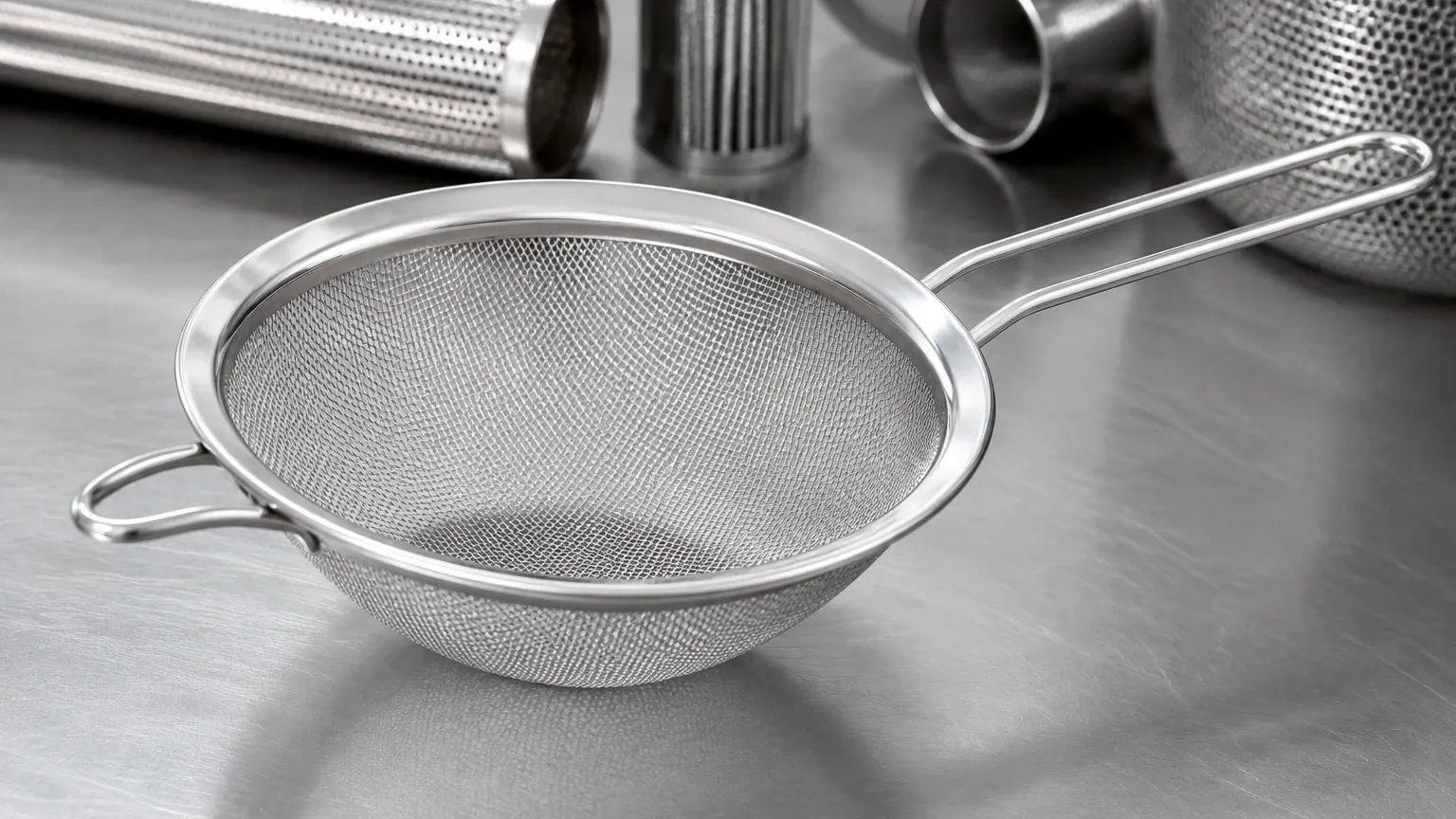
Strainer 7 Inch
In industrial fluid handling, the efficiency of a system often depends on the precision of its protection components. A strainer 7 inch assembly, whether referring to the basket diameter, the housing height, or a specific custom flange-to-flange dimension, serves as a critical line of defense for downstream equipment such as pumps, valves, and heat exchangers. Unlike standard off-the-shelf components, industrial-grade strainers in these specific dimensions often require a deep understanding of material science, fluid dynamics, and mechanical engineering to ensure long-term reliability.
As a specialized manufacturer of stainless steel filtration solutions, Kaifil focuses on providing high-performance Strainers & Baskets that meet the rigorous demands of chemical processing, food production, and hydraulic systems. When selecting a 7-inch strainer component, engineers must evaluate more than just the physical size; they must consider the interplay between flow rate, pressure drop, and the specific characteristics of the media being filtered.
Technical Specifications and Dimensional Accuracy
The term "strainer 7 inch" can refer to several distinct configurations depending on the piping system's architecture. In many custom industrial applications, this dimension relates to the internal basket diameter or the overall height of a compact strainer housing. Precise dimensional accuracy is paramount because even a millimeter of deviation can lead to bypass—where unfiltered fluid escapes around the edges of the basket—or mechanical stress on the housing seals.
Material Selection: SS304 vs. SS316L
Material integrity is the foundation of any industrial strainer. For most general-purpose applications, Grade 304 stainless steel provides excellent strength and basic corrosion resistance. However, in environments involving high chloride concentrations, acidic chemicals, or pharmaceutical-grade hygiene requirements, Grade 316L is the industry standard. The addition of molybdenum in 316L enhances its resistance to pitting and crevice corrosion, which is essential for a strainer 7 inch component that may be submerged in aggressive fluids for years.
Filtration Media: Perforated Metal vs. Wire Mesh
The choice of filtration media within the 7-inch structure determines the particle retention capability:
1. Perforated Plate: Typically used for coarse filtration (straining). Hole sizes usually range from 1/32" to 1/2". This is the preferred choice for removing large debris like scale, welding slag, or stones.
2. Wire Mesh Lining: For finer filtration requirements, a stainless steel wire mesh is sintered or spot-welded to the interior of the perforated basket. This allows for filtration levels down to 5 microns while maintaining the structural rigidity provided by the perforated plate.
Engineering Considerations for Flow and Pressure
One of the most common mistakes in specifying a strainer 7 inch component is failing to account for the "Clean Pressure Drop" (ΔP). Every filter element introduces resistance to the flow. Engineers must calculate the Effective Filtration Area (EFA) to ensure that the system does not experience excessive energy loss or cavitation at the pump inlet.
The Open Area Ratio
A critical metric for Strainers & Baskets is the ratio of the open area of the basket to the internal cross-sectional area of the inlet pipe. A high-quality 7-inch basket should ideally offer a ratio of at least 6:1. This ensures that even as the basket begins to collect debris, the pressure drop remains within acceptable limits, extending the time between cleaning cycles.
Viscosity and Flow Rate
The behavior of the fluid significantly impacts the performance of a strainer 7 inch unit. High-viscosity fluids, such as heavy oils or resins, require larger mesh openings or increased surface area to prevent the strainer from becoming a bottleneck. Conversely, high-velocity water systems require reinforced baskets to withstand the mechanical force of the fluid hitting the mesh surface.
Structural Integrity and Customization
In high-pressure applications, the physical stress on a strainer 7 inch basket can be immense. If the basket is not properly reinforced, the differential pressure caused by a clogged screen can lead to "basket collapse." This not only allows contaminants to pass through but can also send metal fragments from the failed basket into downstream equipment, causing catastrophic damage.
Reinforcement Techniques
Kaifil employs several engineering techniques to prevent structural failure:
* Heavy-Duty Cages: Using thicker gauge perforated metal as a support structure for fine mesh.
* Banding: Adding solid metal rings at the top and bottom of the basket to ensure a tight seal and prevent warping.
* Handle Integration: Ergonomically designed handles that also serve as structural braces, ensuring the basket remains seated correctly within the housing during high-flow surges.
Custom OEM Solutions
Many legacy systems or specialized machinery require a strainer 7 inch component that does not conform to standard ANSI or DIN sizes. Customization options include:
* Non-standard Flanges: Matching existing bolt patterns in older plants.
* Specialty Coatings: Applying PTFE or other fluoropolymer coatings for extreme chemical resistance.
* Magnetic Inserts: Adding magnetic rods to the center of the basket to capture fine ferrous particles that might otherwise pass through the mesh.
Application-Specific Requirements
The design of a strainer 7 inch assembly varies significantly across different industries. Understanding these nuances is vital for selecting the right configuration.
Food and Beverage Industry
In food processing, the primary concern is hygiene and "clean-in-place" (CIP) capability. A strainer 7 inch used in this sector must feature smooth, crevice-free welds (often polished to Ra < 0.8 µm) to prevent bacterial growth. The gaskets must be FDA-compliant, typically using materials like EPDM or Silicone.
Chemical and Petrochemical
In these sectors, the focus shifts to chemical compatibility and pressure ratings. Strainers must often meet ASME Section VIII standards for pressure vessels. The 7-inch components used here are frequently part of a duplex strainer system, allowing one side to be cleaned while the other remains in operation, ensuring zero downtime.
Hydraulic and Lube Oil Systems
For hydraulic applications, the strainer 7 inch is often used as a suction strainer. Its role is to protect the pump from large contaminants. These units must be designed with low-pressure drop characteristics to prevent pump cavitation, which can lead to rapid mechanical wear.
Maintenance and Total Cost of Ownership (TCO)
While the initial purchase price of a strainer 7 inch is an important factor, the Total Cost of Ownership is heavily influenced by maintenance requirements and durability. A cheaply made strainer may save costs upfront but lead to frequent replacements and costly system downtime.
Ease of Maintenance
The design of the Strainers & Baskets should allow for quick removal and cleaning. Features such as swing-bolt covers or quick-release clamps significantly reduce the time required for servicing. Furthermore, the use of high-grade stainless steel ensures that the basket can be cleaned repeatedly using ultrasonic baths or high-pressure washing without degrading the mesh.
Monitoring Performance
To optimize the replacement and cleaning cycle of a strainer 7 inch, engineers should install differential pressure gauges across the strainer housing. By monitoring the increase in ΔP, maintenance teams can clean the basket exactly when needed—preventing both unnecessary labor and the risk of bypass or collapse due to over-clogging.
Critical Information for Procurement
Before finalizing a purchase for a strainer 7 inch, purchasing teams and engineers should confirm the following technical data with the manufacturer:
1. Micron Rating vs. Mesh Count: Ensure the filtration level is appropriate for the most sensitive downstream component.
2. Maximum Operating Pressure and Temperature: Verify that the housing and the basket can withstand the peak conditions of the process.
3. Seal Compatibility: Confirm that the O-ring or gasket material is compatible with the process fluid to prevent leaks.
4. Flow Direction: Clarify whether the application requires an "outside-to-inside" or "inside-to-outside" flow pattern, as this dictates the basket's structural design.
Conclusion
The selection of a strainer 7 inch is a technical decision that impacts the safety and efficiency of an entire industrial process. By focusing on material quality, structural reinforcement, and precise filtration area calculations, engineers can ensure their systems remain protected against debris and contaminants. Kaifil’s expertise in custom stainless steel fabrication allows for the development of filtration solutions that go beyond standard specifications, providing the durability and precision required for demanding industrial environments.
For those seeking reliable, high-performance Strainers & Baskets, focusing on the engineering details—from the grade of stainless steel to the specific weave of the mesh—is the key to achieving optimal filtration performance and long-term cost savings.
