


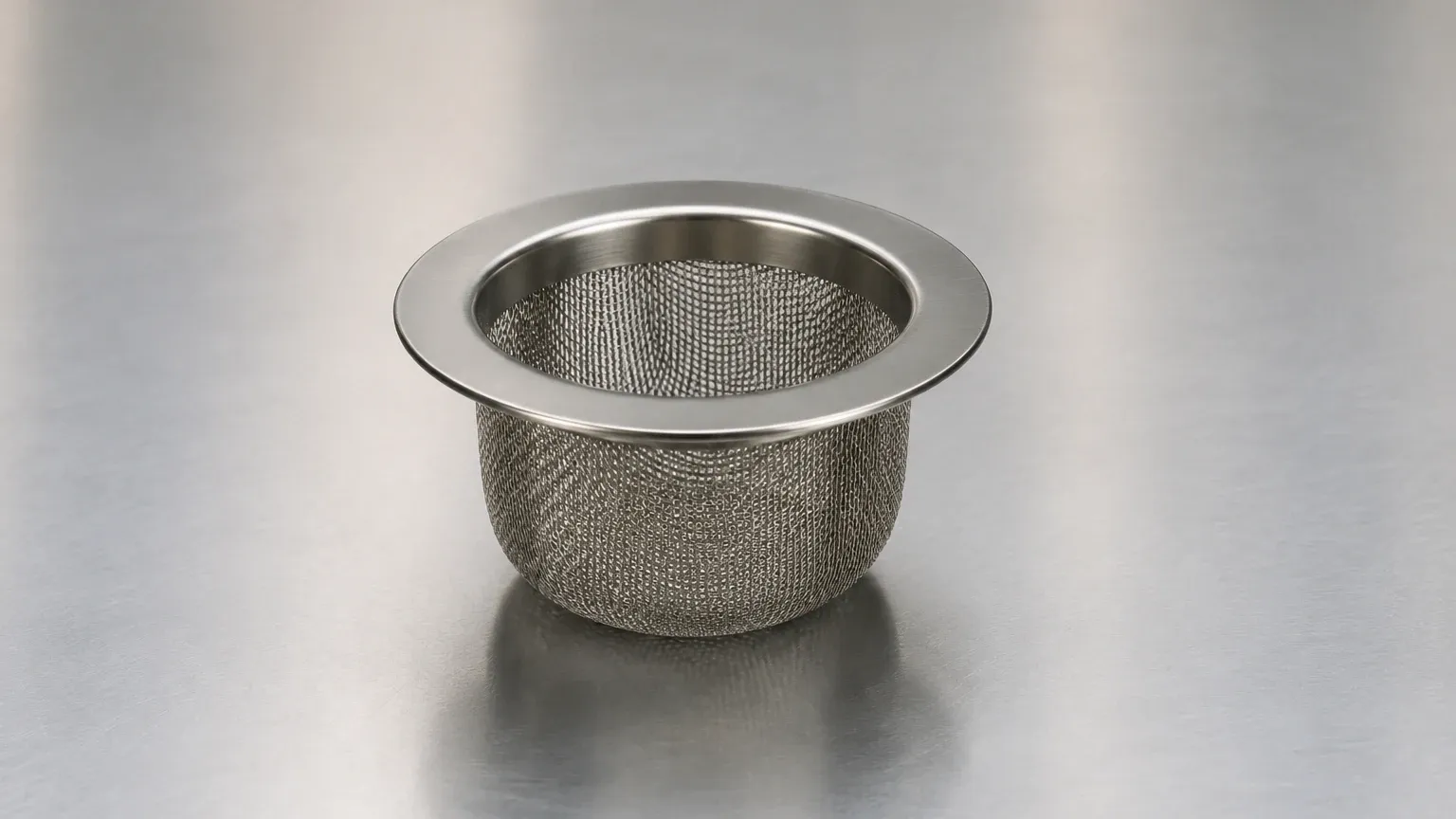
Strainer 8cm
In industrial fluid handling and processing, the precision of filtration components directly impacts the efficiency of downstream equipment and the purity of the final product. A strainer 8cm (80mm) component, while seemingly a standard size, represents a critical intersection of mechanical design and material science. Whether utilized as a primary basket in a small-scale chemical line or as a secondary protective insert in a larger hydraulic system, the 80mm diameter specification is a common requirement for engineers seeking to balance flow rate with effective particulate capture.
As a professional manufacturer, Kaifil specializes in the production of high-performance Strainers & Baskets designed to meet the rigorous demands of industrial environments. Understanding the technical nuances of these components—from material selection to structural reinforcement—is essential for procurement teams and maintenance engineers tasked with optimizing system uptime.
Technical Specifications of the 8cm Strainer
When specifying a strainer 8cm for industrial use, the "8cm" dimension typically refers to the outer diameter (OD) of the basket or the nominal size of the housing it is intended to fit. However, in technical procurement, several other dimensions and specifications must be confirmed to ensure a proper fit and functional performance.
Material Selection and Chemical Compatibility
Industrial strainers are subjected to various stresses, including high pressure, corrosive fluids, and extreme temperatures. Kaifil utilizes high-grade stainless steel to ensure longevity and reliability:
* Stainless Steel 304: The standard choice for general industrial applications, offering excellent corrosion resistance and durability in water treatment and food processing environments.
* Stainless Steel 316L: Preferred for more aggressive environments, such as chemical processing or marine applications, due to its superior resistance to pitting and chloride-induced corrosion.
* Specialty Alloys: For highly specialized applications involving extreme acids or high-temperature gases, other alloys may be utilized to prevent premature failure of the mesh or structural frame.
Mesh and Perforation Types
The filtration efficiency of a strainer 8cm is determined by the media used. Engineers must choose between woven wire mesh and perforated metal based on the size of the particles to be removed:
1. Woven Wire Mesh: Ideal for fine filtration. Mesh counts can range from coarse (20 mesh) to ultra-fine (up to 500 mesh or higher), depending on the micron rating required. Kaifil provides precision-woven mesh that maintains consistent aperture sizes even under pressure.
2. Perforated Metal: Used for coarser straining or as a support cage for finer mesh. The hole pattern (staggered or straight) and the percentage of open area are critical factors in determining the pressure drop across the strainer.
Engineering Considerations for Strainers & Baskets
Selecting the right strainer 8cm involves more than just matching a diameter. Engineering teams must evaluate the total performance profile of the component within the context of the entire fluid system.
Flow Rate and Pressure Drop (Delta P)
One of the most critical metrics in filtration is the pressure drop. A strainer that is too restrictive will cause a significant drop in pressure, potentially damaging pumps or reducing the efficiency of the process. The "open area ratio" of the strainer 8cm—the ratio of the total area of the holes to the area of the pipe inlet—should ideally be at least 6:1 for permanent installations to minimize cleaning frequency and ensure smooth flow.
Structural Integrity and Reinforcement
In high-viscosity or high-pressure applications, a simple mesh basket may collapse or deform. To prevent this, industrial Strainers & Baskets are often designed with reinforced rims, longitudinal support bars, or a perforated metal outer shroud. For an 80mm basket, the weld quality (typically TIG or spot welding) is paramount to ensure that the mesh remains securely attached to the frame under turbulent flow conditions.
Customization of the 8cm Specification
While 8cm is a standard diameter, the length, flange type, and handle configuration can vary significantly. Kaifil’s OEM capabilities allow for the customization of:
* Length/Depth: Adjusting the basket depth to increase the surface area and dirt-holding capacity.
* Handle Designs: Including bail handles, slant handles, or threaded pull-tabs for easy removal during maintenance.
* Sealing Surfaces: Machined flanges or O-ring grooves to ensure a bypass-free fit within the housing.
Applications of 80mm Filtration Components
The versatility of the strainer 8cm makes it a staple in various sectors. Its size is particularly well-suited for localized filtration or "point-of-use" protection.
Chemical and Petrochemical Processing
In chemical lines, 80mm strainers are frequently used to protect sensitive instrumentation, such as flow meters and control valves, from scale or debris. The use of SS316L ensures that the strainer does not leach contaminants into the process stream or degrade when exposed to volatile organic compounds (VOCs).
Food and Beverage Industry
For food-grade applications, the strainer 8cm must adhere to strict hygienic standards. This includes smooth surface finishes (often electropolished) and the absence of crevices where bacteria could proliferate. These baskets are used to strain pulp from juices, seeds from sauces, or large particulates from dairy processing lines.
Hydraulic and Lube Oil Systems
In hydraulic power units, an 80mm strainer is often placed on the suction side of the pump or within the reservoir to capture large contaminants that could cause catastrophic pump failure. The durability of the stainless steel mesh is vital here, as it must withstand the suction forces without migrating or tearing.
Maintenance and Operational Longevity
The total cost of ownership for industrial filtration is heavily influenced by the ease of maintenance. A well-designed strainer 8cm should be simple to clean and robust enough to withstand repeated handling.
Cleaning Protocols
Depending on the application, strainers can be cleaned via:
* Backwashing: Reversing the flow to dislodge particles from the mesh.
* Ultrasonic Cleaning: Using high-frequency sound waves in a solvent bath to remove fine particulates trapped deep within the weave of the mesh.
* Manual Scrubbing: Using soft brushes and compatible cleaning agents for coarser baskets.
Indicators for Replacement
While stainless steel strainers are designed for long-term use, they are not indestructible. Engineers should inspect the strainer 8cm regularly for:
* Mesh Blinding: Permanent clogging that cannot be removed by standard cleaning.
* Mechanical Fatigue: Cracks in the welds or deformation of the support structure.
* Erosion: Thinning of the wire mesh due to high-velocity abrasive particles.
Procurement Checklist: What to Confirm Before Ordering
When contacting a manufacturer like Kaifil for a strainer 8cm, providing detailed technical data will ensure the component performs as expected. Purchasing teams should have the following information ready:
1. Exact Dimensions: Confirm the OD, ID, and total height. Specify if the 8cm refers to the basket body or the flange diameter.
2. Micron Rating or Mesh Count: Define the size of the smallest particle that must be captured.
3. Operating Environment: Provide the temperature range, maximum operating pressure, and the chemical composition of the fluid.
4. Flow Direction: Specify if the flow is from "inside to out" or "outside to in," as this dictates where the structural reinforcement should be placed.
5. Quantity and Compliance: Note any required certifications (e.g., FDA compliance for food, or material test reports for traceability).
Conclusion
The strainer 8cm is a fundamental component in maintaining the integrity of industrial fluid systems. By selecting a high-quality, precision-engineered basket, companies can reduce downtime, protect expensive machinery, and ensure consistent product quality. Kaifil’s expertise in manufacturing custom Strainers & Baskets allows for the creation of filtration solutions that are specifically tailored to the unique challenges of each application, providing a reliable barrier against contamination in even the most demanding environments.
For engineers and procurement professionals, focusing on the technical details—material grade, structural reinforcement, and filtration accuracy—is the key to choosing a strainer that delivers long-term value and operational stability. Whether you require a standard 80mm insert or a fully customized filtration basket, working with a manufacturer that understands the complexities of industrial filtration is the first step toward optimized system performance.
