


Strainer Basket Complete
In industrial fluid handling systems, the protection of downstream equipment—such as pumps, valves, heat exchangers, and spray nozzles—is paramount to operational efficiency and longevity. A strainer basket complete assembly serves as the primary line of defense, capturing coarse solids and debris that could otherwise cause mechanical failure or process contamination. For engineers and maintenance professionals, understanding the technical nuances of these components is essential for optimizing system performance and minimizing downtime.
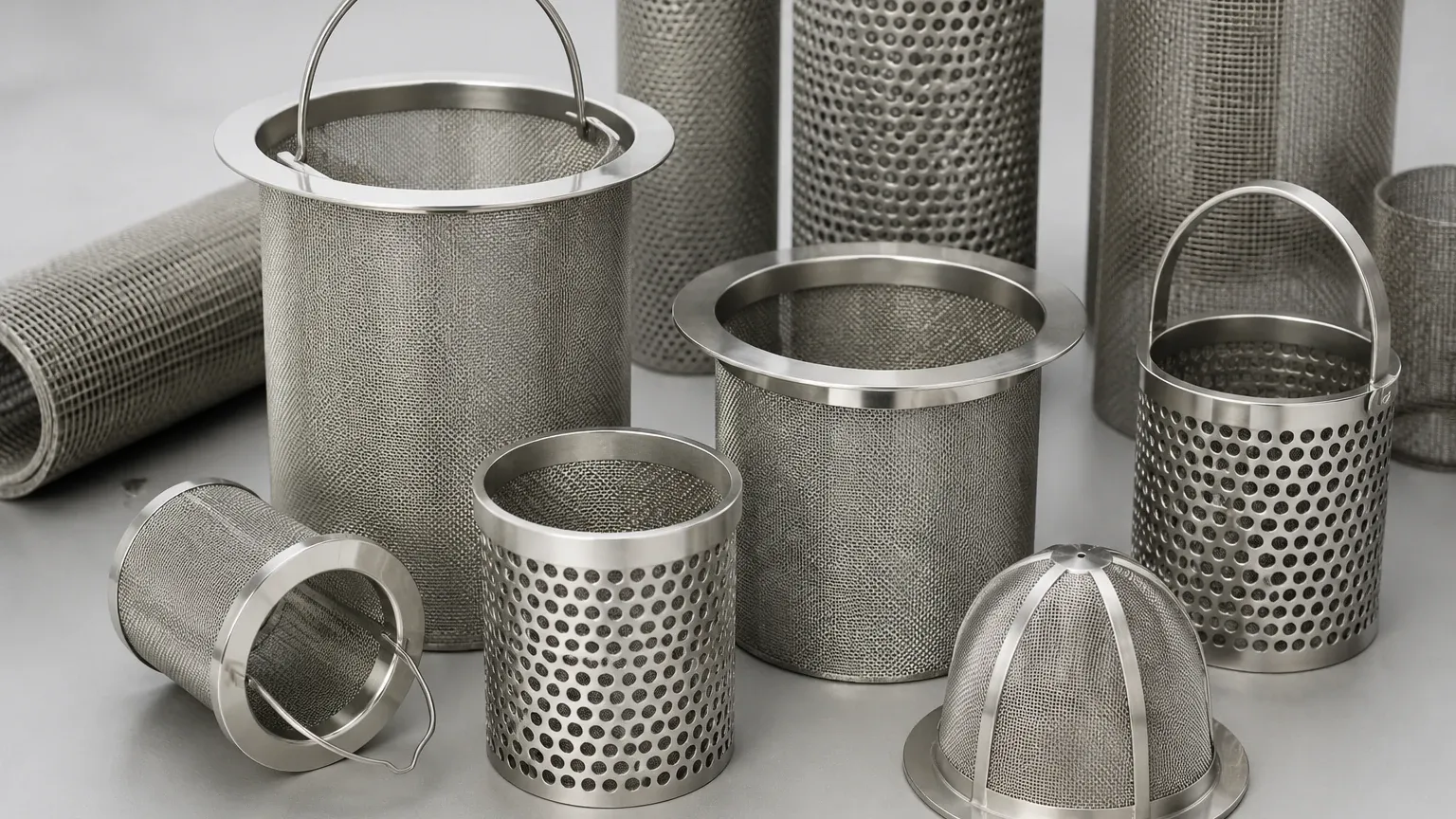
A "complete" strainer basket refers to the fully integrated filtration unit, encompassing the structural perforated metal, the precision wire mesh lining (if required), the reinforcement hardware, and the seating mechanisms. Selecting the right configuration involves a detailed analysis of fluid dynamics, material compatibility, and mechanical stresses.
The Anatomy of an Industrial Strainer Basket
To evaluate a strainer basket complete unit, one must look beyond the basic shape. These components are engineered to withstand significant differential pressures while maintaining a high flow rate. The construction typically consists of several key elements:
1. The Perforated Support Body
The outer shell of the basket is usually constructed from perforated stainless steel. This provides the mechanical strength necessary to resist collapsing under pressure. The hole size and pattern (staggered or straight) are calculated to provide maximum structural integrity while maintaining a high percentage of open area.
2. The Filter Media (Mesh Lining)
For applications requiring finer filtration than what standard perforations can provide, a stainless steel wire mesh is welded to the interior or exterior of the perforated body. This mesh determines the final micron rating of the strainer basket complete assembly. In high-pressure environments, multi-layered sintered mesh may be used to prevent media migration and ensure consistent pore size.
3. The Seating Ring and Flange
The top of the basket features a machined or heavy-duty stamped ring. This component ensures a tight seal against the strainer housing, preventing fluid bypass. A poor fit at the seating surface can allow contaminants to circumvent the filter media, rendering the entire system ineffective.
4. Handling and Extraction Features
Industrial baskets are often heavy when filled with debris. A complete assembly includes integrated handles, such as bail handles, lifting lugs, or slanted bars. These features are designed for ergonomic removal during maintenance cycles, even in tight piping configurations.
Material Selection and Corrosion Resistance
The longevity of a Strainers & Baskets solution is largely dictated by material science. At Kaifil, we focus on high-grade alloys to meet the demands of diverse industrial sectors.
* 304 Stainless Steel: The standard choice for general-purpose applications, offering excellent durability and resistance to oxidation in water treatment and basic industrial processes.
* 316L Stainless Steel: Essential for chemical processing, pharmaceutical, and food and beverage industries. The addition of molybdenum provides superior resistance to pitting and crevice corrosion, particularly in chloride-rich environments.
* Specialty Alloys: For highly aggressive media, materials like Monel, Hastelloy, or Duplex stainless steel may be utilized to ensure the strainer basket complete unit does not degrade prematurely.
Beyond the base metal, surface finishes such as electropolishing or passivation are often applied to improve hygienic properties and further enhance corrosion resistance in sensitive applications.
Engineering Considerations: Flow Rate and Pressure Drop
One of the most critical factors in specifying a strainer basket complete assembly is the Clean Pressure Drop (ΔP). Every filter element introduces resistance to the flow. If the resistance is too high, it can lead to cavitation in pumps or reduced throughput for the entire plant.
The Open Area Ratio (OAR)
Engineers must calculate the Open Area Ratio, which is the relationship between the internal cross-sectional area of the inlet pipe and the total open area of the basket's filter media. A high-quality industrial strainer typically aims for an OAR of at least 6:1 or 8:1. A higher ratio allows for longer run times between cleanings because the system can accommodate more debris buildup before the pressure drop becomes critical.
Fluid Viscosity
The viscosity of the fluid significantly impacts the performance of the strainer. Thicker fluids, such as oils or resins, require larger mesh openings or increased surface area to maintain acceptable flow rates. When ordering a strainer basket complete, providing the specific gravity and viscosity of the process fluid is vital for accurate engineering.
Customization and OEM Solutions
While standard sizes exist, many industrial systems require customized filtration components. A strainer basket complete unit can be tailored in several ways to meet specific operational challenges:
* Dimensional Adjustments: Custom heights, diameters, and flange configurations to fit legacy housings or unique piping layouts.
* Reinforcement Ribs: For high-pressure applications where the differential pressure might exceed standard limits, internal or external support ribs can be added to prevent deformation.
* Magnetic Inserts: In metalworking or hydraulic applications, magnetic rods can be integrated into the basket assembly to capture fine ferrous particles that might pass through the mesh.
* Multi-Stage Filtration: Designing baskets with graduated layers (coarse to fine) to distribute the dirt-holding capacity and prevent surface blinding.
Kaifil’s expertise in OEM manufacturing allows for the development of these specialized components, ensuring that the filtration solution is perfectly aligned with the technical requirements of the machinery it protects.
Maintenance and Total Cost of Ownership
The initial purchase price of a strainer basket complete is only one part of the economic equation. The Total Cost of Ownership (TCO) is influenced by the ease of cleaning, the durability of the mesh, and the frequency of replacement.
Cleaning Protocols
Unlike disposable filter cartridges, stainless steel strainer baskets are designed for reuse. Effective cleaning is essential to restore the original flow characteristics. Common methods include:
* Manual Pressure Washing: Effective for coarse debris.
* Ultrasonic Cleaning: Ideal for removing fine particles trapped within the wire mesh layers.
* Chemical Soaking: Used when the debris consists of organic buildup or scale that cannot be removed mechanically.
When to Replace
While durable, a strainer basket complete assembly will eventually show signs of wear. Engineers should inspect for:
* Mesh Blinding: Permanent clogging that cannot be cleaned, leading to a permanent increase in baseline pressure drop.
* Structural Fatigue: Cracks in welds or deformation of the perforated body.
* Bypass Leaks: Wear on the seating ring that prevents a proper seal.
Investing in a high-quality, precision-manufactured basket from the outset reduces the frequency of these failures, leading to lower long-term costs and more stable process conditions.
Selection Checklist for Purchasing Teams
Before finalizing a purchase for a strainer basket complete, procurement and engineering teams should confirm the following technical specifications:
1. Micron or Mesh Rating: What is the smallest particle size that must be removed?
2. Housing Compatibility: Does the basket flange match the seat in the existing strainer body?
3. Operating Environment: What are the maximum temperature and pressure the basket will encounter?
4. Chemical Compatibility: Is the alloy suited for the process fluid, including cleaning agents?
5. Flow Direction: Is the fluid flowing from the inside out (standard) or outside in?
By addressing these factors, facilities can ensure they are implementing a Strainers & Baskets solution that provides reliable protection and optimized flow.
Conclusion
The strainer basket complete is a critical, though often overlooked, component of industrial infrastructure. Its role in protecting expensive machinery and ensuring product purity cannot be overstated. Through careful material selection, precise engineering of flow dynamics, and a focus on structural durability, manufacturers like Kaifil provide the filtration reliability required by modern industry. Whether for a standard water treatment plant or a complex chemical refinery, the right strainer basket is an investment in system uptime and process integrity.
