


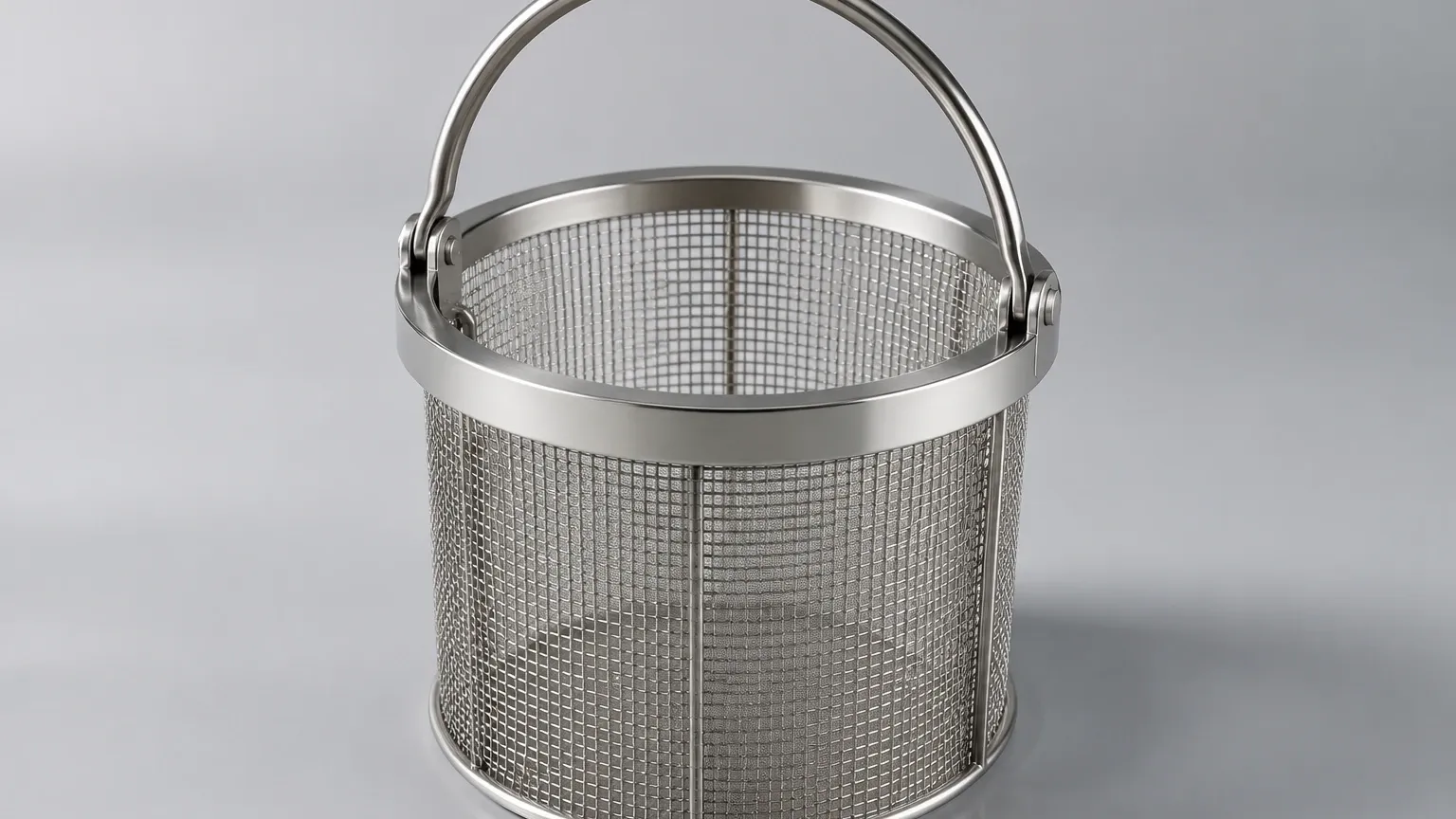
Strainer Basket Handle
In industrial filtration, the efficiency of a system is often measured by its ability to remove contaminants while maintaining flow rates. However, for the engineers and operators responsible for these systems, the mechanical integrity and serviceability of the filter components are equally vital. Among these components, the strainer basket handle serves as a critical interface between the filtration media and the human operator. While often viewed as a simple accessory, the design, material, and attachment method of the handle directly impact maintenance speed, operator safety, and the overall longevity of Strainers & Baskets.
This guide examines the technical specifications of strainer basket handles, their role in industrial applications, and the engineering considerations necessary for selecting the right configuration for demanding environments like chemical processing, food and beverage production, and hydraulic systems.
The Critical Role of Handles in Industrial Filtration Systems
The primary function of a strainer basket is to house the filter media—whether it be perforated metal or fine wire mesh—and capture solid particles from a fluid stream. The strainer basket handle is the primary means by which this basket is installed, seated, and removed from the strainer housing.
Beyond simple transport, the handle often performs a structural role. In many high-pressure systems, the handle is designed to interact with the housing cover. When the cover is closed, it may apply downward pressure on the handle, which in turn ensures the basket is firmly seated against the bottom seal or O-ring. This prevents "bypass," a condition where unfiltered fluid escapes around the edges of the basket rather than passing through the media. If a handle is poorly designed or fabricated, it may fail to provide this necessary tension, leading to contamination of downstream equipment.
Types of Strainer Basket Handle Designs
Industrial applications vary significantly in terms of headspace, fluid viscosity, and the weight of the captured debris. Consequently, several handle designs have evolved to meet these specific needs.
Fixed Bale Handles
A fixed bale handle is a rigid, semi-circular bar welded to the top ring of the basket. This is the most common design for top-entry strainers where there is ample room above the housing. Its simplicity makes it highly durable and easy to clean, which is essential in food-grade or pharmaceutical applications where bacteria growth in crevices must be avoided.
Folding or Collapsible Handles
In systems with low-profile housings or limited overhead clearance, a folding strainer basket handle is often required. These handles are hinged, allowing them to lay flat against the basket rim when the housing cover is closed. While they save space, they require precise engineering to ensure the hinges do not become points of mechanical failure or trap contaminants.
Swing Handles
Swing handles are similar to folding handles but often feature a more robust pivot point. They are frequently used in larger, heavier baskets where an operator might need to use a hook or mechanical hoist to lift the basket out of the housing. The ability to swing the handle out of the way also facilitates easier access for manual cleaning of the basket interior.
Dual Handles and Specialized Grips
For exceptionally large Strainers & Baskets, dual handles may be positioned on opposite sides of the rim. This allows for a two-person lift or more stable attachment to lifting machinery. In some specialized cases, the handle may include an ergonomic grip or a T-bar configuration to assist with manual extraction when high-viscosity fluids create a suction effect during removal.
Engineering Considerations for Handle Durability and Performance
When specifying a strainer basket handle, engineers must look beyond the shape and consider the mechanical stresses the component will endure during its lifecycle.
Load-Bearing Capacity
A common mistake in filter selection is calculating the handle strength based only on the dry weight of the basket. In practice, the handle must support the weight of the basket plus the "cake load"—the accumulated solids trapped by the filter. In heavy industrial processes, a full basket can weigh several times its original weight. The handle and its attachment points must be engineered with a significant safety factor to prevent snapping or bending during extraction.
Welding and Attachment Methods
The method used to attach the handle to the basket rim is a frequent point of failure. At Kaifil, advanced manufacturing techniques such as TIG (Tungsten Inert Gas) welding are typically employed. TIG welding provides a stronger, cleaner joint compared to spot welding, which is crucial for maintaining structural integrity under the repetitive stress of removal cycles. Furthermore, the weld must be smooth and free of pits or burrs to comply with sanitary standards and to prevent injury to operators.
Clearance and Seating
The height of the handle must be precisely calibrated to the internal dimensions of the strainer housing. If the handle is too tall, the housing cover will not close properly or may cause the handle to deform. If it is too short, it may not provide enough pressure to hold the basket in place, or it may be difficult for an operator to reach, especially when submerged in dark or opaque fluids.
Material Selection and Corrosion Resistance
Because the strainer basket handle is constantly exposed to the process fluid, its material composition must match or exceed the specifications of the basket itself. Stainless steel is the industry standard due to its strength and resistance to oxidation.
* 304 Stainless Steel: Suitable for general industrial use, water treatment, and less aggressive chemical environments. It offers excellent structural strength and cost-effectiveness.
* 316L Stainless Steel: Required for applications involving high chloride concentrations, acids, or pharmaceutical-grade processes. The "L" (low carbon) designation is particularly important for the handle's weld points, as it reduces the risk of sensitization and intergranular corrosion at the weld site.
* Exotic Alloys: In highly corrosive chemical processing, handles may be fabricated from Monel, Hastelloy, or Titanium to match the basket's specialized construction.
Operational Safety and Ergonomics in Basket Maintenance
Maintenance cycles are a necessary part of any filtration process. The design of the strainer basket handle plays a significant role in reducing downtime and ensuring operator safety.
1. Ease of Access: In deep housings, a handle that is too low can lead to back strain or require the use of specialized tools. Extended handles or "reach-in" designs can mitigate these risks.
2. Glove Compatibility: Industrial operators often wear heavy protective gloves. The handle must provide enough clearance (the space between the handle and the basket rim) to allow for a secure grip even with bulky safety gear.
3. Thermal Considerations: In high-temperature applications, the handle will reach the same temperature as the fluid. While operators should use PPE, handle designs that minimize surface contact or allow for quick attachment to a lifting tool can reduce the risk of thermal injury.
Customization and Integration with Strainer Housings
One of the primary advantages of working with a specialized manufacturer like Kaifil is the ability to customize the Strainers & Baskets to fit existing infrastructure. Often, a standard off-the-shelf basket might fit the housing diameter but have an incompatible handle height or style.
Customization options for handles include:
* Adjustable Tension Handles: Some handles feature a spring-loaded mechanism to ensure a constant downward force on the seal, regardless of slight variations in housing dimensions.
* Locking Handles: In high-vibration environments, handles can be designed to lock into the rim to prevent rattling or displacement.
* Identification Tags: Handles can be laser-engraved or tagged with micron ratings or part numbers, ensuring that the correct basket is reinstalled after cleaning.
Evaluating Total Cost of Ownership and Replacement Cycles
When evaluating the cost of a strainer basket handle and the associated basket, it is important to consider the total cost of ownership (TCO). A cheaper basket with a poorly attached handle may save on initial procurement but can lead to significantly higher costs if the handle fails.
Handle failure often results in:
* Extended Downtime: If a handle breaks off during extraction, retrieving the basket from the housing becomes a complex and time-consuming task.
* Safety Incidents: A handle snapping under load poses a direct physical risk to the operator.
* Downstream Damage: If a handle failure leads to basket displacement, the resulting bypass can damage expensive pumps, nozzles, or heat exchangers.
Regular inspection of the handle's weld points and structural shape should be part of standard maintenance protocols. If signs of stress cracking or severe corrosion are found on the handle, it is often an indicator that the entire basket is nearing the end of its service life or that the operating conditions (such as flow surges) are exceeding the design specifications.
Conclusion
The strainer basket handle is a fundamental component that bridges the gap between filtration performance and operational practicality. By selecting a handle design that accounts for mechanical load, material compatibility, and ergonomic requirements, facilities can ensure safer, faster maintenance and more reliable filtration. Whether you are managing a high-pressure hydraulic system or a sanitary food processing line, the details of handle construction are essential to the long-term success of your Strainers & Baskets. For engineers looking to optimize their filtration processes, confirming the handle specifications—including material grade and weld quality—is a critical step before procurement.
