


Strainer Basket Noodles
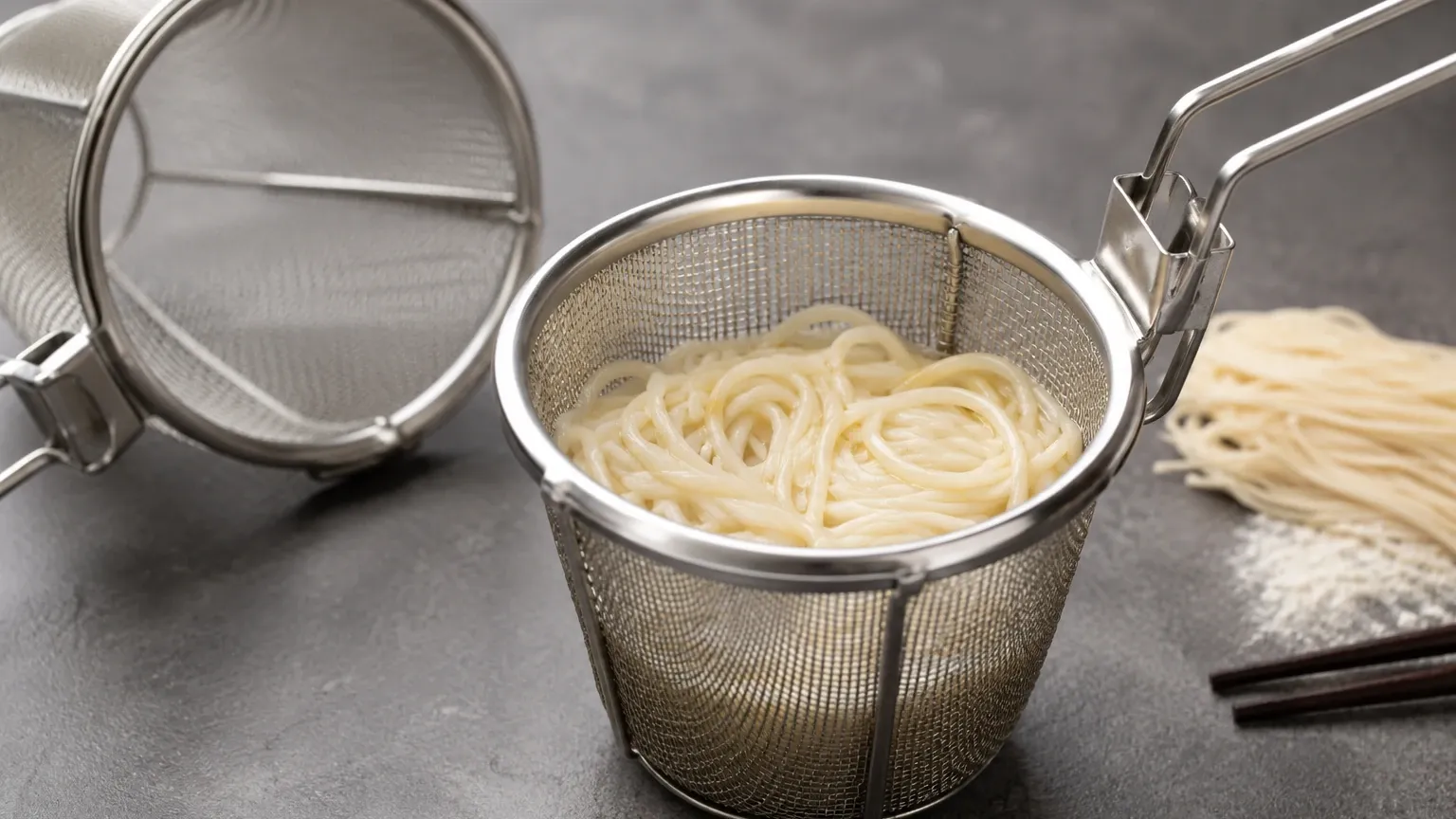
In the industrial food processing sector, the efficiency of production lines for pasta and noodles depends heavily on the precision and durability of filtration components. While the term "strainer basket noodles" might evoke images of commercial kitchen tools, in a B2B and industrial manufacturing context, it refers to high-capacity, stainless steel filtration baskets engineered to handle the rigorous demands of large-scale blanching, boiling, and cooling cycles. For engineers and procurement specialists, selecting the right industrial Strainers & Baskets is a critical decision that impacts product quality, equipment longevity, and compliance with stringent food safety regulations.
Industrial noodle production involves high-temperature environments, corrosive saline solutions, and the need for rapid drainage. Standard off-the-shelf components often fail to meet the mechanical stresses of automated lines. This guide explores the technical engineering considerations, material requirements, and customization options essential for optimizing strainer basket performance in noodle manufacturing.
The Role of Industrial Strainers and Baskets in Noodle Processing
Noodle manufacturing is a multi-stage process that requires precise control over moisture and temperature. Strainer baskets serve as the primary interface between the product and the processing medium (water, steam, or oil). Their primary functions include:
1. Blanching and Boiling: Baskets must allow for maximum flow of boiling water to ensure even heat distribution across the noodles, preventing clumping and ensuring consistent texture.
2. Rapid Drainage: Once the cooking cycle is complete, the basket must facilitate immediate and complete drainage of the liquid to stop the cooking process and prepare the product for the next stage.
3. Cooling and Rinsing: In many automated lines, the same basket or a subsequent one is used for cold-water quenching. The design must accommodate rapid thermal shifts without compromising structural integrity.
4. Debris Filtration: Beyond holding the product, these baskets act as filters to remove broken noodle fragments and starch buildup from the recirculating water systems, protecting pumps and heat exchangers downstream.
Engineering Specifications for Noodle Strainer Baskets
When specifying a strainer basket for noodle production, engineers must look beyond simple dimensions. The performance of a strainer basket for noodles is determined by its material composition, mesh configuration, and structural reinforcement.
Material Selection: 304 vs. 316L Stainless Steel
Stainless steel is the industry standard due to its corrosion resistance and ease of sanitation. However, the specific grade is determined by the processing environment:
* Grade 304 Stainless Steel: Suitable for most standard noodle processing applications involving fresh water and moderate temperatures. It offers excellent durability and cost-effectiveness.
* Grade 316L Stainless Steel: Recommended for applications involving high salt content (common in certain ramen or pasta formulations) or aggressive cleaning chemicals. The addition of molybdenum in 316L provides superior resistance to pitting and crevice corrosion, which is essential for maintaining food safety in saline environments.
Mesh and Perforation Configurations
The "filtration accuracy" of a strainer basket for noodles must be balanced against the required flow rate. If the mesh is too fine, drainage is impeded; if it is too coarse, product loss occurs.
* Wire Mesh Liners: Fine stainless steel wire mesh is often used as a liner within a perforated basket to capture small fragments while maintaining high open-area ratios. This is particularly important for thin noodles like vermicelli.
* Perforated Metal: For thicker pasta shapes or heavy-duty applications, perforated metal baskets provide the necessary mechanical strength. The hole pattern (staggered vs. straight) and the percentage of open area are calculated to optimize drainage speed.
* Wedge Wire: In some high-end automated systems, wedge wire (V-wire) is used for its non-clogging properties and exceptional structural rigidity, making it ideal for continuous processing lines.
Structural Integrity and Customization
Industrial Strainers & Baskets are subjected to significant mechanical loads, especially in automated centrifugal or lift-and-dump systems. Customization is often necessary to ensure the component integrates seamlessly with existing OEM machinery.
Reinforcement and Support Structures
To prevent deformation under the weight of wet noodles, baskets are often engineered with:
* Reinforcement Rings: Horizontal or vertical bands of thicker stainless steel that prevent the basket from collapsing or expanding under pressure.
* Heavy-Duty Handles and Lifting Lugs: For manual or robotic handling, these points must be welded using TIG or MIG processes to ensure they can withstand thousands of cycles without fatigue.
* Protective Shrouds: In some designs, an outer perforated layer protects a delicate inner mesh from mechanical damage during the cleaning or loading process.
Custom Dimensions and Fittings
OEM equipment often requires specific tolerances. Custom manufacturers like Kaifil can produce baskets with specific flange types, mounting brackets, or unique shapes (conical, square, or cylindrical) to fit specialized blanching tanks. Precision in these dimensions ensures that there are no gaps where noodles can become trapped, which would lead to waste and potential hygiene issues.
Food Safety and Sanitation Standards
In the B2B food processing environment, compliance is non-negotiable. Strainer baskets must be designed for "Clean-in-Place" (CIP) or easy manual disassembly.
Hygienic Design Principles
* Smooth Surface Finish: Surfaces are often electropolished to achieve a Ra (Roughness Average) value that prevents starch and protein adhesion. This reduces the time required for cleaning and minimizes the risk of bacterial growth.
* Crevice-Free Welding: All joints should be full-penetration welds, ground smooth to eliminate "dead zones" where organic matter can accumulate.
* FDA and 3-A Compliance: Materials and manufacturing processes must align with food contact regulations to ensure that no contaminants are leached into the product during high-temperature processing.
Performance Evaluation and Total Cost of Ownership
When purchasing industrial filtration components, the initial price is only one factor. Engineers must consider the total cost of ownership (TCO), which includes maintenance, replacement frequency, and the impact on production uptime.
Durability and Replacement Cycles
A high-quality stainless steel strainer basket for noodles should withstand the rigors of 24/7 production for several years. Cheaply made baskets often suffer from broken welds or mesh tearing within months, leading to costly downtime. Investing in robustly engineered Strainers & Baskets reduces the frequency of replacements and ensures consistent product quality.
Optimizing Throughput
The design of the basket directly affects the cycle time of the noodle production line. A basket with an optimized open area allows for faster drainage, which can shave seconds off every batch. In high-volume facilities, these small efficiencies aggregate into significant increases in daily throughput.
Selection Guide: Questions for Procurement Teams
Before placing an order for custom strainer baskets, procurement and engineering teams should confirm the following technical details with their manufacturer:
1. What is the maximum operating temperature? This determines the necessary gauge of the steel and the type of welding required.
2. What is the chemical composition of the processing liquid? If the water has high chloride levels, 316L stainless steel is mandatory.
3. What is the smallest noodle diameter in the product range? This dictates the mesh size or perforation diameter to prevent product loss.
4. How is the basket handled? Is it lifted manually, by a hoist, or by an automated robotic arm? This influences the design of the lifting points.
5. Are there specific sanitation requirements? Does the facility require 3-A certification or specific surface finishes like electropolishing?
Conclusion
Selecting the appropriate strainer basket for noodle processing is a technical challenge that requires a deep understanding of material science, fluid dynamics, and food safety engineering. By moving away from generic solutions and opting for custom-engineered stainless steel Strainers & Baskets, manufacturers can significantly improve their production efficiency and ensure long-term reliability.
As a specialist in custom stainless steel filtration, Kaifil provides the engineering expertise necessary to develop high-performance filtration components tailored to the specific needs of the food and beverage industry. Whether you are looking to replace existing baskets or design components for a new automated production line, focusing on durability, hygiene, and precision filtration will yield the best results for your operation.
