


Strainer Basket Tub
In industrial fluid handling and process engineering, the term "strainer basket tub" refers to the critical containment housing and the associated basket-style element used to remove unwanted solids from liquid streams. While often used colloquially to describe the deep-seated chamber of a basket strainer, this component is a fundamental piece of hardware in protecting downstream equipment such as pumps, valves, and heat exchangers. For engineers and procurement teams, selecting the correct configuration of Strainers & Baskets is not merely a matter of sizing a pipe connection; it requires a deep understanding of material compatibility, fluid dynamics, and the specific mechanical demands of the application environment.
Industrial filtration systems rely on the structural integrity of the strainer basket tub to maintain system pressure while providing a high-capacity area for debris collection. Unlike Y-strainers, which are typically used for smaller amounts of particulates, the basket-style design offers a larger dirt-holding capacity and a lower pressure drop, making it the preferred choice for high-flow industrial processes.
Understanding the Role of the Strainer Basket Tub in Industrial Filtration
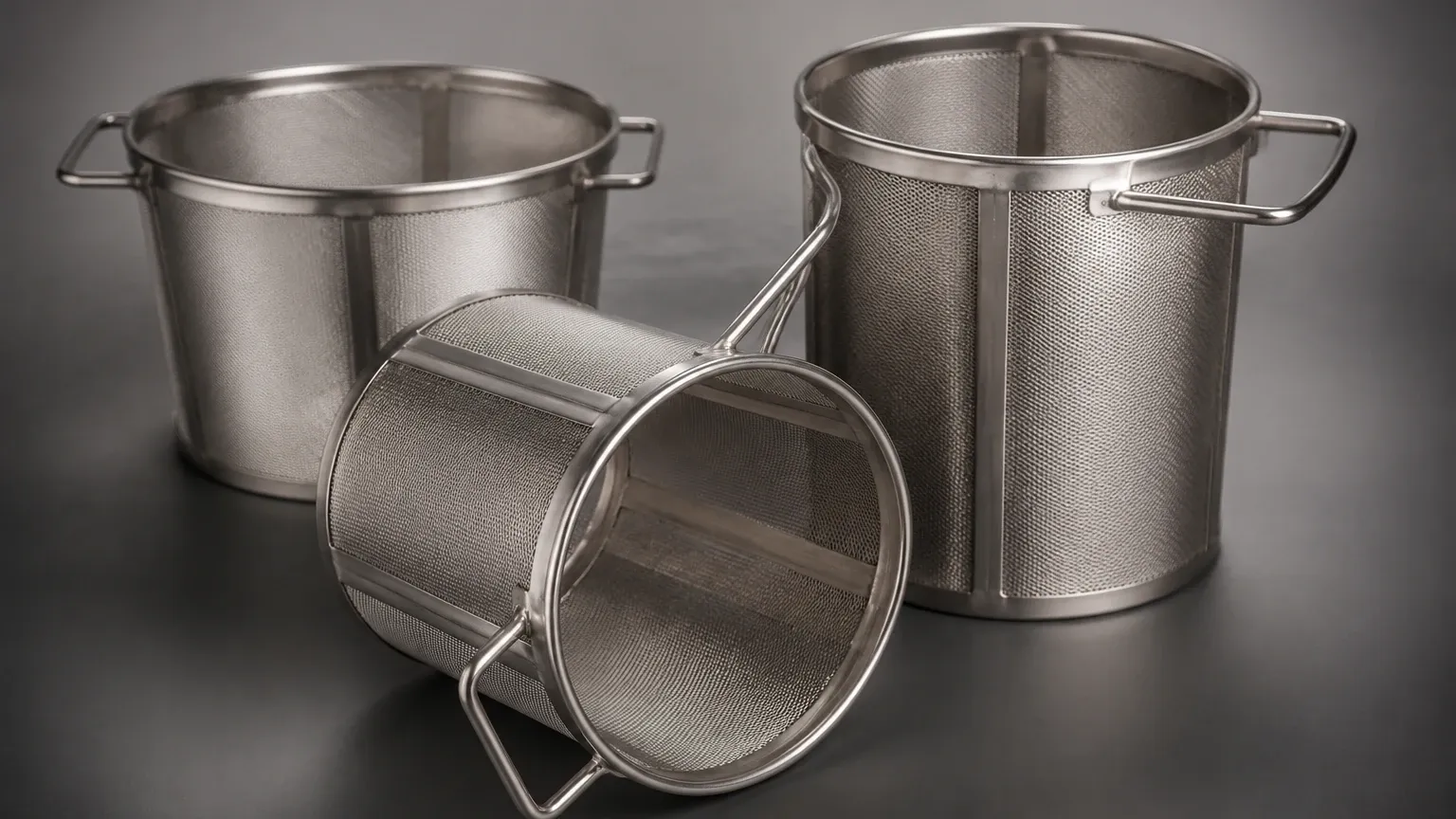
The primary function of a strainer basket tub is to act as a pressure vessel that houses a removable filtration element. In B2B industrial contexts, this "tub" or housing must be engineered to withstand the maximum operating pressure of the system while facilitating easy access for cleaning and maintenance. The design typically features a top-entry or side-entry port, allowing the fluid to enter the basket element, pass through the mesh or perforated metal, and exit through the outlet port, leaving contaminants trapped inside the basket.
From a technical perspective, the volume of the strainer basket tub is a critical variable. A larger housing volume allows for a larger basket surface area, which directly correlates to the Effective Filtration Area (EFA). A higher EFA reduces the frequency of cleaning cycles and minimizes the initial pressure drop across the unit. For industries dealing with high-viscosity fluids or high solids loading, such as chemical processing or wastewater treatment, the dimensions of the tub must be carefully calculated to ensure the system does not reach terminal pressure drop too quickly.
Material Engineering: Stainless Steel vs. Alternative Alloys
Material selection is the most significant factor in determining the service life and reliability of a strainer basket tub. Kaifil specializes in stainless steel solutions because of the material's inherent resistance to corrosion, temperature fluctuations, and mechanical wear.
304 Stainless Steel
Grade 304 is the standard choice for general industrial applications. It provides excellent strength and good corrosion resistance for water treatment, food and beverage, and light chemical applications. It is a cost-effective solution when the fluid is not highly acidic or exposed to high concentrations of chlorides.
316L Stainless Steel
For more demanding environments, such as pharmaceutical manufacturing or marine applications, 316L stainless steel is required. The addition of molybdenum enhances the material's resistance to pitting and crevice corrosion in chloride-rich environments. Furthermore, the "L" (low carbon) designation ensures better weldability and resistance to intergranular corrosion, which is vital for the structural integrity of a welded strainer basket tub.
Specialty Alloys
In extreme cases involving highly aggressive chemicals or cryogenic temperatures, engineers may specify exotic alloys like Monel, Hastelloy, or Duplex stainless steel. These materials are selected when standard stainless steel grades would suffer from rapid degradation, leading to potential system failure and environmental hazards.
Structural Design of Strainers & Baskets
The efficiency of a strainer basket tub is largely determined by the design of the internal basket. Industrial baskets are generally categorized into two types: perforated metal and wire mesh.
1. Perforated Baskets: These serve as the primary structural support or as a coarse filter. They are manufactured by punching holes into a metal sheet, with hole sizes typically ranging from 1/32" to 1/2". These are ideal for removing large debris like scale, stones, or welding slag.
2. Mesh-Lined Baskets: For finer filtration requirements, a stainless steel wire mesh is sintered or spot-welded to the interior of a perforated support basket. This allows for filtration down to the micron level (as fine as 5 microns) while maintaining the mechanical strength needed to withstand the differential pressure caused by the flow of the liquid.
When specifying a strainer basket tub, engineers must also consider the sealing mechanism. A bypass of even 1% can compromise downstream sensitive equipment. High-quality industrial strainers utilize precision-machined seats and high-performance gaskets (such as Viton, EPDM, or PTFE) to ensure that all fluid is forced through the basket element.
Calculating Flow Dynamics and Pressure Differential
A critical aspect of purchasing a strainer basket tub is evaluating the pressure drop ($ΔP$). Every filter introduces a restriction to the flow. The total pressure drop is the sum of the drop across the housing (the tub) and the drop across the clean filter element.
As the strainer collects debris, the open area of the mesh decreases, causing the pressure drop to increase. If the $ΔP$ exceeds the structural limit of the basket, the element may collapse, sending both the debris and fragments of the basket into the downstream process. To prevent this, industrial systems often incorporate differential pressure gauges.
Engineers should aim for a "clean" pressure drop of no more than 2 PSI. When the pressure drop reaches 5-10 PSI, the basket should be removed and cleaned. The design of the strainer basket tub should facilitate this process—features like quick-opening covers (swing bolts or clamped lids) are essential for reducing downtime in high-output manufacturing environments.
Customization Parameters for OEM Applications
Off-the-shelf solutions rarely meet the specific needs of complex industrial systems. Customization is often necessary to integrate a strainer basket tub into an existing footprint or to meet unique process requirements. Key customization parameters include:
* Connection Types: Beyond standard ANSI flanges, tubs can be designed with NPT threads, socket weld ends, or hygienic tri-clamp fittings for the food and pharmaceutical sectors.
* Vessel Orientation: Depending on the piping layout, a strainer may require an offset inlet/outlet or a specific floor-to-centerline height.
* Reinforcement: In high-pressure hydraulic systems, the strainer basket may require internal ribbing or heavier gauge perforated plate to prevent deformation under high-velocity slugs of fluid.
* Surface Finishes: For sanitary applications, the internal and external surfaces of the stainless steel tub may require electropolishing or a specific Ra (Roughness Average) value to prevent bacterial growth and facilitate CIP (Clean-In-Place) procedures.
Kaifil’s expertise in OEM manufacturing allows for the development of bespoke filtration components that align with these technical specifications, ensuring that the final product integrates seamlessly into the client's machinery.
Maintenance Protocols and Service Life Extension
The longevity of a strainer basket tub is dependent on regular maintenance and the correct application of cleaning protocols. Because these components are often the first line of defense, they bear the brunt of system contamination.
Cleaning Procedures
In most B2B operations, baskets are cleaned manually. The process involves isolating the strainer, venting the pressure, and removing the basket. For stainless steel mesh, ultrasonic cleaning or high-pressure water jets are effective at removing lodged particles without damaging the wire structure. It is vital to avoid abrasive tools that could scratch the stainless steel surface, as these scratches can become focal points for corrosion.
Inspection Points
During every cleaning cycle, maintenance teams should inspect the following:
* Integrity of the Mesh: Look for broken wires or thinning of the metal.
* Gasket Condition: Check for compression set or chemical degradation.
* The Tub Interior: Ensure there is no buildup of biofilm or corrosive pitting on the housing walls.
Replacement Cycles
While the strainer basket tub (the housing) can last for decades if properly maintained, the internal baskets are considered wear parts. Depending on the abrasiveness of the contaminants and the frequency of cleaning, baskets may need replacement every 12 to 24 months to ensure optimal filtration performance and prevent catastrophic failure.
Selecting the Right Strainer for Specific Industries
The requirements for a strainer basket tub vary significantly across different industrial sectors. A "one size fits all" approach often leads to inefficiency or premature equipment failure.
* Chemical Processing: Focus on chemical compatibility and the ability to handle hazardous fluids. 316L stainless steel and specialized seal materials are usually mandatory.
* Food & Beverage: Requires 3-A or FDA-compliant designs. The strainer basket tub must be free of crevices where organic matter could collect, necessitating smooth welds and polished surfaces.
* Hydraulic Systems: These systems operate at high pressures and require strainers that can handle high-velocity oil flow without causing cavitation in the pumps.
* Water Treatment: Large-scale tubs are often used to protect membranes in RO (Reverse Osmosis) systems. Here, the focus is on handling high volumes of water with minimal maintenance.
Conclusion: Making Informed Purchasing Decisions
When evaluating a strainer basket tub for your facility, the total cost of ownership should be the primary metric, rather than the initial purchase price. A cheaper, under-engineered strainer may save capital upfront but will lead to higher costs through frequent maintenance, lost production time during cleaning, and potential damage to expensive downstream equipment.
By focusing on high-quality materials like 304 and 316L stainless steel, and ensuring the technical specifications—such as micron rating, EFA, and pressure limits—are correctly matched to the application, engineers can secure a reliable filtration solution. For those requiring specialized designs or OEM manufacturing, collaborating with a dedicated manufacturer like Kaifil ensures that the Strainers & Baskets provided are engineered to the highest industrial standards, delivering durability and precision in the most demanding environments.
