


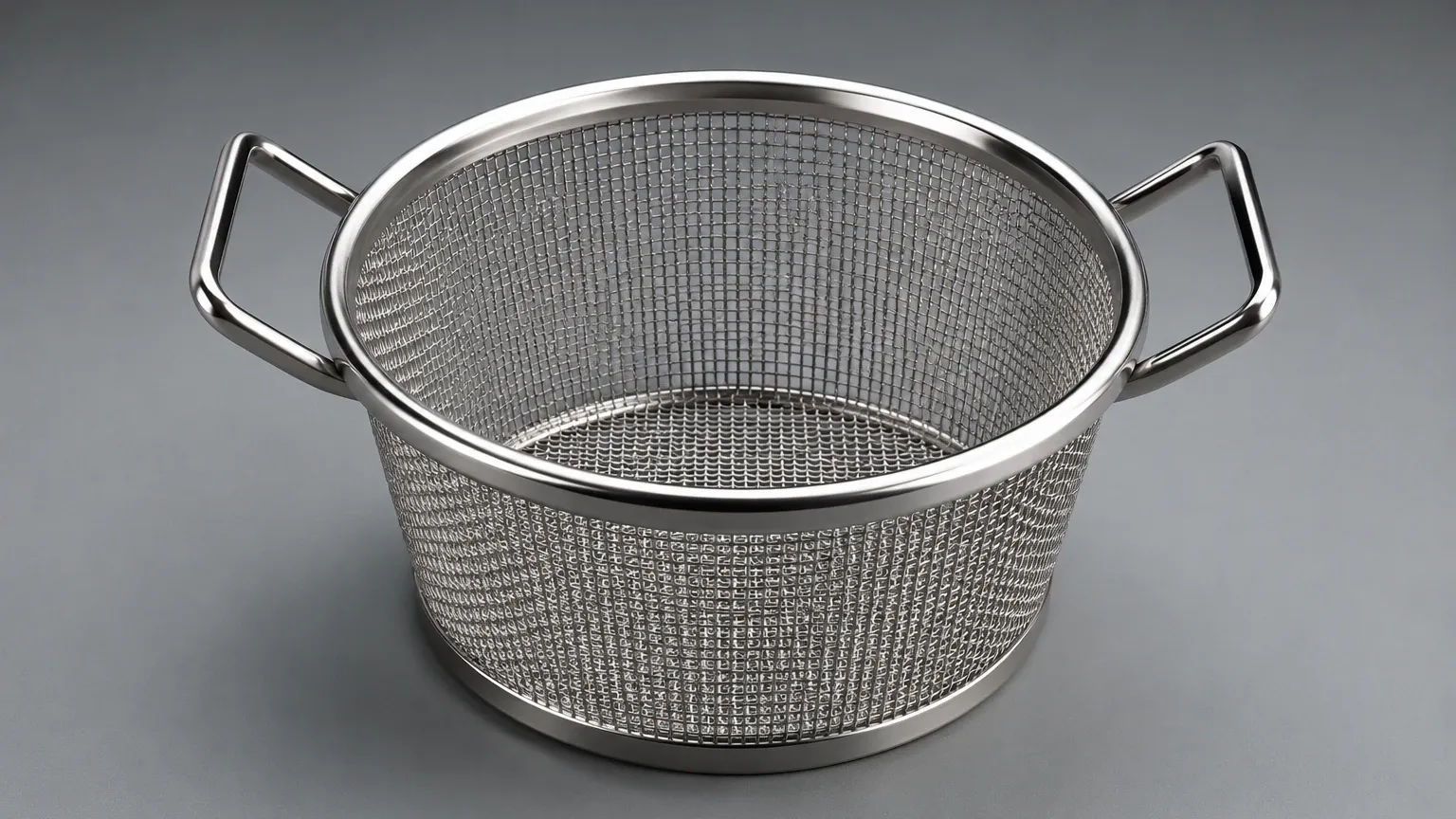
Strainer Basket with Handles
In industrial fluid processing, the efficiency of a filtration system is often determined by the mechanical design of its internal components. Among these, the strainer basket serves as the primary barrier against particulate contamination, protecting downstream equipment such as pumps, valves, and heat exchangers. While the filtration media—whether perforated metal or woven wire mesh—dictates the particle retention size, the physical configuration of the basket, specifically the integration of a strainer basket with handles, plays a critical role in operational safety, maintenance speed, and structural integrity.
For engineers and facility managers, selecting the appropriate Strainers & Baskets involves more than just specifying a micron rating. It requires a comprehensive understanding of how the basket interacts with the strainer housing, the fluid dynamics of the process, and the ergonomic requirements of the maintenance personnel who must service the equipment.
Engineering Considerations for Handle Integration
The handle of an industrial strainer basket is not merely a convenience feature; it is a functional component that affects the seating and sealing of the basket within the housing. In many high-pressure or high-flow applications, the handle acts as a hold-down mechanism. When the housing cover is closed, it may exert pressure on the handle, which in turn ensures the basket remains firmly seated against the internal flange or O-ring. This prevents "bypass," where unfiltered fluid escapes around the edges of the basket rather than passing through the filtration media.
From a mechanical engineering perspective, the attachment point of the handle is a zone of concentrated stress. During the removal of a basket heavily loaded with debris, the handle must withstand significant tensile force. If the handle is poorly welded or constructed from inferior materials, mechanical failure can occur, potentially dropping the basket and its collected contaminants back into the process line. Therefore, high-quality industrial baskets typically utilize TIG (Tungsten Inert Gas) welding to ensure deep penetration and a smooth finish that resists stress corrosion cracking.
Types of Handle Designs and Their Applications
The specific design of a strainer basket with handles should be chosen based on the clearance available within the strainer housing and the frequency of cleaning cycles. Common handle configurations include:
Fixed Bar Handles
A rigid bar welded across the diameter of the basket top. This is the most robust design, providing maximum structural reinforcement to the basket rim. It is ideal for heavy-duty applications where the basket may carry significant weight when full. However, fixed bars can occasionally interfere with flow if the inlet velocity is extremely high, and they require sufficient vertical clearance in the housing.
Swing Handles (Bail Handles)
These are hinged handles that can be folded down when not in use. Swing handles are preferred in low-profile housings where vertical space is limited. They allow for easy gripping but require careful engineering to ensure the hinge points do not become collection sites for bacteria or debris, which is especially important in food-grade or pharmaceutical applications.
Dual Side Handles
For very large or heavy baskets, dual handles located on the inner circumference of the rim allow for two-person lifting or the use of mechanical hoists. This design is common in large-diameter pipeline strainers where the weight of the debris-laden basket exceeds safe manual lifting limits.
Material Selection and Corrosion Resistance
Industrial filtration environments are frequently aggressive, involving corrosive chemicals, high temperatures, or abrasive slurries. Consequently, the material of construction for the strainer basket and its handle must be compatible with the process fluid to prevent premature failure.
Stainless steel is the industry standard due to its durability and resistance to oxidation.
- Grade 304 Stainless Steel: Suitable for general-purpose applications, including water treatment and mild chemical processing. It offers good strength and corrosion resistance at a cost-effective price point.
- Grade 316/316L Stainless Steel: Contains molybdenum, which provides superior resistance to chlorides and pitting. This is the preferred material for marine environments, pharmaceutical manufacturing, and the chemical industry.
- Specialty Alloys: In cases of extreme acidity or high-temperature caustic service, materials like Monel, Hastelloy, or Titanium may be required for the basket and handle assembly to ensure a reliable service life.
Impact on Operational Efficiency and Safety
The inclusion of a well-designed strainer basket with handles directly impacts the Total Cost of Ownership (TCO) of a filtration system. In many industrial processes, downtime is the most significant expense. A basket that is difficult to remove or that lacks a secure gripping point increases the time required for cleaning cycles.
Furthermore, safety is a paramount concern. In systems handling hot fluids or hazardous chemicals, maintenance personnel must be able to remove the basket quickly and securely while wearing protective equipment. A robust handle allows for the use of specialized lifting tools or hooks, keeping the operator’s hands at a safe distance from the process residues.
Customization Parameters for Industrial Baskets
Standard off-the-shelf strainers often fail to meet the specific demands of specialized industrial processes. Customization allows engineers to optimize the basket for specific flow rates and pressure drops. Key parameters to confirm when specifying custom Strainers & Baskets include:
1. Micron Rating or Mesh Count: Determining the smallest particle size that must be captured. This involves balancing filtration fineness with the frequency of cleaning.
2. Open Area Ratio: The ratio of the total hole area to the total basket area. A higher open area ratio results in a lower initial pressure drop and longer run times between cleanings.
3. Perforation Pattern: Staggered patterns generally provide more open area and better structural integrity than straight-row patterns.
4. Reinforcement Scaffolding: For high-pressure applications, the filtration mesh may need to be supported by a heavier perforated metal backup cylinder to prevent collapsing or "ballooning."
5. Handle Height and Orientation: Ensuring the handle does not obstruct the inlet flow or prevent the housing lid from sealing correctly.
Maintenance and Replacement Cycles
Even the most durable stainless steel strainer basket is a wear item. Regular inspection is necessary to ensure the integrity of the filtration media and the handle attachment points.
Inspection Checklist:
- Media Integrity: Look for signs of wire fraying, mesh displacement, or enlarged perforations caused by erosion or high differential pressure.
- Weld Points: Inspect the welds where the handle meets the basket rim. Look for hairline cracks or signs of fatigue.
- Deformation: Check if the basket has become out-of-round, which can prevent it from seating properly in the housing flange.
- Cleaning Residue: Ensure that previous cleaning cycles have effectively removed all trapped particulates, as dried-on debris can cause localized corrosion (crevice corrosion).
Replacement cycles vary significantly by industry. In stable water treatment applications, a basket may last several years. In contrast, in abrasive mining or high-acid chemical applications, baskets may require replacement every few months. Keeping spare baskets on-site is a standard best practice to ensure that a clean, inspected unit is always ready for swap-out, minimizing process interruption.
The Role of OEM Expertise in Selection
Selecting the right filtration component requires a balance between mechanical strength and filtration precision. Manufacturers specializing in custom stainless steel solutions, like Kaifil, provide the technical expertise necessary to navigate these specifications. By evaluating the specific viscosity, flow rate, and chemical composition of the process fluid, manufacturers can recommend the ideal combination of material grade, mesh size, and handle design.
When consulting with a manufacturer, it is helpful to provide the make and model of the existing strainer housing or detailed measurements of the basket seat. This ensures that the replacement or custom-designed strainer basket with handles fits perfectly, maintaining the necessary seal and preventing the costly consequences of bypass or mechanical failure.
In summary, while the strainer basket may seem like a simple component, its design—particularly the handle and structural reinforcements—is vital to the reliability of industrial fluid systems. By prioritizing high-quality materials and engineered handle designs, facilities can improve safety, reduce maintenance labor, and protect their critical infrastructure from the damaging effects of particulate contamination.
