


Strainer Hs Code
In the global procurement of industrial filtration components, technical specifications often take center stage. Engineers and procurement managers focus on micron ratings, flow rates, and material compatibility. However, an equally critical but often overlooked aspect of the supply chain is the regulatory classification of these components. Identifying the correct strainer hs code (Harmonized System code) is essential for international trade compliance, accurate duty calculation, and the prevention of costly customs delays.
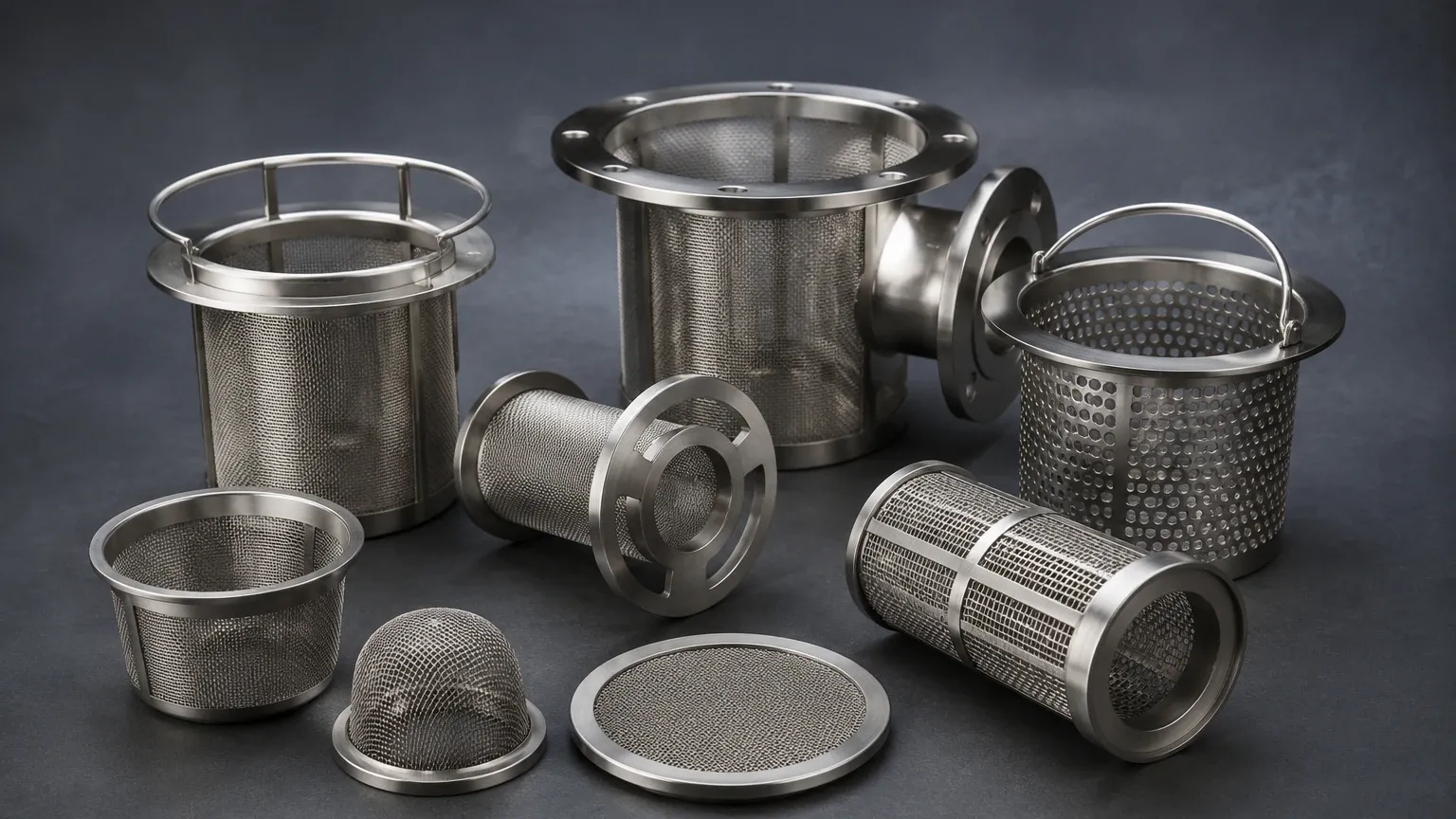
For manufacturers and distributors dealing with Strainers & Baskets, understanding the nuances of the Harmonized System is vital. This guide provides a technical overview of how industrial strainers are classified, the specific codes used across different jurisdictions, and the engineering factors that influence these classifications.
Understanding the Harmonized System for Industrial Filtration
The Harmonized System (HS) is a standardized numerical method of classifying traded products. Developed and maintained by the World Customs Organization (WCO), it is used by more than 200 countries as a basis for their customs tariffs and for the collection of international trade statistics.
An HS code typically consists of six digits, which are universal across all participating countries. Beyond the first six digits, individual nations may add additional digits (often resulting in an 8-digit or 10-digit code) to further refine classifications for specific duty rates or trade monitoring. For industrial components like stainless steel strainers and filter baskets, the classification logic is primarily driven by the function of the device and the material of construction.
Primary HS Classifications for Strainers and Baskets
Industrial strainers are generally classified under Chapter 84 of the HS nomenclature, which covers nuclear reactors, boilers, machinery, and mechanical appliances. Specifically, Heading 8421 is the most relevant category for filtration equipment.
1. HS Code 8421: Filtering or Purifying Machinery
Heading 8421 covers "Centrifuges, including centrifugal dryers; filtering or purifying machinery and apparatus, for liquids or gases." Within this heading, several subheadings are applicable to industrial strainers:
* 8421.21: This subheading specifically covers machinery and apparatus for filtering or purifying water. If a strainer is designed for a municipal water treatment plant or a large-scale industrial water intake system, this code is frequently utilized.
* 8421.29: This is a broader category for "Other" filtering or purifying machinery for liquids. This is the primary classification for industrial strainers used in chemical processing, oil and gas, and food and beverage applications where the fluid being filtered is not water.
* 8421.99: This code is reserved for "Parts" of filtering or purifying machinery. If a company is purchasing replacement baskets or mesh elements rather than a complete strainer housing assembly, 8421.99 is often the most accurate classification.
2. HS Code 7326: Other Articles of Iron or Steel
In some instances, particularly when dealing with simple mesh baskets or strainers that do not include a mechanical housing or specialized valve assembly, customs authorities may classify the items based on their material composition rather than their function as a machine part.
* 7326.90: This code covers "Other articles of iron or steel." If a stainless steel basket is viewed as a fabricated metal product rather than a component of a filtering machine, it may fall under this category. However, from an engineering perspective, classifying these as filtration parts (8421.99) is usually more precise when they are designed for specific industrial machinery.
Technical Factors Influencing the Strainer HS Code
Determining the correct strainer hs code requires a detailed understanding of the product's technical characteristics. Customs officials often look at the following criteria when verifying a classification:
Material of Construction
Industrial strainers manufactured by specialists like Kaifil are often constructed from high-grade stainless steel (304, 316, or 316L). While the material itself doesn't always change the primary 6-digit HS code under 8421, it can impact the 8-digit or 10-digit HTS (Harmonized Tariff Schedule) code in specific countries, potentially affecting duty rates. For example, some regions have specific sub-codes for equipment made of corrosion-resistant alloys.
Function and Mechanism
A manual Y-strainer or simplex basket strainer is classified differently than an automatic self-cleaning strainer. Automatic systems, which include motors, control panels, and backwashing mechanisms, are firmly categorized under 8421.29 due to their mechanical nature. Conversely, a simple perforated metal plate used as a temporary strainer might face different classification challenges.
Application-Specific Design
Strainers designed for the pharmaceutical or food and beverage industries often require high-polish finishes and sanitary fittings (such as Tri-Clamp connections). While these features are critical for process integrity, they generally do not move the product out of the 8421 heading, though they may require additional documentation regarding food-contact safety (e.g., FDA or EU 1935/2004 compliance) during the import process.
Engineering Considerations and Documentation
When engineers specify Strainers & Baskets, they provide data sheets that include pressure ratings, temperature limits, and filtration accuracy (micron rating). This technical documentation is invaluable for logistics teams and customs brokers.
The Importance of Technical Data Sheets
A comprehensive technical data sheet helps justify the chosen strainer hs code. If a shipment is flagged for inspection, the ability to show that a component is specifically engineered for "filtering or purifying liquids" (8421) rather than being a "general article of steel" (7326) can save thousands of dollars in misapplied duties. Key details to include in shipping documentation are:
* Intended Use: Explicitly state that the item is for industrial liquid filtration.
* Filtration Media: Detail the type of wire mesh or perforated metal used.
* Assembly Type: Clarify if the item is a complete housing (apparatus) or a replacement element (part).
Micron Ratings and Performance
While the HS code system does not typically differentiate between a 50-micron strainer and a 500-micron strainer, the performance expectations do. In high-precision industries like chemical processing, the accuracy of the filtration mesh is a functional requirement. Ensuring that the commercial invoice reflects the technical complexity of the item helps in establishing its value and proper classification.
Global Variations in Strainer Classification
While the first six digits of the strainer hs code are standardized, the remaining digits vary by region. For example:
* USA (HTSUS): The United States uses the Harmonized Tariff Schedule of the United States. A liquid filter might be classified under 8421.29.00, with further subdivisions based on the specific type of liquid or the presence of specific features.
* European Union (TARIC): The EU uses the TARIC system, which provides even more granular codes for monitoring trade policy measures like anti-dumping duties or suspension of duties.
* China (HS Code): China’s customs system often requires very specific descriptions of the material and the "working principle" of the filtration equipment to ensure the 10-digit code is applied correctly.
Common Risks of Incorrect HS Code Usage
Using an incorrect strainer hs code can lead to several negative outcomes for a B2B operation:
1. Duty Overpayment: If a strainer is classified under a general steel category with a 10% duty rate instead of a filtration machinery category with a 0% or 3% rate, the total cost of ownership increases unnecessarily.
2. Fines and Penalties: Customs authorities view misclassification as a serious compliance failure. Repeated errors can lead to audits, heavy fines, and the loss of "trusted trader" status.
3. Supply Chain Delays: If customs officials disagree with a code, they may hold the shipment until a formal ruling is made. For a plant shutdown or a critical project, a two-week delay at the port can be catastrophic.
4. Incorrect Trade Statistics: On a macro level, incorrect codes distort the data used by governments to negotiate trade agreements and monitor industry health.
How to Ensure Compliance When Ordering Strainers
For engineers and purchasing teams, the best way to manage HS code accuracy is through collaboration with the manufacturer. When sourcing Strainers & Baskets, follow these steps:
* Consult the Manufacturer: Professional manufacturers like Kaifil have extensive experience shipping filtration components globally. They can provide the most commonly used HS codes for their products based on previous successful shipments.
* Pre-Classification: Work with a licensed customs broker to pre-classify your most frequently ordered parts. This ensures consistency across all imports.
* Standardize Descriptions: Ensure that the description on the Purchase Order (PO), Proforma Invoice, and Bill of Lading matches the technical definition associated with the HS code.
* Monitor Changes: The WCO updates the HS nomenclature every five years (the most recent major update was in 2022). Stay informed about changes that might affect industrial machinery and parts.
Conclusion
The technical world of industrial filtration and the administrative world of customs compliance intersect at the strainer hs code. While engineers are rightly focused on the durability and precision of stainless steel filter elements, the logistics of getting those elements to the job site requires equal attention to regulatory detail.
By understanding that most industrial strainers fall under Heading 8421 and replacement baskets under 8421.99, procurement teams can better navigate the complexities of international trade. High-quality manufacturing, paired with accurate technical documentation, ensures that these critical components move through the global supply chain efficiently, arriving on-site ready to protect pumps, valves, and downstream equipment from particulate contamination.
