


Strainer Yamaha
In the realm of high-performance machinery and industrial power units, the integrity of fluid systems is paramount. Whether integrated into marine outboards, industrial generators, or specialized pumping systems, Yamaha equipment relies on precise filtration to maintain operational efficiency and prevent catastrophic component failure. A critical element in these systems is the strainer. When evaluating a strainer Yamaha application, engineers and procurement specialists must look beyond simple fitment to understand the technical specifications, material science, and engineering tolerances required to protect sophisticated internal components.
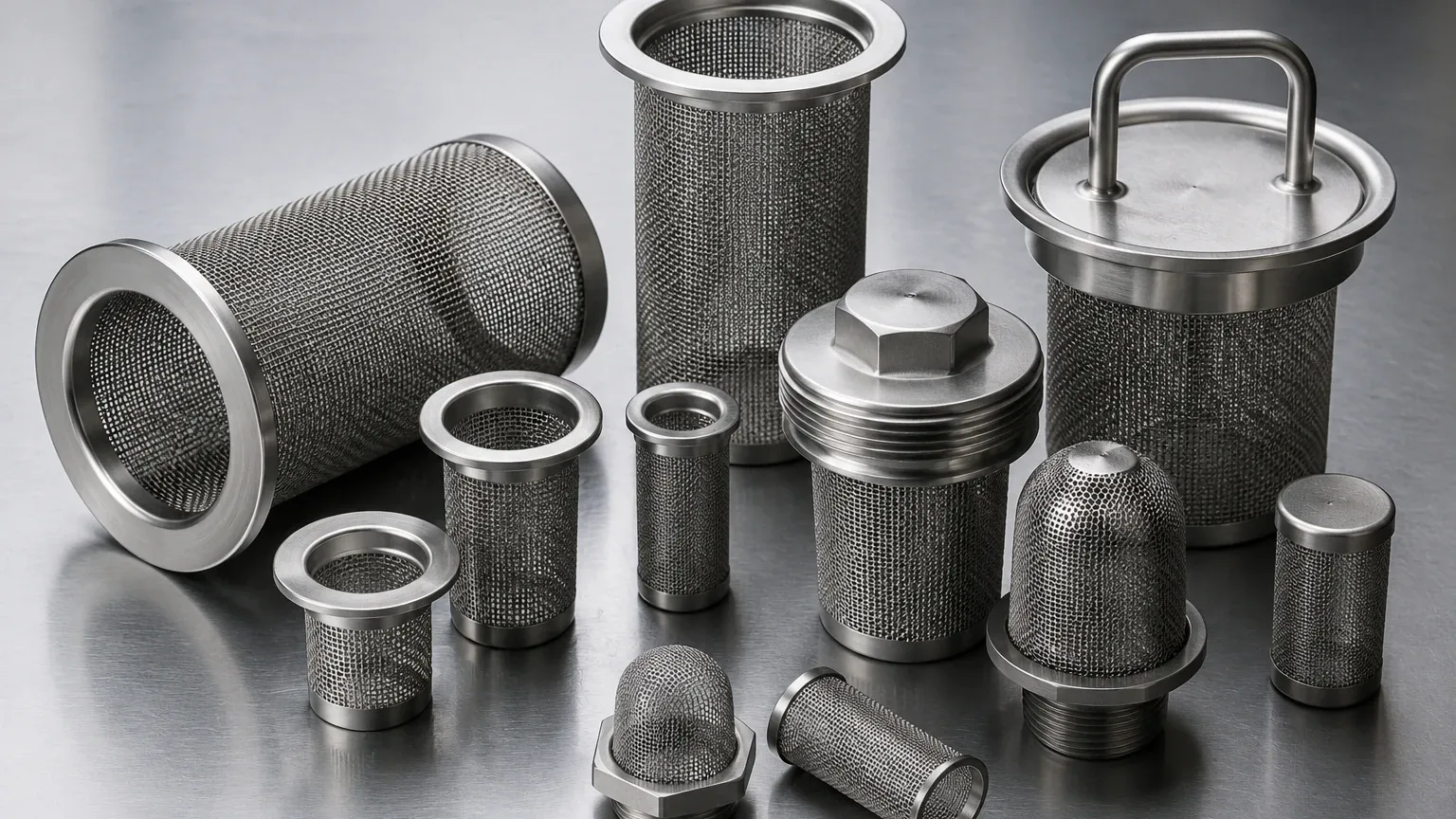
Industrial filtration is not a one-size-fits-all solution. The selection of Strainers & Baskets for Yamaha-powered systems involves a deep dive into micron ratings, flow dynamics, and environmental resistance. This guide provides a technical overview of the engineering considerations necessary for selecting, maintaining, and customizing strainers for demanding industrial and marine applications.
The Role of Strainers in Yamaha Equipment Performance
Strainers serve as the primary defense mechanism in fluid handling systems. Unlike fine filters that capture microscopic particulates, strainers are designed to remove larger debris—such as sand, scale, or biological matter—that can clog injectors, damage pump impellers, or obstruct cooling passages. In Yamaha systems, these components are typically found in three critical areas: fuel delivery, lubrication, and raw water intake.
In fuel systems, a strainer prevents tank-borne contaminants from reaching the high-pressure fuel pumps. In marine environments, where Yamaha outboards are prevalent, the water intake strainer is perhaps the most vital. It must allow for high-volume flow to keep the engine within its thermal operating range while excluding seaweed, plastic debris, and shells. If the strainer fails or becomes prematurely clogged due to poor design, the resulting pressure drop can lead to cavitation or overheating, both of which significantly reduce the service life of the equipment.
Technical Requirements for Yamaha-Compatible Strainers
When sourcing or manufacturing a replacement strainer, several technical parameters must be verified to ensure the component meets or exceeds OEM standards.
1. Filtration Accuracy and Mesh Selection
Filtration accuracy is defined by the size of the particles the mesh can successfully intercept. For industrial strainers, this is usually measured in microns or mesh count. A 100-mesh screen, for example, has approximately 140-micron openings. For Yamaha fuel systems, a finer mesh is often required to protect precision injectors, whereas cooling water strainers may utilize a coarser mesh to balance filtration with the need for high flow rates.
2. Open Area Percentage
The "open area" refers to the total area of the holes in the mesh relative to the total surface area of the strainer. A higher open area percentage results in a lower initial pressure drop (ΔP), which is essential for maintaining pump efficiency. However, increasing the open area often requires thinner wire diameters, which can compromise the structural integrity of the basket under high-pressure conditions. Engineering a strainer requires finding the "sweet spot" where flow is maximized without sacrificing durability.
3. Structural Reinforcement
In high-pressure or high-viscosity applications, the mesh alone may not be strong enough to withstand the mechanical stress of the fluid flow. In these cases, the strainer basket is often reinforced with a perforated metal backup or a rigid internal skeleton. This prevents the mesh from collapsing or "ballooning," which could lead to bypass—where unfiltered fluid escapes around the edges of the filter element.
Material Selection: Why Stainless Steel Outperforms Alternatives
Material choice is the most significant factor in determining the longevity of a strainer Yamaha component. While some consumer-grade strainers use plastics or lower-grade alloys, industrial applications demand the resilience of stainless steel.
SS304 vs. SS316
Stainless steel 304 is the standard for many industrial applications due to its excellent balance of strength and cost. However, for Yamaha equipment operating in marine or chemically aggressive environments, SS316 is the preferred material. The addition of molybdenum in SS316 provides superior resistance to pitting and crevice corrosion caused by chlorides (saltwater).
Corrosion Resistance and Longevity
In marine cooling systems, the strainer is constantly exposed to oxygenated saltwater, one of the most corrosive environments for metal. A high-quality stainless steel strainer basket will resist the electrochemical reactions that lead to rust and structural thinning. This ensures that the filtration accuracy remains consistent over years of service, whereas inferior materials might see their mesh openings enlarge as the metal corrodes away.
Engineering Considerations: Flow Rate and Pressure Drop
Every strainer introduces some level of resistance to the fluid flow. This resistance is measured as pressure drop. For engineers, managing the clean pressure drop is a critical part of system design. If the pressure drop across a Strainers & Baskets assembly is too high from the start, the system has very little "dirt-holding capacity" before the flow rate falls below the required threshold for the Yamaha engine or pump.
To optimize this, manufacturers like Kaifil utilize advanced weaving techniques and precision-engineered basket geometries. For instance, a pleated design can significantly increase the surface area of the strainer within the same physical footprint. By doubling the surface area, you effectively halve the velocity of the fluid passing through the mesh, which drastically reduces the pressure drop and extends the time between cleaning cycles.
Maintenance and Cleaning Cycles for Industrial Strainers
One of the primary advantages of stainless steel strainers in Yamaha applications is that they are reusable. Unlike disposable paper or synthetic filters, a stainless steel basket can be cleaned and returned to service multiple times, provided the cleaning process does not damage the mesh.
Determining the Cleaning Schedule
In industrial settings, the cleaning cycle should be determined by monitoring the differential pressure across the strainer. Installing pressure gauges upstream and downstream of the strainer housing allows operators to see exactly when the basket is becoming loaded with debris. For Yamaha marine engines, a visual inspection of the raw water strainer should be part of the daily pre-operational check, especially when operating in shallow or debris-heavy waters.
Cleaning Best Practices
To maintain the integrity of the strainer:
* Backwashing: If the system allows, reversing the flow can dislodge particles trapped on the surface of the mesh.
* Ultrasonic Cleaning: For fine mesh strainers where particulates are lodged deep within the weave, ultrasonic cleaning is the most effective method for restoring original flow characteristics.
* Chemical Cleaning: In cases of biological fouling (such as barnacle growth or algae), mild acid baths may be used, but only if the material is a high-grade stainless steel like 316 that can withstand the treatment.
Sourcing and Customization: Beyond Off-the-Shelf Solutions
While standard replacement parts are available for common Yamaha models, many industrial applications require customized filtration solutions. This is particularly true when a Yamaha power unit is integrated into a larger, non-standard system, such as a custom hydraulic power pack or a specialized irrigation pump.
Custom Dimensions and Fittings
OEM strainers are designed for specific housings. If an engineer is designing a new system or retrofitting an older one, they may require a strainer with custom flange dimensions, unique basket depths, or specialized handle configurations for easier extraction. Custom manufacturing allows for the creation of strainers that fit perfectly into proprietary housings, ensuring a leak-proof seal and optimal flow pathing.
Specialized Mesh Weaves
Depending on the contaminant profile, different weave types may be required. A Plain Weave is standard for general-purpose straining, but a Dutch Weave offers much higher strength and finer filtration levels, making it ideal for high-pressure fuel or hydraulic lines. By working with a manufacturer that specializes in custom stainless steel filtration, engineers can specify the exact weave that matches their particulate challenges.
Total Cost of Ownership (TCO) Considerations
When purchasing a strainer Yamaha component, the initial price is only one part of the equation. Purchasing teams must consider the total cost of ownership, which includes:
1. Replacement Frequency: A cheap, low-quality strainer may need to be replaced every few months due to corrosion or structural failure, whereas a high-quality stainless steel basket can last for years.
2. Downstream Protection: The cost of a strainer is negligible compared to the cost of a Yamaha high-pressure fuel pump or a complete engine overhaul. A high-performance strainer is an insurance policy against expensive downtime.
3. Labor Costs: Frequent cleaning or difficult replacements add to the labor burden. Choosing a strainer with high dirt-holding capacity and an ergonomic design reduces the man-hours required for maintenance.
Conclusion
Selecting the right strainer for Yamaha-powered equipment is a technical decision that impacts the reliability and efficiency of the entire system. By focusing on high-grade materials like SS316, understanding the relationship between mesh size and pressure drop, and opting for precision-engineered Strainers & Baskets, industrial users can ensure their equipment operates at peak performance even in the harshest environments.
Whether you are maintaining a fleet of marine vessels or managing an industrial facility powered by Yamaha units, the quality of your filtration components is the foundation of your operational success. For those with unique requirements, seeking out custom OEM manufacturing solutions provides the flexibility needed to address specific engineering challenges that off-the-shelf parts simply cannot meet.
