


Wire Strainers for Fencing
In both industrial filtration and structural engineering, the integrity of wire-based components determines the efficiency and longevity of the entire system. While the term "wire strainers" often brings to mind the mechanical tensioning tools used in agricultural and security perimeters, the underlying engineering principles—material fatigue resistance, corrosion protection, and structural load distribution—are deeply intertwined with the production of high-performance industrial filtration components. For engineers and procurement specialists, understanding the technical nuances of Strainers & Baskets is essential for ensuring that whether a component is used for fluid separation or as a structural barrier, it meets the rigorous demands of its environment.
Material Science: Why Stainless Steel Dominates Industrial Straining
The selection of material is the most critical factor in the performance of any wire-based strainer. In industrial environments where exposure to chemicals, high moisture, or extreme temperatures is common, standard carbon steel often fails prematurely due to oxidation. This is particularly relevant when considering wire strainers for fencing in coastal or industrial zones, where salt spray and airborne pollutants accelerate degradation.
Stainless steel, specifically grades 304 and 316, serves as the industry standard for both filtration and structural straining. Grade 304 offers excellent resistance to most oxidizing acids and is highly durable for general industrial use. However, for applications involving marine environments or chemical processing, Grade 316 is preferred due to its molybdenum content, which provides superior resistance to chloride-induced pitting. When manufacturing precision wire mesh for filters or high-tension strainers, the metallurgical composition ensures that the wire maintains its tensile strength even under constant mechanical stress.
Understanding the Mechanics of Wire Strainers for Fencing and Filtration
Although their applications differ, the mechanical requirements of wire strainers for fencing and industrial filter baskets share common engineering challenges. In fencing, a wire strainer must maintain consistent tension over long distances to prevent sagging and structural failure. In filtration, the "fencing" or outer support mesh of a basket strainer must withstand the differential pressure (ΔP) of fluid flow without deforming.
Key mechanical considerations include:
* Tensile Strength: The ability of the wire to resist breaking under tension. High-tensile stainless steel wire is essential for components that must remain taut or support heavy filter media.
* Yield Strength: The point at which the wire begins to deform plastically. For industrial strainers, staying well below this limit is vital for maintaining the accuracy of the mesh opening sizes.
* Elongation Properties: The degree to which the material stretches. Controlled elongation is necessary to absorb shocks or pressure surges without permanent damage to the mesh structure.
Design Considerations for Industrial Strainers & Baskets
Industrial Strainers & Baskets are engineered to remove unwanted solids from liquid or gas streams. Unlike simple tensioning tools, these components must balance filtration accuracy with flow efficiency. The design process involves several critical parameters that engineers must confirm before procurement.
Mesh Count and Micron Rating
The mesh count refers to the number of wires per linear inch. A higher mesh count results in a finer micron rating, allowing the strainer to capture smaller particles. However, finer meshes also increase resistance to flow. Selecting the correct balance is essential to prevent excessive pressure drops that can damage pumps or downstream equipment.
Structural Reinforcement
For large-scale industrial baskets, the wire mesh is often supported by a perforated metal cage or a heavy-duty frame. This "fencing" structure provides the necessary rigidity to handle the weight of the captured debris and the force of the fluid. The welding techniques used—such as resistance welding or TIG welding—must ensure that there are no weak points where stress concentrations could lead to failure.
Performance Metrics: Durability, Tension, and Flow Efficiency
When evaluating wire strainers for fencing or industrial filtration, performance is measured by how well the component maintains its functional integrity over time. In a filtration context, this is often quantified by the "dirt-holding capacity" and the frequency of cleaning cycles. In structural applications, it is measured by the retention of tension.
1. Corrosion Resistance: As previously noted, the choice of alloy determines how long the strainer will last in a corrosive atmosphere. For B2B buyers, the total cost of ownership (TCO) is significantly reduced by choosing high-grade stainless steel that eliminates the need for frequent replacements.
2. Pressure Drop (ΔP): Engineers must calculate the clean pressure drop across the strainer. An optimized design uses a wire diameter that provides sufficient strength while maximizing the "open area" percentage to allow for high flow rates.
3. Mechanical Fatigue: Repeated cycles of pressure or tension can lead to work hardening and eventual cracking of the wire. High-quality manufacturing processes include stress-relieving steps to enhance the fatigue life of the component.
Custom OEM Solutions for Demanding Applications
Standard off-the-shelf components rarely meet the specific needs of complex industrial systems. This is where custom manufacturing and OEM capabilities become vital. Whether a project requires a unique geometry for a basket strainer or specialized wire strainers for fencing in a high-security industrial facility, customization allows for precise engineering.
Customization options typically include:
* Dimensional Tailoring: Adjusting the diameter, height, and flange configurations to fit existing housing units.
* Layering Techniques: Combining multiple layers of wire mesh (sintered or bonded) to provide both fine filtration and high mechanical strength.
* Surface Treatments: Electropolishing or passivating the stainless steel to enhance its corrosion resistance and provide a smoother surface that is easier to clean.
By working closely with a manufacturer that understands both the material properties and the application environment, purchasing teams can ensure that the components they receive are optimized for their specific operational parameters.
Maintenance and Longevity in Corrosive Environments
The lifespan of wire strainers—whether used for filtration or as structural fencing—is heavily dependent on a proper maintenance regimen. In industrial fluid systems, a rise in differential pressure is the primary indicator that a basket strainer needs cleaning. If left unaddressed, the accumulated debris can cause the mesh to collapse or bypass.
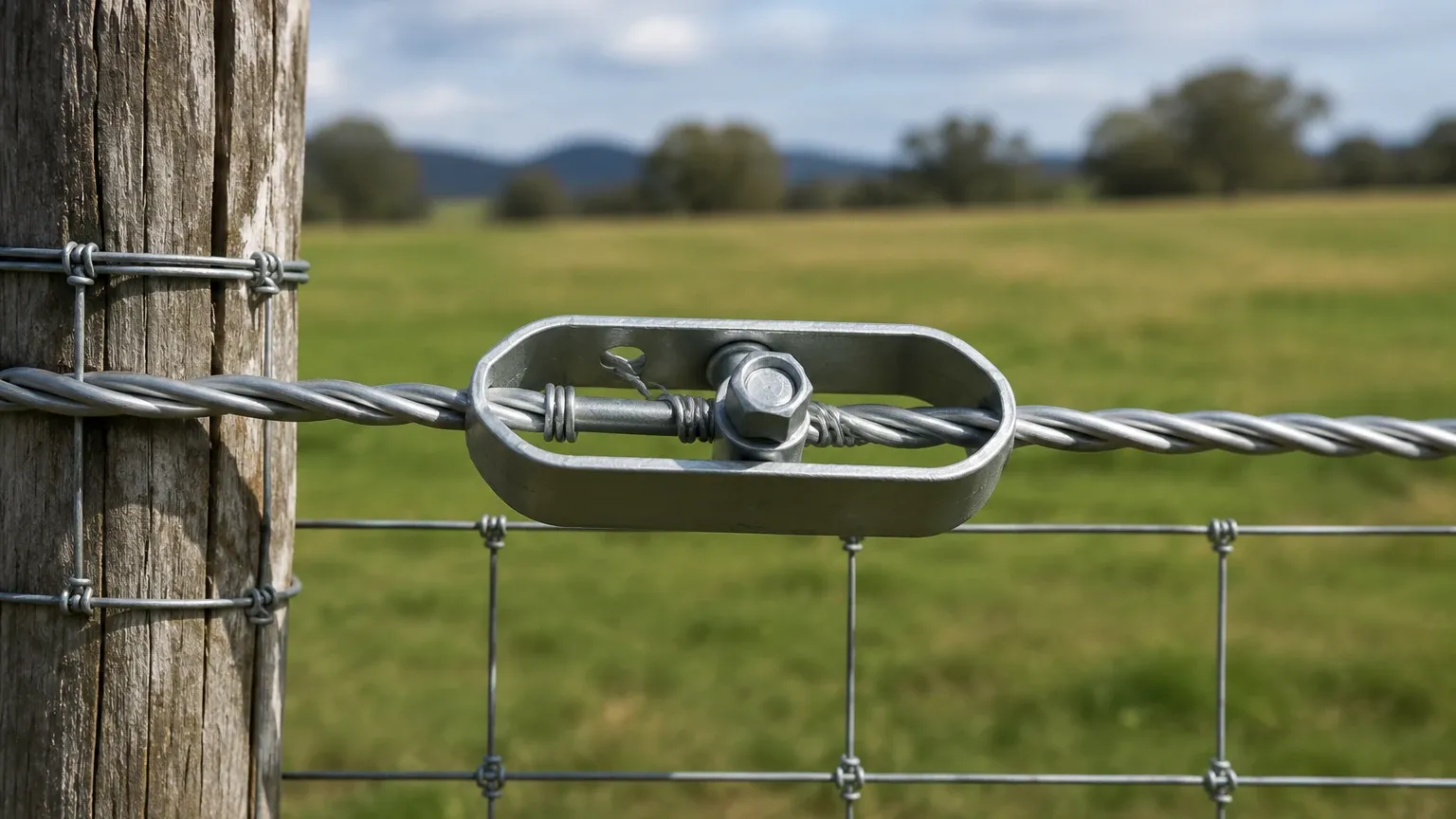
For wire strainers for fencing, maintenance involves periodic checks of the tensioning mechanism and inspection for signs of environmental stress. In both cases, stainless steel components offer the advantage of being "cleanable." Unlike disposable synthetic filters, stainless steel baskets can be backwashed, ultrasonically cleaned, or chemically treated to restore their original flow characteristics. This sustainability factor is a key consideration for modern industrial operations looking to reduce waste and operational costs.
Technical Selection Criteria for Industrial Procurement
Before placing an order for Strainers & Baskets, procurement officers and engineers should collaborate to define a clear set of specifications. This prevents the common pitfall of purchasing a component that is either over-engineered (increasing cost) or under-engineered (increasing risk of failure).
Checklist for Selection:
* Fluid/Environment Compatibility: What chemicals or atmospheric conditions will the strainer encounter?
* Operating Temperature: Will the material maintain its properties at the maximum expected temperature?
* Flow Rate and Pressure: What is the maximum allowable pressure drop across the unit?
* Particle Size Retention: What is the specific micron rating required to protect downstream components?
* Cleaning Method: Will the strainer be cleaned manually, or does the system require an automated backwash design?
By focusing on these factual engineering boundaries, B2B buyers can secure components that provide reliable service in the most demanding industrial environments. Whether the application involves the precision of a pharmaceutical filter or the rugged durability required for wire strainers for fencing, the quality of the wire mesh and the integrity of the manufacturing process remain the cornerstones of success.
