


Mesh Woven
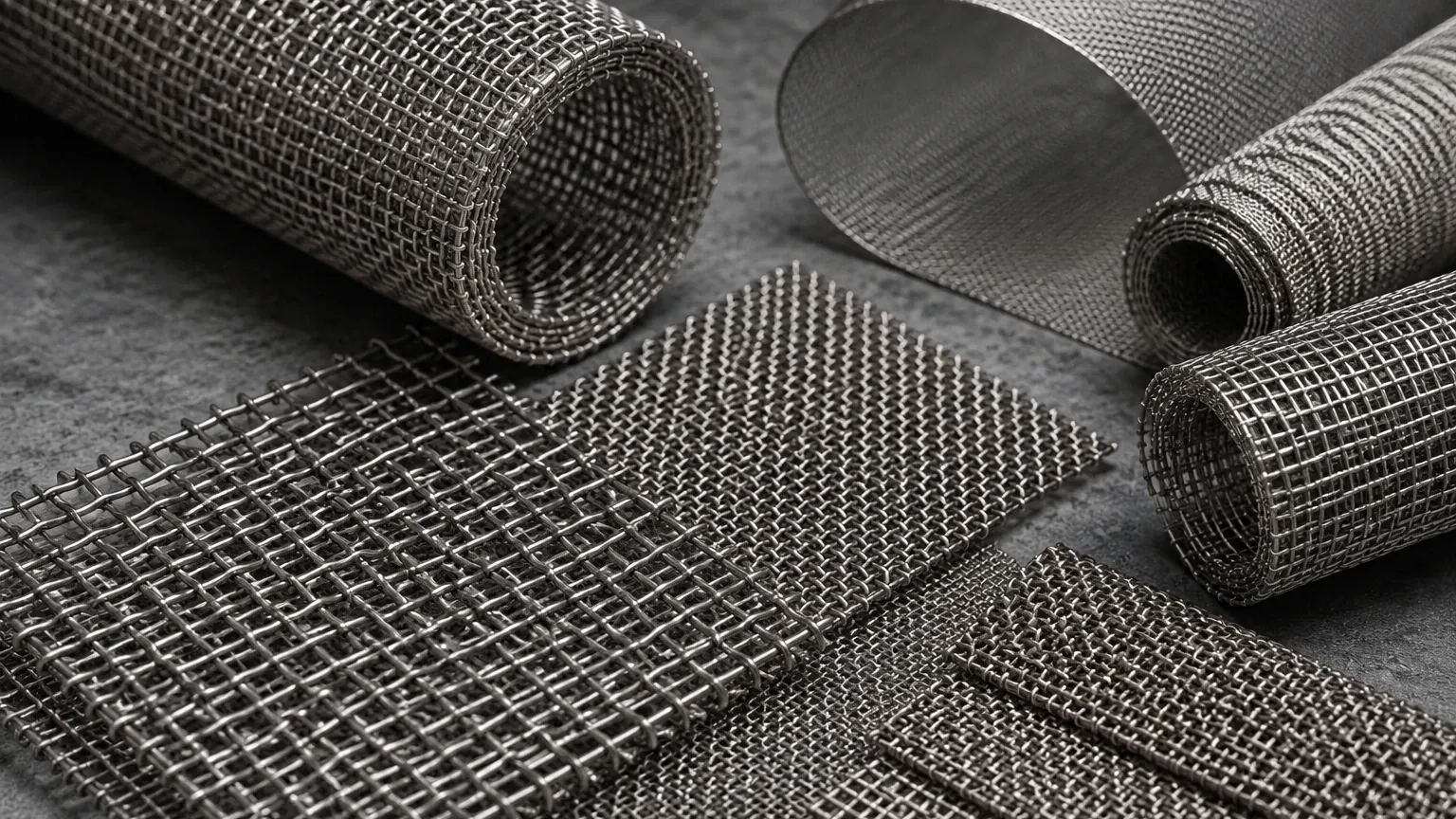
In the landscape of industrial filtration, the term mesh woven refers to a highly engineered material produced by weaving metallic wires into precise patterns. For engineers and procurement specialists, selecting the correct Woven Wire Mesh is a critical decision that impacts the efficiency, longevity, and safety of industrial processes. Whether the application involves chemical processing, pharmaceutical manufacturing, or high-pressure hydraulic systems, understanding the technical nuances of mesh construction is essential for optimizing filtration performance.
At Kaifil, we specialize in manufacturing high-performance stainless steel filtration solutions. This guide provides a technical overview of woven wire mesh, focusing on material selection, weave geometries, and the engineering considerations necessary for selecting the right component for demanding industrial environments.
Understanding the Fundamentals of Mesh Woven Structures
The construction of a mesh woven product involves the intersection of two sets of wires: the warp wires, which run longitudinally through the loom, and the shute (or weft) wires, which run transversely. The specific way these wires interlace determines the mesh’s physical properties, including its aperture size, mechanical strength, and flow characteristics.
Key Technical Definitions
To effectively communicate specifications with a manufacturer like Kaifil, engineers must be familiar with the following metrics:
* Mesh Count: This refers to the number of openings per linear inch. A higher mesh count indicates a finer mesh with smaller apertures.
* Wire Diameter: The thickness of the wire before weaving. This significantly affects the mechanical strength and the "Open Area" of the finished product.
* Aperture (Opening Size): The clear distance between two adjacent parallel wires. This is the primary factor in determining the filtration rating.
* Open Area Percentage: The ratio of the area of the openings to the total area of the mesh. A higher open area typically results in lower pressure drops and higher flow rates, though often at the cost of structural rigidity.
Comparative Analysis of Weave Types
The geometry of the weave is perhaps the most significant factor in how a mesh woven component performs under pressure. Different weaving patterns are utilized to achieve specific filtration targets and mechanical requirements.
Plain Weave
Plain weave is the most common and straightforward pattern. Each shute wire passes alternately over and under each warp wire. It provides the highest open area and is ideal for applications requiring high flow rates and moderate filtration accuracy. However, as the mesh becomes finer, the wire diameter must decrease, which can limit the mesh's ability to withstand high differential pressures.
Twill Weave
In a twill weave, each shute wire passes over and under two warp wires in a staggered pattern. This allows for the use of heavier wire diameters than a plain weave of the same mesh count. Twill weaves are often used when a high mesh count is required but the material must also maintain significant mechanical integrity. It is a preferred choice for heavy-duty industrial filters.
Dutch Weave (Plain and Twill)
Dutch weaves utilize different diameters for warp and shute wires. Typically, the warp wires are heavier and spaced further apart, while the shute wires are finer and driven closely together. This creates a dense, wedge-shaped opening rather than a square one.
* Plain Dutch Weave: Offers high mechanical strength and is capable of capturing very fine particles while maintaining a robust structure.
* Twill Dutch Weave: By combining the twill pattern with the Dutch weave density, this construction achieves the finest filtration ratings (down to the micron level) and is exceptionally resistant to high pressures.
Material Selection for Industrial Environments
The performance of mesh woven filters is heavily dependent on the alloy used. Industrial environments often involve corrosive fluids, extreme temperatures, and mechanical stress. Stainless steel is the industry standard due to its versatility and durability.
Stainless Steel 304 (SS304)
SS304 is the most widely used material for general industrial applications. It offers excellent corrosion resistance in most atmospheric conditions and is highly cost-effective. It is suitable for food and beverage processing, where hygiene and basic chemical resistance are required.
Stainless Steel 316L (SS316L)
For more aggressive environments, SS316L is the preferred choice. The addition of molybdenum provides superior resistance to chlorides and pitting corrosion. The "L" denotes low carbon content, which improves weldability and prevents sensitization in high-temperature applications. This material is standard in the pharmaceutical and chemical processing industries.
High-Temperature and Specialty Alloys
In specialized cases involving extreme heat or highly acidic/alkaline fluids, alloys such as Inconel, Monel, or Hastelloy may be required. These materials maintain their structural integrity and corrosion resistance in conditions where standard stainless steels would fail.
Engineering Considerations: Flow Rate and Pressure Drop
When integrating a mesh woven component into a system, engineers must calculate the balance between filtration efficiency and hydraulic performance.
The Relationship Between Open Area and Pressure Drop
The pressure drop ($ΔP$) across a filter is a function of the fluid velocity, viscosity, and the mesh's open area. A mesh with a low open area will cause a higher initial pressure drop, which can lead to increased energy consumption for pumps and a shorter service life before the filter reaches its terminal pressure drop.
Mechanical Integrity and Support
Fine mesh layers are often delicate. In high-pressure applications, a single layer of mesh woven material may require a perforated metal core or a coarser support mesh to prevent deformation or "bursting." Kaifil provides customized multilayer designs where different mesh counts are sintered or mechanically bonded to provide both precision filtration and structural support.
Customization and OEM Solutions
Standard off-the-shelf mesh rolls rarely meet the specific needs of complex industrial housings. Customization is a core part of the procurement process for technical teams.
Precision Fabrication
Kaifil offers a range of fabrication services to transform raw mesh woven material into functional components:
* Cut-to-Size Discs and Panels: Precise laser or mechanical cutting to fit specific filter housings.
* Framed Panels: Adding stainless steel frames to mesh panels for easier installation and improved edge sealing.
* Cylindrical and Conical Filters: Rolling and welding mesh into specific geometries for inline filtration.
* Pleated Cartridges: Pleating the mesh to significantly increase the surface area, which extends the cleaning cycle and reduces the footprint of the filter unit.
OEM Collaboration
For original equipment manufacturers (OEMs), working with a manufacturer that understands the nuances of wire mesh is vital. This collaboration ensures that the mesh count, wire diameter, and alloy are perfectly matched to the intended application's flow and particle retention requirements.
Maintenance, Cleaning, and Replacement Cycles
One of the primary advantages of stainless steel mesh woven filters is that they are cleanable and reusable, unlike disposable polymer filters. However, the cleaning method must be compatible with the mesh type.
Cleaning Techniques
* Backwashing: Reversing the flow of fluid to dislodge particles trapped on the surface of the mesh.
* Ultrasonic Cleaning: Using high-frequency sound waves in a solvent bath to remove fine particles from deep within the weave, especially effective for Dutch weaves.
* Chemical Cleaning: Using specific solvents or acids to dissolve accumulated contaminants, provided the mesh material is chemically compatible.
Determining Replacement Cycles
While durable, woven wire mesh is subject to wear. Factors such as abrasive particles in the fluid stream, frequent high-pressure spikes, and corrosive fatigue will eventually degrade the mesh. Engineers should monitor the rate of pressure drop increase after each cleaning cycle. When the "clean" pressure drop begins to rise significantly, it indicates that internal blinding or structural deformation has occurred, and the mesh should be replaced to avoid failure.
Conclusion: Selecting the Right Partner for Filtration Excellence
Selecting the appropriate mesh woven solution requires a deep understanding of both the material properties and the operational demands of the application. By focusing on technical specifications—such as weave type, alloy composition, and open area—engineers can ensure their filtration systems operate at peak efficiency with minimal downtime.
Kaifil remains committed to providing high-quality, customized stainless steel filtration components. Our expertise in manufacturing Woven Wire Mesh ensures that our clients receive products that meet the rigorous standards of modern industry. Whether you require standard rolls or complex, custom-engineered filter elements, our team is ready to support your technical requirements with precision and reliability.
