


Woven Wire Fence 330 Ft: An Industrial Engineering and Procurement Guide
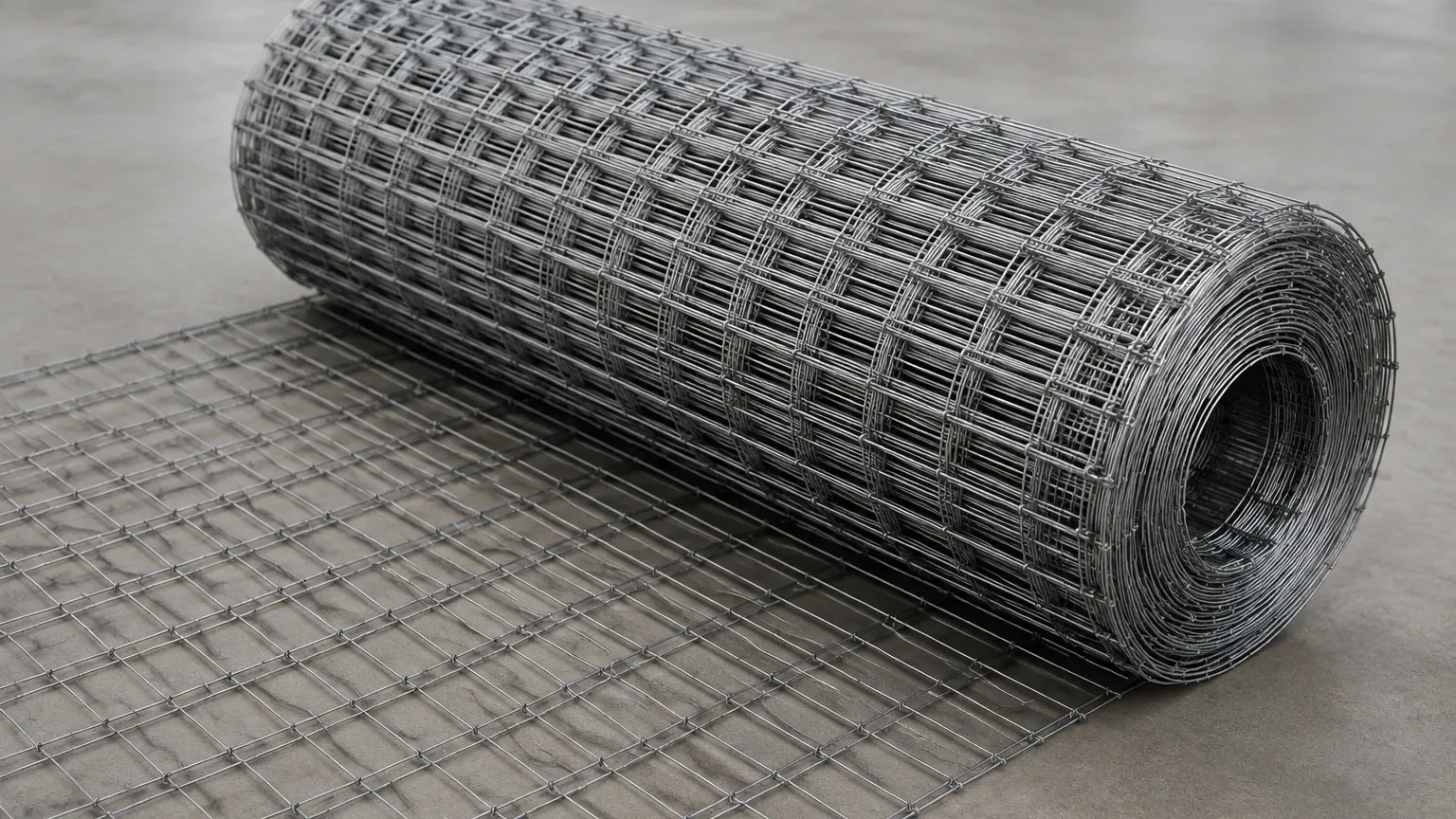
In industrial procurement and site engineering, the specification of a "woven wire fence 330 ft" roll represents more than just a perimeter barrier; it is a standard unit of measure for high-durability material used in security, machine guarding, and large-scale filtration infrastructure. While 330-foot (approximately 100-meter) lengths are common in agricultural sectors, industrial applications require a significantly higher level of technical scrutiny regarding material composition, weave integrity, and environmental resistance.
For engineers and facility managers, selecting the right Woven Wire Mesh in these bulk formats requires balancing structural rigidity with specific aperture requirements. This guide examines the technical parameters of 330 ft woven wire rolls, focusing on stainless steel alloys, weave types, and the engineering considerations necessary for long-term performance in demanding environments.
1. Understanding the 330 Ft Standard in Industrial Contexts
The 330 ft roll length is a global industry standard for bulk wire products. For manufacturers like Kaifil, producing woven wire in these continuous lengths ensures consistency in wire tension and aperture uniformity across large-scale installations. In a B2B context, purchasing in 330 ft increments is often the most cost-effective method for projects requiring extensive coverage, such as industrial site perimeters, large-scale debris filtration for water intakes, or protective cladding for HVAC systems.
Logistics and Material Handling
When dealing with a woven wire fence 330 ft in length, weight and tensile strength become critical logistical factors. A roll of high-gauge stainless steel mesh at this length can be exceptionally heavy, requiring specialized mechanical lifting equipment. Engineers must account for the "roll set" (the natural curvature of the wire) when planning installation, particularly if the mesh is intended for flat-panel applications like security screens or architectural partitions.
2. Material Selection: The Role of Stainless Steel Alloys
Unlike standard galvanized carbon steel fences, industrial-grade woven wire mesh is typically specified in stainless steel to ensure longevity and structural integrity. The choice of alloy is the primary driver of the Total Cost of Ownership (TCO).
SS304: The Industrial Baseline
Stainless Steel 304 is the most common specification for general-purpose industrial fencing and screening. It provides excellent strength and good corrosion resistance for indoor or moderate outdoor environments. In 330 ft rolls, SS304 offers a balance between cost-efficiency and durability for machine guards and safety barriers.
SS316/316L: The High-Performance Requirement
For facilities located in coastal areas, chemical processing plants, or pharmaceutical environments, SS316 is the mandatory standard. The addition of molybdenum enhances resistance to chloride-induced pitting. When specifying a woven wire fence 330 ft for a wastewater treatment plant or a marine intake screen, the higher upfront cost of SS316 is offset by the elimination of premature failure due to oxidation.
3. Engineering Specifications: Mesh Count and Wire Diameter
When transitioning from a general "fence" concept to a technical "woven wire mesh" specification, engineers must define the geometry of the material. The performance of the 330 ft roll is dictated by the relationship between the wire diameter and the opening size.
Defining the Aperture
In industrial filtration and security, the aperture (the clear distance between wires) determines what the mesh will allow to pass. For security fencing, a smaller aperture prevents climbing and tool insertion. For filtration applications, such as large-scale primary screens, the aperture must be calculated based on the flow rate and the particle size of the debris to be excluded.
Wire Gauge and Tensile Strength
The wire diameter directly impacts the mesh's resistance to impact and mechanical stress. A "woven wire fence 330 ft" roll utilizing a heavy gauge (e.g., 2mm to 4mm wire) provides significant physical security but requires more robust support structures. Conversely, finer wire diameters are used when the mesh serves a dual purpose, such as a barrier that must also maintain high airflow or visibility.
Weave Types for Large-Scale Rolls
* Plain Weave: The most common structure where wires cross over and under each other. It provides the highest level of consistency for 330 ft rolls.
* Twill Weave: Used for heavier wire diameters that are too stiff for plain weaving. This allows for a more flexible mesh that is easier to handle in long rolls.
* Intercrimped Weave: Often used for larger openings (1 inch or more), where the wires are pre-crimped before weaving to lock them into place, ensuring the aperture remains constant over long distances.
4. Applications of 330 Ft Woven Wire in Industrial Sectors
While the term "fence" implies a perimeter, industrial applications for 330 ft woven wire rolls are diverse, often crossing the line between structural barriers and filtration components.
Security and Machine Guarding
In manufacturing plants, 330 ft rolls are cut to size to create safety cages around automated machinery. The transparency of the woven wire mesh allows for visual inspection of equipment while protecting personnel from moving parts. Using stainless steel ensures these guards do not degrade in oily or chemically active environments.
Large-Scale Water Intake Filtration
Facilities that draw water from natural sources (rivers or oceans) use woven wire mesh as a primary barrier to exclude large debris and aquatic life. A 330 ft roll allows for the construction of continuous screen panels, minimizing the number of seams and potential failure points in the filtration system.
Architectural and Protective Cladding
In modern industrial architecture, woven wire is used for building facades and parking garage screens. The 330 ft roll format allows for long, vertical runs of material, creating a seamless aesthetic while providing ventilation and security. Engineers must calculate wind loads and tension requirements for these large-scale installations.
5. Installation and Structural Considerations for 330 Ft Runs
Installing a woven wire fence 330 ft in length requires a different approach than installing short sections of rigid paneling. The inherent flexibility of woven mesh must be managed through proper tensioning and framing.
Tensioning Systems
To prevent sagging over time, woven wire must be properly tensioned. This is typically achieved using tension bars and heavy-duty bolts at the start and end of each run. For industrial applications, the tensioning hardware should match the material of the mesh (e.g., stainless steel hardware for stainless steel mesh) to prevent galvanic corrosion.
Support Spacing
The distance between vertical posts or support frames is determined by the weight of the mesh and the expected mechanical load (such as wind or impact). For a standard industrial woven wire fence, posts are typically spaced every 8 to 10 feet. If the mesh is being used as a filtration screen, additional horizontal supports may be required to prevent the mesh from bowing under the pressure of fluid flow.
Joining and Seaming
When a project exceeds 330 ft, or when multiple rolls are used to cover a height, the method of joining is critical. For high-security or high-pressure filtration, overlapping the mesh and securing it with a clamping bar is preferred over simple wire ties, as it maintains the structural integrity of the barrier.
6. Common Risks and Quality Evaluation Criteria
When procuring a woven wire fence 330 ft roll, technical professionals must look beyond the price per foot. Substandard manufacturing can lead to significant project delays and safety risks.
Wire Consistency
In a 330 ft roll, any variation in wire diameter or tensile strength can lead to uneven tensioning. This results in "waves" or bulges in the fence that are impossible to flatten. Quality manufacturers like Kaifil use precision drawing and weaving processes to ensure uniformity from the first foot to the 330th.
Weave Tightness
A common defect in low-quality woven wire is "shuttling," where the wires can slide out of position. In a security or filtration context, this changes the aperture size, compromising the effectiveness of the barrier. Engineers should verify the crimp depth and weave tightness before the material is installed.
Material Certification
For B2B procurement, especially in the pharmaceutical or food and beverage industries, material traceability is essential. Always request Mill Test Reports (MTRs) to confirm that the stainless steel chemistry matches the specification (e.g., ensuring the nickel and chromium content in SS316 meets ASTM standards).
7. Procurement Checklist for Engineers
Before finalizing a purchase order for a woven wire fence 330 ft roll, confirm the following technical details with the manufacturer:
1. Material Grade: Is SS304 sufficient, or does the environment require SS316?
2. Mesh Count/Aperture: What is the precise opening required for the application?
3. Wire Diameter: Does the wire gauge provide the necessary mechanical strength and impact resistance?
4. Edge Treatment: Should the roll have raw edges for framing, or finished (selvage) edges to prevent fraying?
5. Compliance: Does the mesh meet industry-specific standards (e.g., ISO, ASTM, or food-grade requirements)?
6. Customization: Does the project require custom roll widths (standard is often 36" to 60") to minimize waste during installation?
Conclusion: The Value of Precision in Bulk Woven Wire
Selecting a woven wire fence 330 ft roll is an exercise in engineering balance. While the length provides the necessary scale for industrial projects, the technical specifications of the Woven Wire Mesh determine the performance, safety, and lifespan of the installation. By focusing on material science, weave geometry, and proper installation techniques, procurement teams can ensure that their filtration and security infrastructure remains robust for decades.
For specialized industrial applications requiring custom dimensions, specific alloy compositions, or high-precision filtration performance, working directly with a manufacturer like Kaifil ensures that the final product meets the exact engineering tolerances required for demanding environments. Whether the goal is perimeter security, machine protection, or large-scale debris exclusion, the quality of the weave is the foundation of the project's success.
