


Woven Wire Fence 47
In industrial environments, the selection of containment and filtration barriers requires a rigorous evaluation of material science, mechanical properties, and environmental resistance. The term "woven wire fence 47" frequently appears in procurement specifications, typically referring to a 47-inch height standard used in perimeter security, industrial safety partitions, and large-scale filtration intake screens.
For engineers and facility managers, understanding the technical nuances of Woven Wire Mesh is essential for ensuring long-term structural integrity and operational efficiency. This guide explores the engineering considerations behind woven wire structures, focusing on material selection, weave patterns, and the specific performance requirements of 47-inch industrial mesh applications.
Understanding the Engineering of Woven Wire Mesh
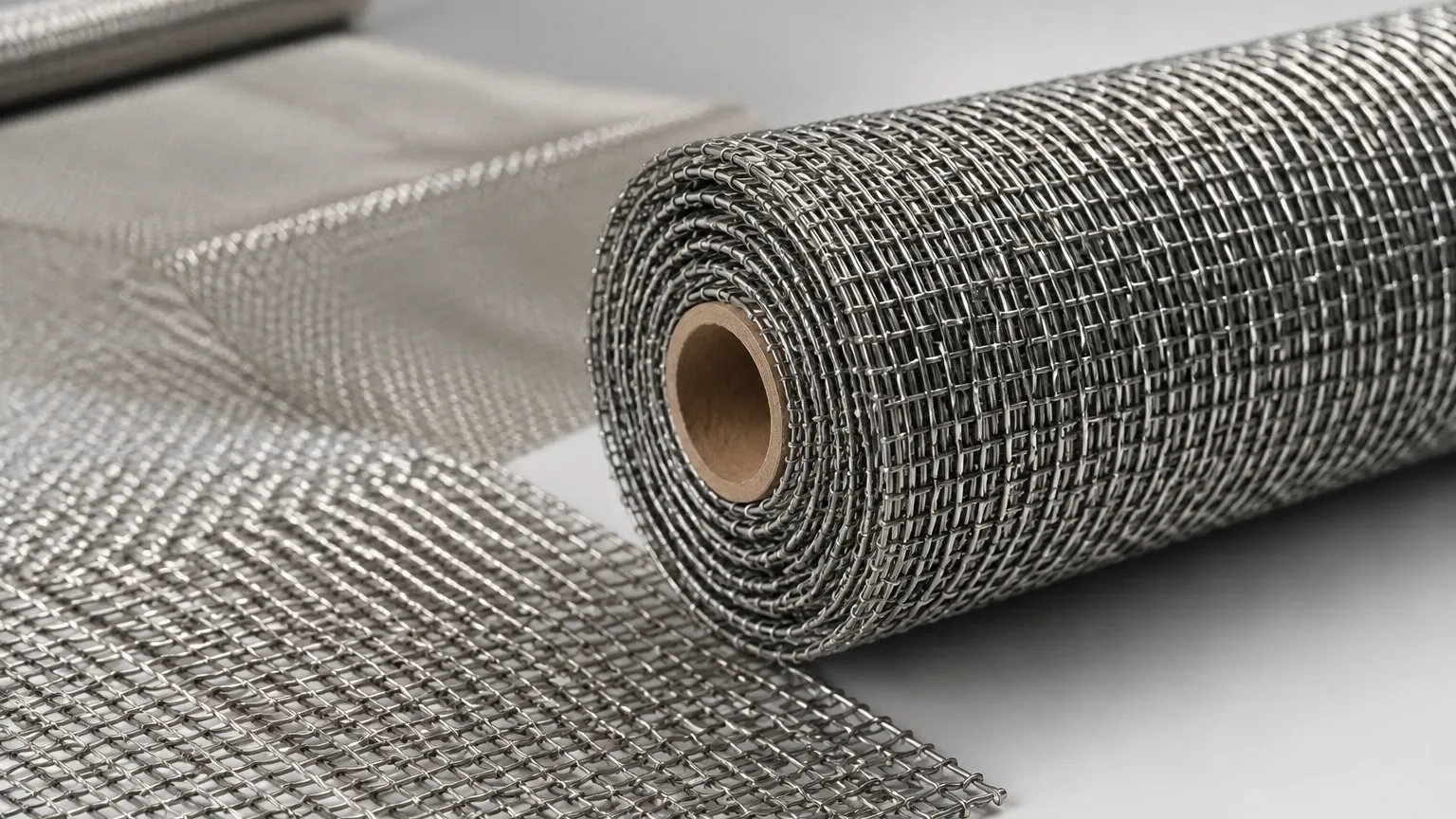
Woven wire mesh is a highly versatile material produced by weaving metallic wires on industrial looms. Unlike welded wire, which relies on spot welds at intersections, woven wire maintains its integrity through the mechanical tension of the weave itself. This allows for greater flexibility and resistance to thermal expansion and contraction, which is critical in industrial settings.
When specifying a woven wire fence 47 or similar mesh panels, engineers must look beyond the dimensions and evaluate the following three core variables:
1. Wire Diameter (Gauge): This determines the physical strength and impact resistance of the mesh. In heavy-duty industrial fencing or safety guards, thicker gauges are required to withstand mechanical stress.
2. Mesh Count: The number of wires per linear inch. For structural applications like fencing, the mesh count is lower (larger openings), whereas for filtration, the mesh count is significantly higher.
3. Aperture (Open Area): This defines the size of the clear opening between wires. It is a critical factor for airflow in safety partitions or particle size retention in filtration systems.
Material Selection: The Superiority of Stainless Steel
While galvanized steel is common in standard agricultural fencing, industrial-grade applications demand materials that can survive corrosive environments, high temperatures, and rigorous cleaning protocols. Kaifil specializes in high-performance alloys that provide a lower total cost of ownership through extended service life.
Stainless Steel 304
As the most common grade, SS304 offers excellent corrosion resistance against most oxidizing acids. It is the standard choice for industrial safety barriers and general-purpose filtration where extreme chemical exposure is not a primary concern.
Stainless Steel 316L
For marine environments, chemical processing plants, or pharmaceutical facilities, SS316L is the preferred specification. The addition of molybdenum provides superior resistance to chlorides and pitting corrosion. In applications involving a woven wire fence 47 used as an intake screen in water treatment, 316L is essential to prevent premature structural failure.
Weave Types and Their Functional Roles
The method by which the wires are interlaced dictates the mesh’s behavior under load and its filtration precision. For a 47-inch panel or roll, the weave type must align with the intended mechanical application.
Plain Weave
This is the most straightforward construction, where each warp wire crosses alternately over and under each shute wire. It provides the most consistent aperture size and is ideal for safety partitions and standard industrial screening.
Twill Weave
In a twill weave, each warp wire passes alternately over and under two shute wires. This allows for the use of heavier wire diameters in a given mesh count, increasing the overall strength of the panel without sacrificing the mesh's flexibility. This is often used in heavy-duty industrial enclosures.
Dutch Weave (Plain and Twill)
Dutch weaves utilize different wire diameters for the warp and shute. This results in a much tighter, denser mesh that is primarily used for high-pressure filtration. While less common for a "fence" in the traditional sense, these weaves are used in 47-inch wide industrial filter belts and dewatering screens.
Technical Specifications for Woven Wire Fence 47
When ordering 47-inch woven wire mesh for industrial use, the following technical parameters should be confirmed with the manufacturer to ensure the product meets the application's safety and performance standards:
* Tensile Strength: The wire must have sufficient tensile strength to resist sagging over a 47-inch span. High-tensile stainless steel ensures the mesh remains taut between support posts.
* Edge Treatment: For industrial safety, edges should be knuckled or welded into a frame. Raw edges on a woven wire fence 47 can pose a safety risk and lead to unraveling under vibration.
* Dimensional Stability: The weave must be tight enough that the wires do not shift or "rack" during installation or operation. This is particularly important for mesh used in machinery guarding.
Applications in Industrial Filtration and Safety
The utility of 47-inch woven wire mesh extends across multiple sectors, each with specific engineering requirements.
1. Industrial Safety and Machine Guarding
In manufacturing plants, a woven wire fence 47 is often used to create a physical barrier around automated equipment. The 47-inch height is a standard ergonomic height for waist-level guarding that allows for visibility while preventing unauthorized access to moving parts. Using stainless steel mesh ensures these guards do not rust or degrade in wash-down environments.
2. Water Treatment and Intake Screens
Large-scale water filtration systems often require intake screens that can handle high flow rates while excluding debris. Woven wire mesh panels, often cut to 47-inch widths, are mounted in frames to serve as the first line of defense in industrial water treatment. The precision of the weave ensures that the particle cutoff remains consistent across the entire surface area.
3. Chemical and Petrochemical Processing
In these industries, mesh is used for catalyst support, tray liners, and filtration. The mesh must withstand extreme pH levels and temperatures. Woven wire mesh in SS316L provides the necessary chemical passivity to prevent contamination of the process stream.
Evaluating Total Cost of Ownership (TCO)
When procurement teams evaluate woven wire fence 47 options, the initial purchase price is only one component of the total cost. A B2B purchasing decision should be based on the following factors:
* Maintenance Requirements: Stainless steel mesh requires significantly less maintenance than carbon steel or galvanized alternatives, which may require periodic painting or rust treatment.
* Replacement Cycles: A high-quality SS316L mesh can last decades in environments where cheaper materials fail in months. This reduces downtime and labor costs associated with frequent replacements.
* Operational Efficiency: In filtration applications, the precision of the weave affects pressure drop and flow rates. A high-quality woven wire mesh ensures optimal throughput, reducing energy costs for pumps and compressors.
Customization and OEM Capabilities
Industrial projects rarely fit a "one-size-fits-all" model. As a professional manufacturer, Kaifil provides extensive customization options for woven wire mesh to meet specific project requirements.
If your project requires a woven wire fence 47 with specific aperture requirements, non-standard wire diameters, or specialized alloys, OEM manufacturing is the most reliable route. Customization allows for the integration of reinforced edges, specific roll lengths to minimize waste, and precision-cut panels that arrive ready for installation.
Common Risks in Mesh Selection
Engineers should be aware of common pitfalls when specifying woven wire products:
1. Inaccurate Alloy Verification: Not all "stainless steel" is created equal. Lack of material certification can lead to rapid corrosion if a lower-grade alloy is substituted for SS316L in a corrosive environment.
2. Improper Mesh-to-Frame Attachment: If the mesh is not properly secured to its 47-inch frame, the tension can cause the wires to pull out, leading to structural failure.
3. Ignoring Open Area Requirements: In safety guarding, if the open area is too small, it may restrict airflow and cause equipment to overheat. Conversely, if the aperture is too large, it may not meet safety standards for finger or hand protection.
Conclusion
Whether used as a structural woven wire fence 47 for facility safety or as a high-precision component in a filtration system, woven wire mesh is a critical engineered material. By focusing on the material grade, weave mechanics, and specific application environment, technical professionals can ensure they select a solution that provides both safety and durability.
For those seeking reliable, high-performance filtration and mesh solutions, partnering with a manufacturer that understands the complexities of industrial environments is paramount. Kaifil’s expertise in stainless steel wire mesh ensures that every roll or panel meets the stringent demands of modern industry.
Review product options and application support to find the ideal mesh specification for your next industrial project.
