


Woven Wire Fence Gripple: Engineering Principles and Selection for Industrial Mesh Systems
In the realm of structural and industrial mesh applications, maintaining the integrity of a tensioned system is paramount. The woven wire fence gripple represents a critical mechanical solution for joining and tensioning wire, ensuring that the structural load is distributed evenly across the installation. While often associated with agricultural fencing, the engineering principles behind the Gripple system are highly relevant to industrial sectors that utilize high-tensile Woven Wire Mesh for security, filtration support, and perimeter reinforcement.
For engineers and procurement professionals, understanding the interaction between mechanical fasteners and the physical properties of the wire mesh is essential. Selecting the wrong tensioning component or failing to account for material compatibility can lead to premature structural failure, localized corrosion, or the loss of mesh aperture precision. This guide explores the technical specifications, material considerations, and engineering best practices for utilizing the woven wire fence gripple in professional environments.
The Mechanics of the Woven Wire Fence Gripple
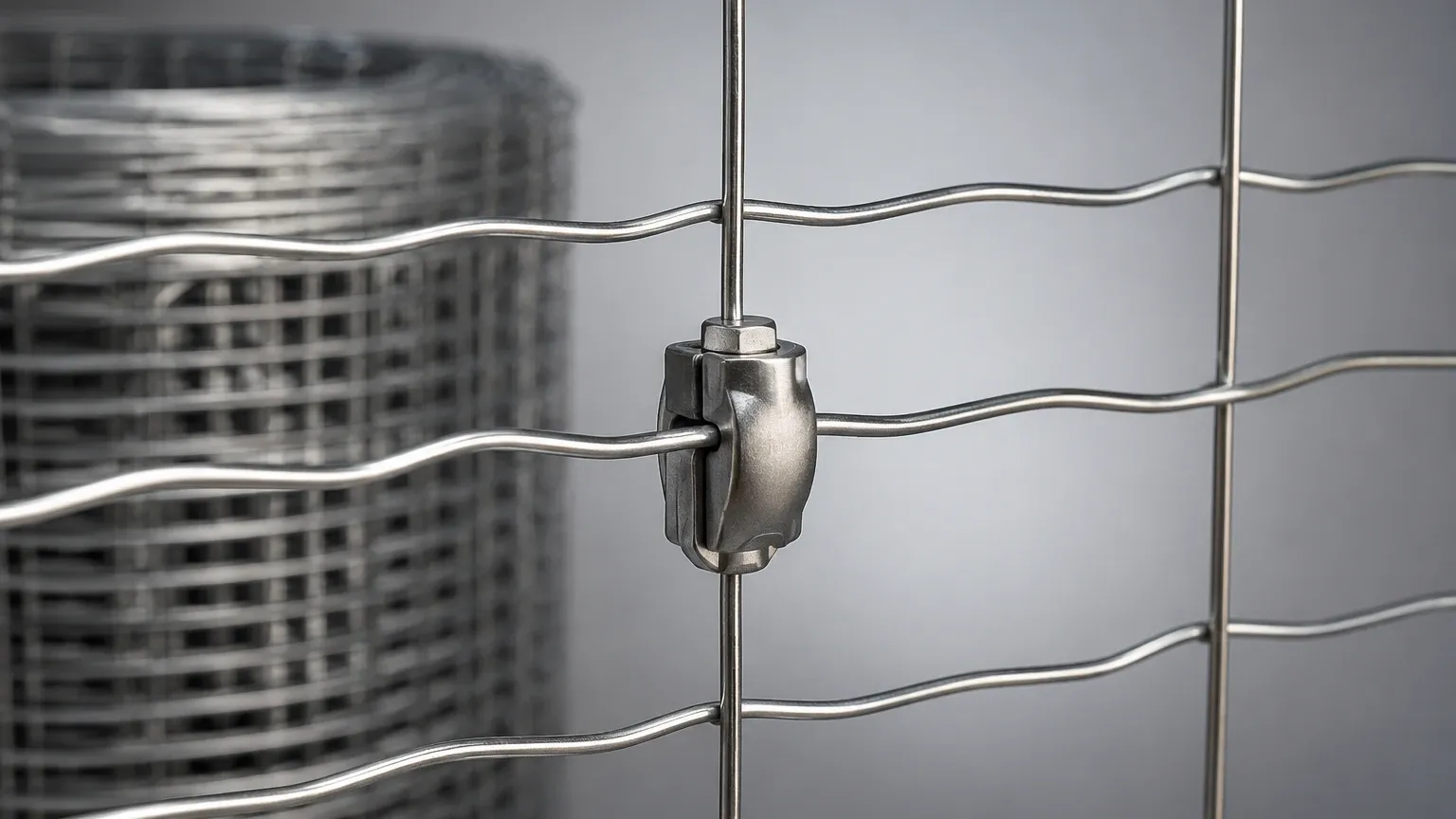
A Gripple is a mechanical device designed to replace traditional wire knots and crimps. Its internal mechanism typically consists of a ceramic or high-strength alloy roller system housed within a zinc or stainless steel casing. When a wire is inserted into the device, the rollers allow it to move in one direction but lock firmly when tension is applied in the opposite direction.
Tensile Load Distribution
In a woven wire fence gripple application, the device must withstand the constant pull of the wire. High-tensile woven wire systems often operate under significant loads to prevent sagging and to maintain the geometric stability of the mesh. The internal rollers provide a "bite" into the wire surface, which is why the hardness of the roller material must exceed the hardness of the wire itself to prevent slippage.
Re-tensioning Capabilities
Unlike permanent crimps or manual knots, the Gripple system allows for post-installation adjustments. Over time, environmental factors such as thermal expansion and contraction or structural settling can cause wire mesh to lose its initial tension. The ability to re-tension the system without cutting or replacing the mesh reduces long-term maintenance costs and ensures the longevity of the installation.
Material Compatibility and Corrosion Resistance
When specifying components for industrial Woven Wire Mesh systems, material synergy is the most significant factor in preventing galvanic corrosion. Kaifil specializes in stainless steel solutions, and the same rigor applied to filtration media must be applied to the fastening hardware.
Stainless Steel vs. Galvanized Steel
Most woven wire fence gripples are manufactured from zinc alloys or specialized plastics with metallic internals. However, if the mesh itself is constructed from SS304 or SS316L, using a standard galvanized Gripple can create a galvanic cell. In the presence of moisture, the less noble metal (the zinc in the Gripple) will corrode at an accelerated rate, eventually leading to a mechanical failure of the joint.
For industrial applications in corrosive environments—such as chemical processing plants or coastal installations—it is imperative to use stainless steel tensioning components that match the grade of the mesh. SS316L is particularly recommended for its superior resistance to chloride-induced pitting, a common issue in both filtration and outdoor structural applications.
Chemical Exposure
In industrial settings, the woven wire fence gripple may be exposed to cleaning agents, process chemicals, or atmospheric pollutants. Engineers must verify that the internal lubricant and the ceramic rollers within the Gripple are chemically compatible with the environment. Failure to do so can lead to the "freezing" of the internal mechanism, making future adjustments impossible.
Engineering Considerations for Mesh Stability
The primary function of tensioning a woven wire system is to maintain the "aperture" or the size of the openings within the mesh. In filtration and separation tasks, any distortion in the mesh weave can lead to bypass or inconsistent flow rates. Even in fencing applications, maintaining the correct tension is vital for the safety and security of the perimeter.
Wire Gauge and Gripple Sizing
Gripples are categorized by the wire diameters they can accommodate. Using a Gripple designed for a 2.0mm wire on a 4.0mm wire will lead to immediate mechanical failure, while using a large Gripple on a thin wire may result in insufficient grip. Professionals must cross-reference the wire gauge of their Plain, twill and dutch woven wire mesh in SS304/316L — rolls, cut mesh and framed panels. Send mesh count or micron target for a technical quote. with the manufacturer’s load ratings for the tensioning device.
Impact of Weave Type on Tensioning
* Plain Weave: Generally easier to tension as the wires follow a simple over-under pattern. The woven wire fence gripple can be used effectively on the horizontal line wires.
* Dutch Weave: Often used in high-pressure filtration, these meshes are much denser. Tensioning these requires specialized frames rather than individual wire gripples, as the wire count is too high for individual mechanical fasteners.
* High-Tensile Fencing: Specifically designed for use with Gripples, these systems utilize fewer, thicker wires that require high-load tensioning to remain effective.
Installation Best Practices and Tooling
To achieve the rated strength of a woven wire fence gripple, specific installation tools and techniques must be employed. Manual tensioning is rarely sufficient for industrial-grade installations.
Using Tensioning Tools
A dedicated tensioning tool (often called a Gripple Torq Tool) allows the installer to apply a consistent, measurable amount of force to the wire. This is critical in large-scale projects where uniform tension across multiple wire strands is necessary to prevent the support posts from leaning or the mesh from warping.
Setting the Load
Engineers should specify the required tension in Newtons (N) or Kilograms-force (kgf) based on the wire material's yield strength. Over-tensioning can exceed the elastic limit of the stainless steel wire, leading to permanent deformation or "necking," which significantly weakens the mesh. Conversely, under-tensioning allows for excessive vibration and mechanical wear at the contact points of the weave.
Termination and Splicing
The Gripple serves two primary roles: splicing two ends of wire together and terminating a wire at a post. For termination, the wire is looped around the anchor point and passed back through the Gripple. This creates a secure, adjustable loop that distributes the load around the anchor, reducing the stress concentration on the wire itself.
Common Risks and Mitigation Strategies
While the woven wire fence gripple is a highly reliable component, certain risks must be managed during the design and installation phases.
1. Vibration Fatigue: In industrial environments near heavy machinery, constant vibration can cause the internal rollers of a tensioner to wear against the wire. Using vibration-dampening mounts or ensuring the mesh is tensioned to its optimal frequency can mitigate this.
2. Abrasive Wear: If the wire mesh is used in a filtration capacity where abrasive particles are present, the particles can enter the Gripple housing and interfere with the locking mechanism. In these cases, protective caps or sealed tensioning systems are required.
3. Thermal Cycling: Stainless steel has a specific coefficient of thermal expansion. In outdoor applications, the difference between summer and winter temperatures can significantly alter the tension in the mesh. The adjustable nature of the Gripple is a primary defense against this, but it requires a scheduled maintenance program to check and adjust tension semi-annually.
Information to Confirm Before Procurement
Before purchasing a woven wire fence gripple or the associated Woven Wire Mesh, technical teams should confirm the following data points to ensure application success:
* Wire Diameter and Material: Ensure the Gripple is rated for the specific alloy (e.g., SS304 vs. SS316) and the exact gauge of the wire.
* Maximum Working Load: Determine the expected environmental loads (wind, snow, physical impact) and select a Gripple with an appropriate safety factor (typically 2:1 or 3:1).
* Environmental Conditions: Identify if the installation is in a marine, acidic, or high-temperature environment to dictate the necessary corrosion resistance levels.
* Tooling Requirements: Confirm if the existing maintenance team has the specific tensioning tools required for the chosen Gripple model.
Conclusion
The integration of a woven wire fence gripple into an industrial mesh system offers a blend of mechanical efficiency and long-term maintainability. By moving away from traditional tie-wire methods and embracing engineered tensioning solutions, facilities can ensure their Woven Wire Mesh installations remain secure, precise, and durable. Whether the application is a high-security perimeter or a structural support for industrial filtration media, the selection of the correct tensioning hardware is as critical as the selection of the mesh itself. Focusing on material compatibility, precise load calculation, and proper installation techniques will result in a system that performs reliably under the most demanding industrial conditions.
