


5 Cup Coffee Filter Packs
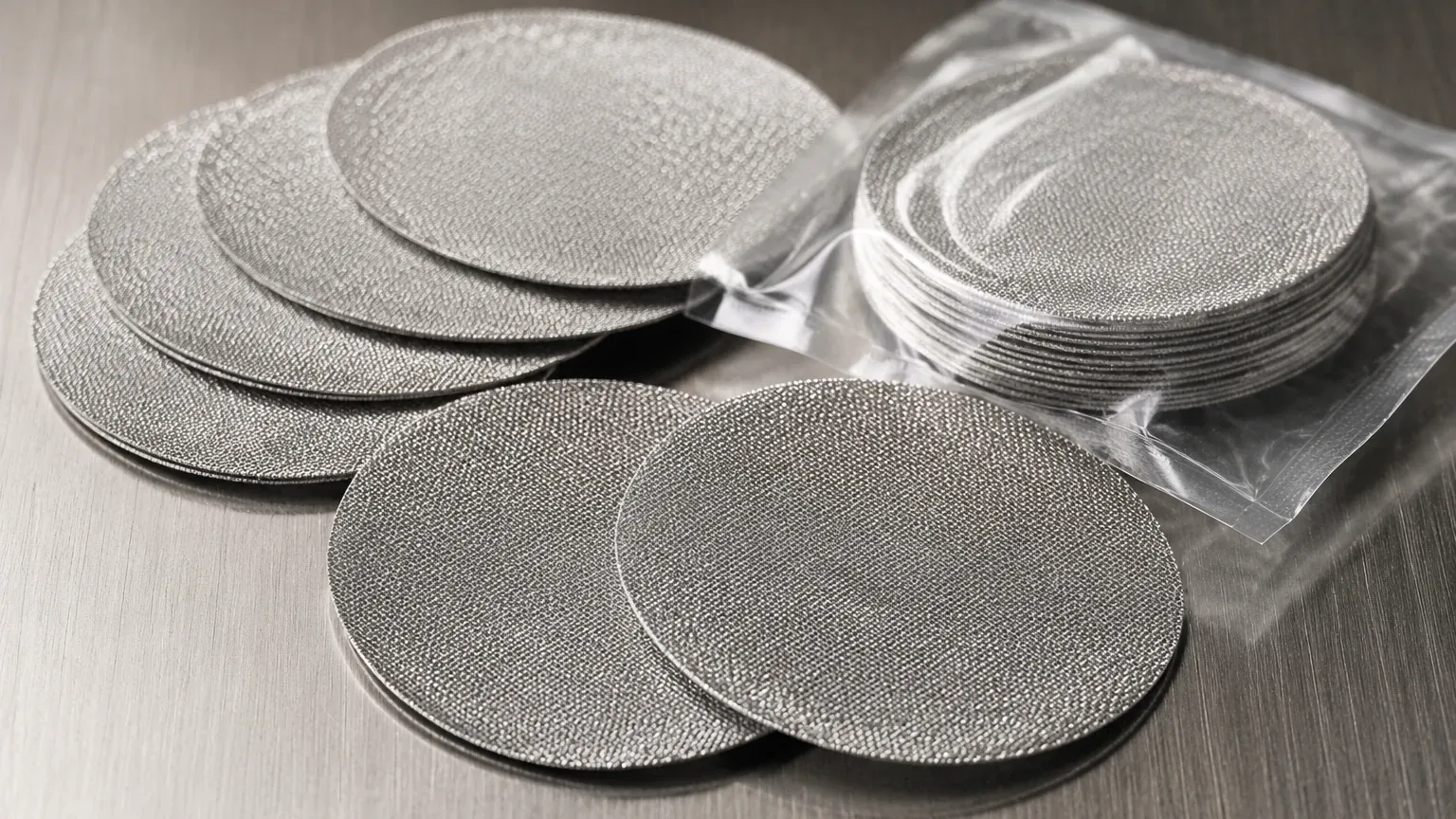
In the commercial and industrial brewing sector, the demand for precision, repeatability, and sustainability has shifted the focus from disposable paper solutions toward permanent metal filtration components. While the term "5 cup coffee filter packs" often brings to mind pre-measured paper pouches for consumer use, in the context of original equipment manufacturing (OEM) and industrial food service equipment, it refers to the precision-engineered stainless steel discs and multi-layer packs designed to fit 5-cup brewing systems. These components are critical for achieving consistent extraction profiles, managing sediment, and ensuring the longevity of commercial brewing hardware.
For engineers and procurement teams, selecting the right filtration medium involves a deep dive into material science, fluid dynamics, and mechanical durability. High-quality metal Filter Discs & Packs provide the structural integrity and filtration accuracy required for high-volume environments where paper filters fail to meet performance or environmental standards.
Material Science in Metal Coffee Filtration
The performance of a 5 cup coffee filter pack is primarily dictated by the alloy used in its construction. In industrial food and beverage applications, stainless steel is the gold standard due to its corrosion resistance and inert nature.
Stainless Steel 304 vs. 316L
Most standard commercial filters utilize Type 304 stainless steel, which offers excellent durability and resistance to oxidation. However, for applications involving more acidic coffee profiles or frequent exposure to harsh cleaning chemicals, Type 316L is often specified. The addition of molybdenum in 316L provides superior resistance to pitting and chloride-induced stress corrosion cracking. For an OEM manufacturer, choosing 316L ensures that the filter pack will maintain its structural integrity over thousands of brew cycles without leaching metallic flavors into the beverage.
Food-Grade Compliance
Industrial filters must adhere to strict regulatory standards, such as FDA or EU food contact regulations. This involves not only the metal itself but also any lubricants used during the wire drawing or weaving process. High-end metal filter packs undergo ultrasonic cleaning and passivation to ensure they are free from manufacturing residues, providing a "clean" start for the brewing process.
Engineering the Structure of Filter Discs & Packs
A 5 cup coffee filter pack is rarely a single layer of mesh. To balance filtration fineness with mechanical strength, engineers often design multi-layer structures. These are typically categorized into spot-welded packs or sintered mesh discs.
Multi-Layer Mesh Packs
In a multi-layer configuration, a fine filtration mesh is sandwiched between coarser support layers. The fine mesh (often a Dutch weave or high-count plain weave) determines the micron rating, while the coarse layers provide the rigidity necessary to withstand the pressure of the brewing water. These layers are typically secured at the edges using spot welding or a metal rim (binding). This prevents the layers from separating during cleaning or under the thermal expansion cycles of the brewing process.
Sintered Metal Discs
For the most demanding applications, sintered wire mesh is used. Sintering involves bonding multiple layers of mesh together using heat and pressure without the use of binders. This creates a monolithic structure that is incredibly durable and impossible to delaminate. Sintered discs are ideal for 5-cup systems that utilize high-pressure extraction, as they maintain a perfectly flat profile and consistent pore distribution even under significant mechanical stress.
Filtration Accuracy and Micron Ratings
The primary functional goal of 5 cup coffee filter packs is to control the passage of "fines"—microscopic coffee particles that can cause over-extraction and bitterness—while allowing essential oils (lipids) to pass through. This is where metal filters significantly differ from paper.
Managing the Micron Rating
Paper filters generally provide very fine filtration, often trapping most oils and nearly all fines. This results in a "clean" but sometimes thin cup. Metal filter packs are typically engineered with micron ratings ranging from 50 to 150 microns.
* 50-75 Microns: Provides a very clean cup, similar to paper, but allows some oils to pass, enhancing the mouthfeel.
* 100-150 Microns: Allows more sediment and oils, preferred for full-bodied brewing styles.
For an industrial designer, the choice of micron rating must be balanced against the flow rate (permeability). A mesh that is too fine may lead to "ponding" or overflow in a 5-cup basket if the water delivery rate exceeds the filter's throughput capacity.
Edge Treatments and Sealing Mechanisms
In a 5-cup brewing system, the bypass of unfiltered water is a common failure point. If the filter disc does not fit perfectly within the basket, water will take the path of least resistance around the edges, carrying grounds into the final carafe.
Precision Stamping and Tolerances
OEM components require tight dimensional tolerances. Filter discs are typically produced using precision stamping or laser cutting to ensure the diameter is accurate within microns.
Edge Binding Options
To improve sealing and handling safety, several edge treatments are available:
1. Raw Edge: The mesh is cut and left as-is. This is cost-effective but can leave sharp wires and is prone to fraying over time.
2. Wrapped/Hemmed Edge: The edges are folded over, providing a smooth finish and extra rigidity.
3. Metal Rim (Binding): An aluminum or stainless steel U-shaped channel is crimped around the circumference. This provides the best seal and makes the disc easy for operators to insert and remove.
4. Rubber/Silicone Gaskets: In some high-pressure 5-cup systems, a food-grade silicone rim is over-molded onto the metal disc to provide a hermetic seal against the brew basket wall.
Economic and Environmental Considerations for B2B Buyers
When evaluating 5 cup coffee filter packs for commercial use, the Total Cost of Ownership (TCO) is a more relevant metric than the initial purchase price. While a stainless steel filter pack has a higher upfront cost than a box of paper filters, the long-term savings are substantial.
Durability and Replacement Cycles
A well-maintained stainless steel filter pack can last for several years in a commercial setting. In contrast, a high-volume cafe or office using a 5-cup brewer may go through thousands of paper filters annually. By switching to permanent metal components, businesses eliminate the recurring cost of disposables and the logistical burden of managing inventory.
Waste Reduction
Sustainability is a key driver in modern equipment design. Using permanent metal filter packs aligns with corporate social responsibility (CSR) goals by eliminating the solid waste associated with used paper filters and their packaging. Furthermore, stainless steel is fully recyclable at the end of its long service life.
Maintenance and Cleaning Protocols
For industrial and commercial users, the ease of cleaning is a critical factor in operational efficiency. Coffee oils can become rancid over time, and fine particles can clog the mesh pores (blinding).
Cleaning Methods
* Daily Rinsing: Most metal 5-cup filters can be cleared of spent grounds with a simple high-pressure water rinse.
* Chemical Soaking: Periodic soaking in a coffee-specific detergent (such as a backflush powder) dissolves accumulated lipids and proteins.
* Ultrasonic Cleaning: In heavy-duty industrial applications, ultrasonic baths are used to vibrate trapped particles out of the deep layers of a multi-layer filter pack, restoring the original flow rate.
Engineers must consider the mesh geometry when defining cleaning protocols. For example, a Plain Dutch Weave may require more intensive cleaning than a simple Plain Weave due to its more complex, tortuous pore paths.
Customization for Specialized Brewing Equipment
No two commercial brewing systems are identical. Factors such as water temperature, pump pressure, and grind size distribution necessitate customized filtration solutions.
Manufacturers like Kaifil work closely with OEM partners to develop bespoke 5 cup coffee filter packs. This customization can include:
* Variable Mesh Density: Using different mesh counts in different areas of the disc to optimize flow.
* Integrated Support Structures: Adding cross-bars or perforated metal backing to prevent the mesh from sagging under the weight of wet grounds.
* Branding: Laser-etching part numbers or brand logos onto the metal rim for easy identification and replacement ordering.
By focusing on these technical details, engineers can ensure that their brewing equipment delivers a superior product while minimizing maintenance issues. High-performance metal filtration is not just a component; it is a critical variable in the science of extraction.
