


Filter 50s
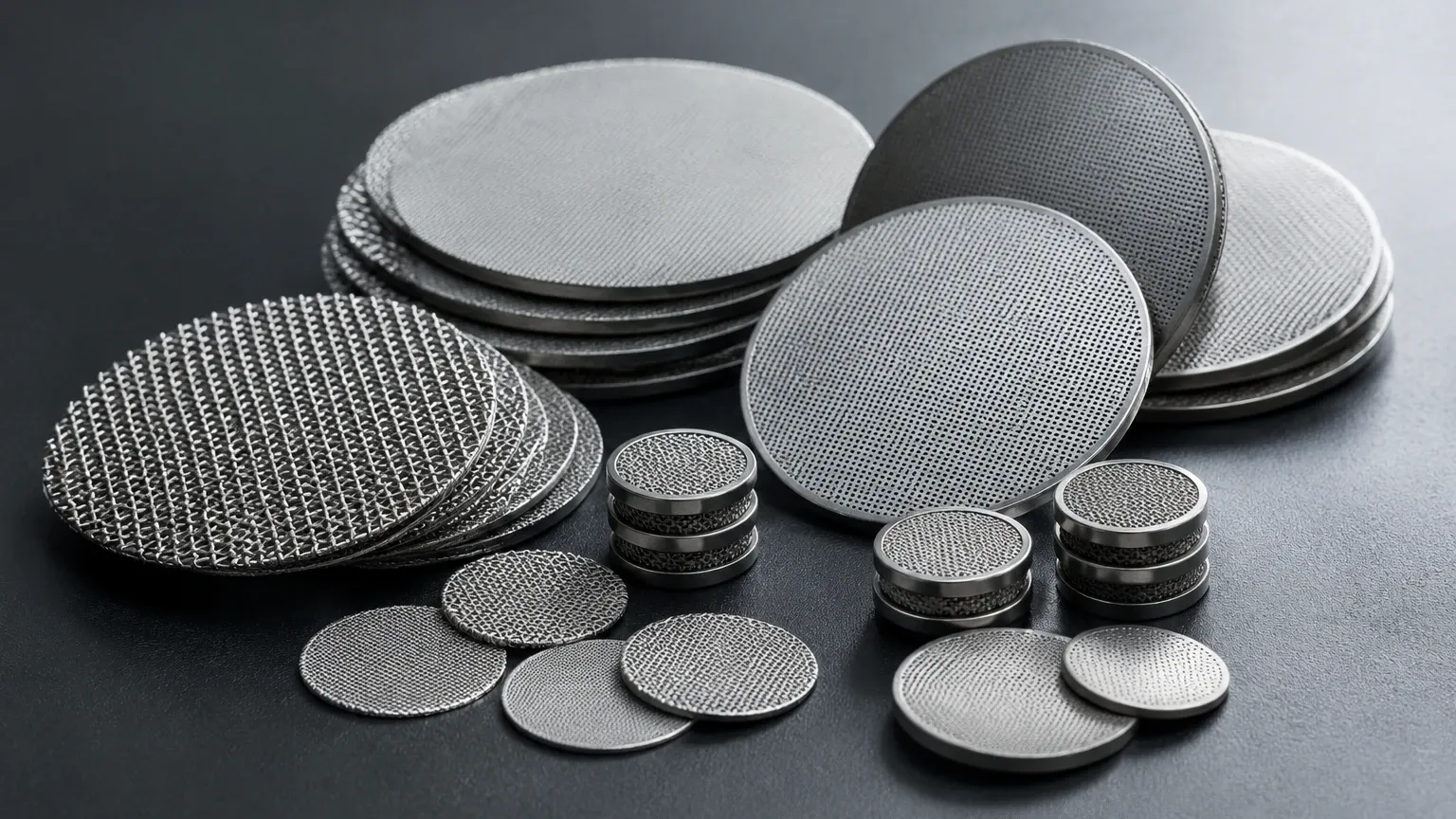
In the landscape of industrial filtration, precision and standardization are paramount. The term "filter 50s" typically refers to 50mm diameter filter discs and packs, a standard sizing widely utilized across laboratory testing, pilot plant operations, and specific industrial machinery. These components are essential in processes requiring high-pressure resistance, chemical stability, and precise particulate retention. As a critical subset of Filter Discs & Packs, these 50mm units serve as the frontline for fluid and gas purification in demanding environments.
Selecting the correct filter 50s involves more than just matching a diameter. Engineers must account for material compatibility, mesh weave patterns, layer configurations, and the structural integrity of the binding or rim. This guide examines the technical specifications and engineering considerations necessary for optimizing filtration performance using 50mm disc formats.
Engineering Specifications of Filter 50s
The construction of a 50mm filter disc determines its efficiency and longevity. While the diameter is fixed, the internal architecture varies significantly based on the application's pressure and filtration fineness requirements.
Material Selection
Stainless steel is the industry standard for filter 50s due to its exceptional mechanical properties. The two most common grades are:
* AISI 304: Suitable for general industrial use, offering good corrosion resistance and high-temperature tolerance.
* AISI 316L: Preferred for pharmaceutical, food and beverage, and highly corrosive chemical applications. The low carbon content and addition of molybdenum enhance resistance to pitting and crevice corrosion in chloride-rich environments.
Beyond stainless steel, specialized alloys like Monel, Inconel, or Hastelloy may be employed for extreme pH levels or temperatures exceeding 400°C.
Weave Types and Micron Ratings
The performance of filter 50s is defined by the wire mesh weave. The choice of weave impacts the flow rate, pressure drop, and the shape of the particles captured:
* Plain Weave: The most common and cost-effective, providing square openings for general screening.
* Dutch Weave: Utilizes thicker warp wires and thinner shute wires, resulting in a dense, strong mesh with high filtration accuracy. This is often used for high-pressure applications where the filter must maintain its shape under stress.
* Twilled Weave: Allows for a heavier wire in a given mesh count, providing increased strength for finer filtration tasks.
For filter 50s, micron ratings can range from 1 micron to several hundred microns, depending on whether the disc is intended for fine polishing or coarse pre-filtration.
Structural Configurations: Single vs. Multi-Layer Packs
Filter 50s are rarely used as single, flimsy sheets in industrial settings. Instead, they are engineered as robust components through layering.
Single Layer Discs
Single-layer filter 50s are typically used in low-pressure systems or as temporary strainers. They are easy to clean but lack the structural rigidity required for high-viscosity fluids or high-velocity gas streams.
Multi-Layer Filter Packs
To enhance performance, multiple layers of wire mesh are combined into a single pack. A typical 50mm pack might consist of:
1. Filtration Layer: The middle layer with the specific micron rating required for the process.
2. Support Layers: Coarser mesh layers on either side of the filtration layer to provide mechanical strength and prevent the fine mesh from deforming under pressure.
3. Drainage Layers: Ensure that the fluid distributes evenly across the entire surface area of the disc, preventing localized clogging.
These layers can be held together through spot welding at the edges or by a metal rim (binding), which ensures a leak-proof fit within the filter housing.
Applications in Industrial Processing
The 50mm diameter is a "sweet spot" for various specialized industrial processes. The versatility of filter 50s makes them indispensable in several sectors.
Polymer and Plastic Extrusion
In the production of synthetic fibers and plastic films, polymer melt must be filtered to remove impurities that could cause breakages or surface defects. Filter 50s are often used in "screen changers," where they are subjected to immense pressure. The multi-layer construction prevents the mesh from collapsing while maintaining a consistent flow of the viscous polymer.
Pharmaceutical and Laboratory Testing
Before scaling up a process, engineers use 50mm discs in pilot-scale pressure filters. This allows for accurate data collection on flow rates and pressure drops, which can then be extrapolated for larger production volumes. In the pharmaceutical industry, the use of 316L stainless steel ensures that no contaminants are leached into the product, maintaining high purity standards.
Hydraulic and Lubrication Systems
Precision hydraulic systems require the removal of microscopic wear particles to prevent valve failure. Filter 50s are integrated into high-pressure hydraulic lines as safety filters. Their compact size allows them to be placed directly before sensitive components, providing a final line of defense against particulate contamination.
Selection Criteria for Filter Discs & Packs
When specifying Filter Discs & Packs for a project, purchasing teams and engineers should evaluate the following technical parameters to ensure the chosen filter 50s are fit for purpose.
1. Pressure Drop (Delta P)
The resistance to flow across the filter medium is critical. A high initial pressure drop reduces the overall efficiency of the system and shortens the time between cleaning cycles. Engineers must balance the desired filtration fineness with the allowable pressure drop, often opting for a larger surface area or a specific Dutch weave to mitigate resistance.
2. Dirt Holding Capacity
This refers to the amount of contaminant the filter can retain before the pressure drop reaches a critical limit. Multi-layer packs generally offer superior dirt holding capacity compared to single layers because they provide depth filtration, trapping particles within the layers rather than just on the surface.
3. Edge Treatment and Sealing
For a 50mm disc to function correctly, it must seal perfectly within its housing. Raw edges can allow "bypass," where unfiltered fluid escapes around the sides. Common edge treatments include:
* Spot Welding: Keeps layers together for easy handling.
* Aluminum or Stainless Steel Rims: A metal U-binding is crimped around the edge, providing a gasket-like surface that ensures a tight seal and prevents fraying of the wire mesh.
4. Chemical and Thermal Compatibility
Operating temperatures and the chemical nature of the fluid (acidic, alkaline, or solvent-based) dictate the material grade. While stainless steel is versatile, certain processes involving hot concentrated acids may require more exotic alloys.
Manufacturing Processes and Customization
Manufacturing high-quality filter 50s requires precision cutting and assembly techniques to ensure dimensional accuracy. Customization is often necessary to meet the specific needs of a proprietary machine or a unique process.
Precision Cutting
To achieve an exact 50mm diameter with minimal tolerance, manufacturers use CNC punching or laser cutting. Laser cutting is particularly effective for complex shapes or when a clean, fused edge is required to prevent loose wires from entering the process stream.
Custom Layering Sequences
Every application has a unique contamination profile. Manufacturers can customize the sequence of mesh layers in a pack. For example, a pack might include a 20-micron layer for primary filtration, backed by a 100-mesh support layer and a 10-mesh drainage layer. This bespoke approach optimizes the filter for the specific viscosity and particle size distribution of the fluid.
Quality Control Measures
Reliable manufacturers implement rigorous quality checks, including:
* Bubble Point Testing: To verify the integrity of the mesh and the accuracy of the micron rating.
* Dimensional Inspection: Ensuring the diameter and thickness meet the specified tolerances for a perfect fit.
* Material Certification: Providing mill test reports (MTRs) to confirm the chemical composition of the stainless steel.
Performance Evaluation and Maintenance
The total cost of ownership for filter 50s is heavily influenced by their cleanability and replacement cycle. Unlike disposable synthetic filters, stainless steel discs are often reusable.
Cleaning Protocols
Depending on the contaminant, filter 50s can be cleaned using several methods:
* Ultrasonic Cleaning: High-frequency sound waves create cavitation bubbles that dislodge fine particles from deep within the mesh layers. This is the most effective method for multi-layer packs.
* Backwashing: Reversing the flow of fluid to push contaminants out of the mesh.
* Chemical Cleaning: Using solvents or detergents to dissolve organic or chemical deposits.
* Burn-off (Pyrolysis): For polymer applications, the filters are heated in a vacuum oven to carbonize the plastic, which is then removed via ultrasonic cleaning.
When to Replace
While durable, filter 50s eventually reach a point where cleaning no longer restores the original pressure drop. This is usually due to "blinding," where particles become permanently wedged in the weave, or mechanical fatigue from repeated pressure cycling. Establishing a clear replacement schedule based on pressure drop trends is essential for maintaining process stability.
Conclusion: Optimizing Your Filtration Strategy
Filter 50s are small but vital components in the industrial machinery ecosystem. By understanding the nuances of mesh weave, material grade, and pack construction, engineering teams can significantly improve the reliability of their filtration processes. Whether you are filtering polymer melts at high temperatures or conducting critical laboratory tests, the choice of 50mm discs and packs directly impacts product quality and operational efficiency.
When sourcing these components, it is crucial to work with a manufacturer that understands the technical demands of your specific industry. Precision in manufacturing and a deep knowledge of wire mesh behavior ensure that your Filter Discs & Packs provide consistent, dependable performance over their entire service life.
