


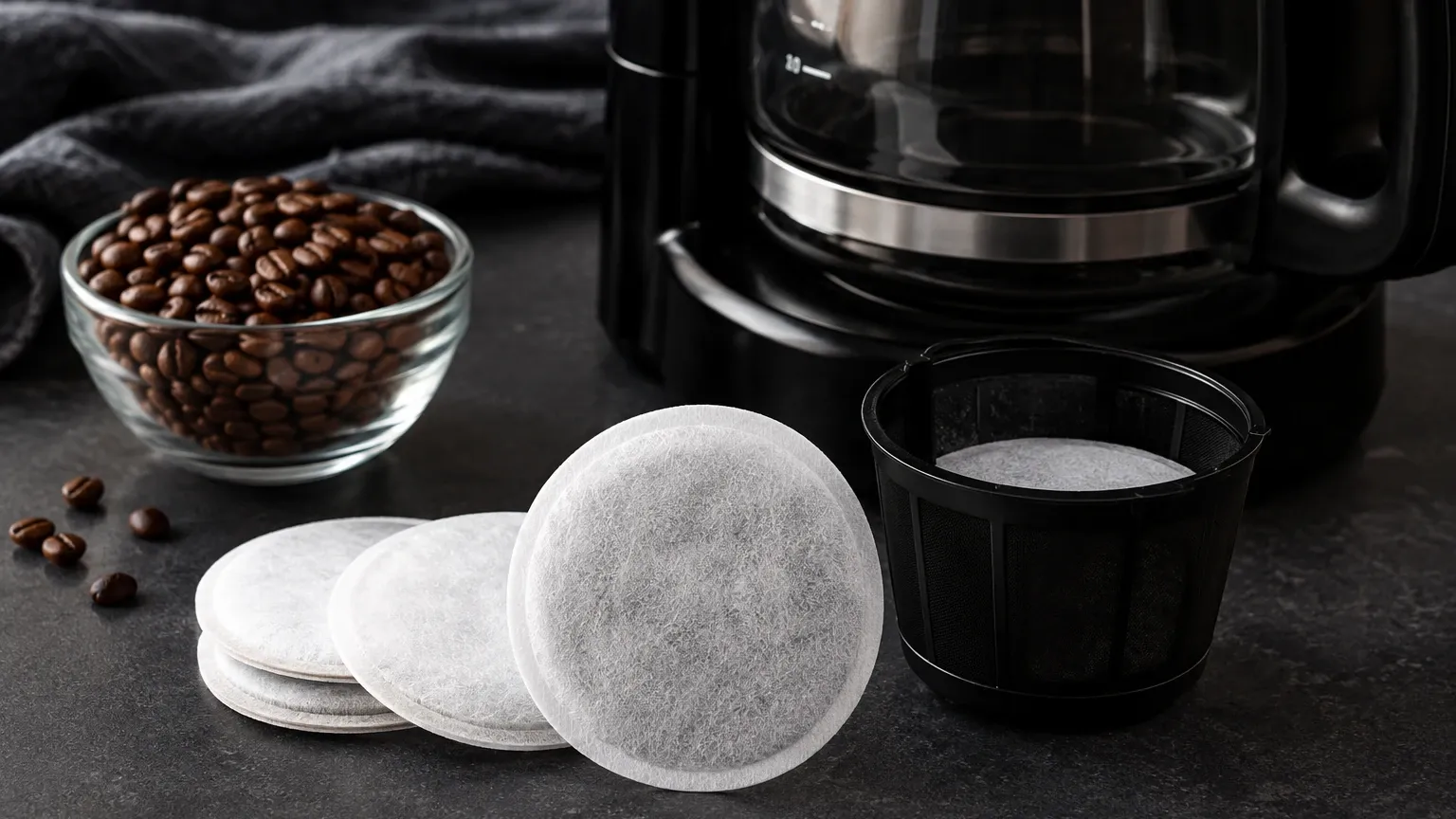
Mr Coffee Water Filter Replacement Discs
Filtration is a fundamental requirement in both consumer appliances and high-stakes industrial processes. While many users encounter the concept of disc-based filtration through consumer products like mr coffee water filter replacement discs, the engineering principles governing these components are foundational to large-scale liquid processing. In an industrial context, the transition from simple resin or carbon-based disposables to precision-engineered Filter Discs & Packs represents a significant shift toward durability, accuracy, and chemical compatibility.
For engineers and procurement professionals, understanding the mechanics of disc filtration is essential for optimizing flow rates, ensuring product purity, and managing the total cost of ownership. This article explores the technical nuances of filter discs, comparing consumer-grade applications with the rigorous demands of industrial filtration systems.
The Mechanics of Disc-Based Filtration
The primary function of a filter disc, whether used in a coffee machine or a chemical reactor, is to provide a physical barrier that captures contaminants while allowing the carrier fluid to pass through with minimal resistance. In consumer applications like mr coffee water filter replacement discs, the focus is often on chemical adsorption—using activated carbon to remove chlorine and organic compounds that affect taste.
In industrial environments, the focus shifts toward mechanical separation. Industrial filter discs are designed to handle specific particulate loads, high pressures, and varying temperatures. The geometry of the disc is particularly advantageous because it allows for a high surface area-to-volume ratio, making it easy to integrate into piping systems, valves, and specialized housing units.
Surface vs. Depth Filtration
Industrial filtration typically utilizes two methods:
1. Surface Filtration: Contaminants are trapped on the upstream side of the filter medium. This is common in wire mesh discs where the pore size is precisely controlled.
2. Depth Filtration: Particles are captured within the thickness of the filter medium. While some consumer discs use depth filtration via fiber pads, industrial systems use multi-layer sintered mesh or metal fibers to achieve high dirt-holding capacity.
Material Science: From Carbon to Stainless Steel
The most significant difference between consumer-grade filtration and B2B industrial solutions lies in the material composition. A standard coffee filter disc typically utilizes a non-woven fiber envelope containing activated carbon granules. These are effective for low-pressure, ambient-temperature water filtration but fail under industrial stress.
Stainless Steel and Specialty Alloys
For industrial Filter Discs & Packs, stainless steel (primarily grades 304, 316, and 316L) is the gold standard. The choice of material is dictated by the chemical nature of the fluid and the operating environment:
* 304 Stainless Steel: Suitable for general industrial use, offering good corrosion resistance and mechanical strength.
* 316L Stainless Steel: Preferred in pharmaceutical and food processing due to its superior resistance to pitting and crevice corrosion, especially in chloride-rich environments.
* Specialty Alloys: In highly corrosive chemical processing, materials like Hastelloy or Monel may be used to ensure the structural integrity of the filter disc over long production cycles.
Unlike disposable carbon discs, metal filter discs offer high thermal stability, allowing them to operate in cryogenic temperatures or high-heat environments exceeding 400°C.
Engineering Specifications for Industrial Filter Discs
When specifying Filter Discs & Packs for industrial applications, engineers must look beyond the simple "replacement" mindset of consumer goods. Several technical parameters define the performance and suitability of a filter disc:
Micron Rating and Filtration Accuracy
The micron rating defines the size of particles the filter can effectively remove. While a consumer water filter might have a broad range, industrial discs are manufactured with precision ratings ranging from 1 micron to several hundred microns. It is critical to distinguish between "nominal" and "absolute" ratings. An absolute rating ensures that 99.9% of particles at that size are captured, which is vital for protecting sensitive downstream equipment like high-pressure pumps or spray nozzles.
Structural Integrity and Sintering
In high-pressure applications, a single layer of wire mesh may lack the necessary rigidity. Industrial filter packs often utilize "sintering," a process where multiple layers of wire mesh are fused together under heat and pressure. This creates a porous metal plate that is incredibly strong, maintains its pore shape under stress, and can be backwashed or cleaned repeatedly without losing its structural integrity.
Flow Rate and Pressure Drop (Delta P)
Every filter introduces a resistance to flow, known as pressure drop. Engineers must balance filtration efficiency with the energy costs associated with pumping fluids through the filter. A well-designed industrial disc pack optimizes the weave pattern (such as Dutch weave or Twill weave) to maximize open area while maintaining the required micron retention.
Industrial Applications of Filter Discs & Packs
While the concept of a disc filter is popularized by items like mr coffee water filter replacement discs, the industrial applications are far more diverse and demanding.
Food and Beverage Processing
In large-scale beverage production, filtration is used not just for taste, but for shelf stability and clarity. Industrial filter discs are used to remove yeast, proteins, and fine particulates in beer, wine, and juice production. These discs must meet strict FDA or equivalent regulatory standards for food contact materials.
Chemical and Petrochemical Industry
Filter discs are essential for protecting catalysts and sensitive instrumentation from particulate contamination. In these environments, the ability to withstand aggressive solvents and high pressures is non-negotiable. Stainless steel filter packs are often used in the filtration of polymers and resins, where high viscosity requires a filter that will not deform under pressure.
Pharmaceuticals and Biotechnology
Precision is paramount in pharmaceutical manufacturing. Sintered metal filter discs are used for solvent recovery, active pharmaceutical ingredient (API) filtration, and gas sparging. The cleanability of stainless steel—often involving ultrasonic cleaning or chemical sterilization—makes it ideal for sterile environments where cross-contamination must be eliminated.
Hydraulic and Lubrication Systems
In heavy machinery, even microscopic metal shavings can cause catastrophic failure. Filter discs are integrated into hydraulic lines to protect valves and cylinders. These components must be able to handle rapid pressure spikes and maintain filtration efficiency over thousands of operating hours.
Selection Criteria for B2B Purchasing
For procurement teams, selecting the right filtration solution involves a comprehensive evaluation of the application's requirements. Unlike the simple task of buying mr coffee water filter replacement discs, industrial selection requires detailed technical data.
1. Chemical Compatibility: Does the filter material react with the process fluid? This includes considering the pH levels and the presence of oxidizing agents.
2. Operating Temperature and Pressure: What are the maximum and continuous operating conditions? Sintered packs are often required for high-differential pressure scenarios.
3. Cleaning and Reusability: Is the process batch-based or continuous? If the filter can be cleaned and reused, the initial higher cost of a stainless steel disc is offset by the elimination of frequent replacement costs and reduced waste.
4. Customization Requirements: Many industrial housings require non-standard diameters, thicknesses, or edge treatments (such as aluminum or stainless steel binding) to ensure a leak-proof seal.
The Advantages of Custom OEM Filtration Solutions
Working with a specialized manufacturer like Kaifil allows companies to move beyond off-the-shelf components. Customization is often necessary to solve specific engineering challenges, such as optimizing a filter pack for a proprietary chemical process or designing a disc that fits into a legacy machinery housing.
Custom Filter Discs & Packs can be tailored in terms of mesh count, layer orientation, and outer rim construction. For example, adding a solid metal border to a mesh disc can provide the necessary compression surface for a gasket, ensuring that no fluid bypasses the filter medium. This level of precision is what separates industrial-grade filtration from the disposable discs found in home appliances.
Conclusion
While the search for mr coffee water filter replacement discs highlights a common need for clean water, the industrial reality of filtration is far more complex. For technical professionals, the choice of filter discs is a critical decision that impacts production efficiency, product quality, and equipment longevity. By focusing on material science, micron precision, and structural durability, industrial operations can achieve reliable filtration performance that far exceeds the capabilities of consumer-grade disposables.
Whether you are managing a chemical plant, a food processing line, or a hydraulic system, investing in high-quality stainless steel Filter Discs & Packs ensures that your process remains protected against contaminants while maintaining the flow characteristics necessary for peak performance.
