


Oil Filter Disc
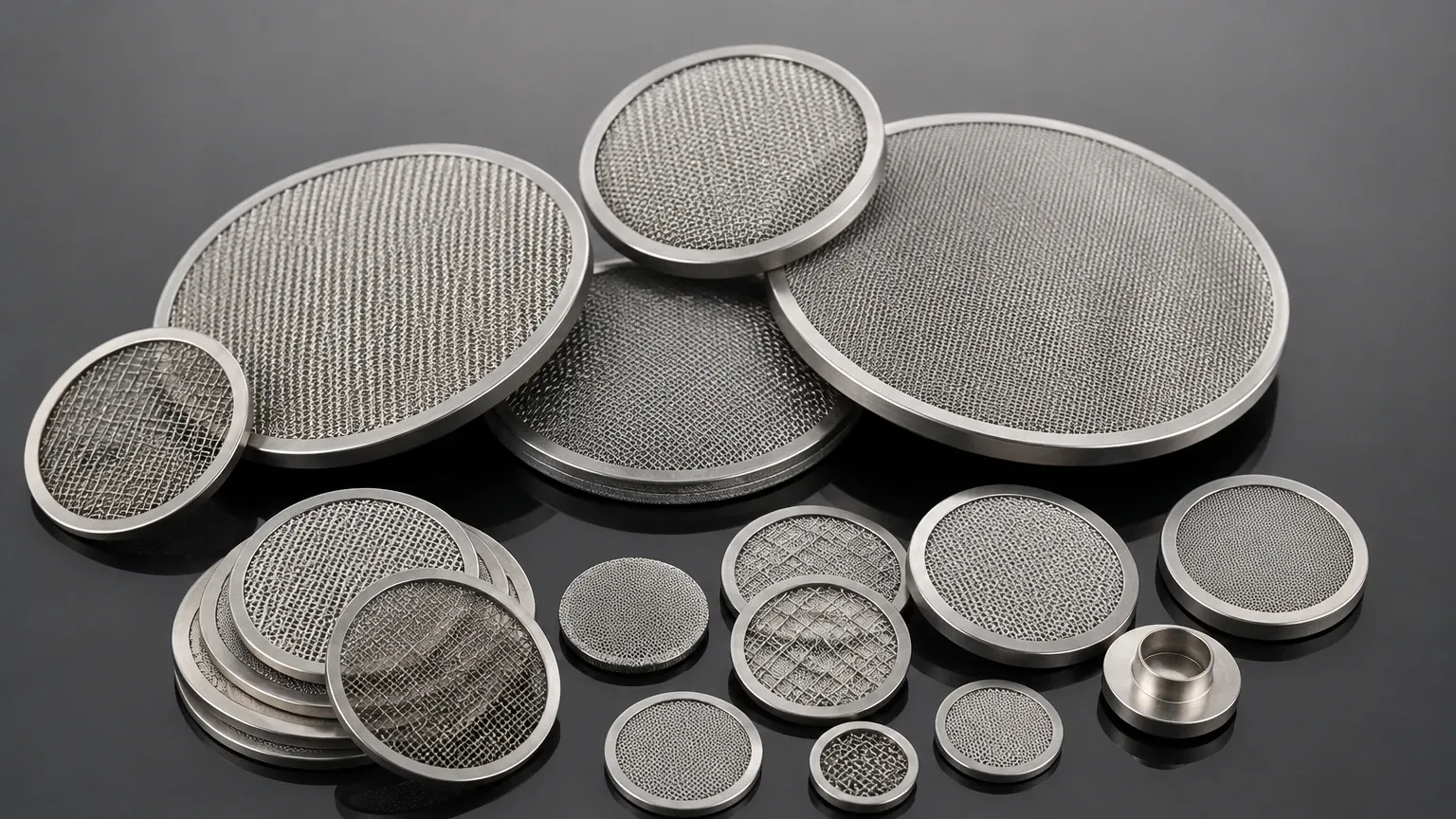
In industrial machinery, the integrity of lubrication and hydraulic systems is paramount to operational uptime. At the heart of these systems is the oil filter disc, a precision-engineered component designed to remove particulate contaminants from oils and fluids. Unlike standard disposable filters, stainless steel filter discs offer a combination of high mechanical strength, thermal stability, and the ability to be cleaned and reused, making them a preferred choice for demanding B2B applications in chemical processing, power generation, and heavy hydraulic systems.
Selecting the right oil filter disc requires a deep understanding of fluid dynamics, material science, and the specific environmental conditions of the application. This guide explores the technical nuances of Filter Discs & Packs, providing engineers and purchasing teams with the information needed to optimize filtration performance and reduce total cost of ownership.
Understanding the Role of the Oil Filter Disc in Industrial Systems
Oil serves multiple purposes in industrial equipment: it reduces friction, dissipates heat, and carries away debris. However, as oil circulates, it inevitably becomes contaminated with metal shavings from component wear, airborne dust, and chemical byproducts like sludge or varnish. An oil filter disc acts as a stationary barrier that captures these particles before they can reach sensitive components like bearings, valves, or high-pressure pumps.
In hydraulic systems, even microscopic particles can cause "stiction" in valves or abrasive wear in pumps. The use of a high-precision oil filter disc ensures that the fluid maintains a cleanliness level consistent with ISO 4406 standards. Because these discs are often integrated into complex manifolds or specialized housings, their design must account for both filtration efficiency and structural integrity under fluctuating pressures.
Engineering Considerations for Filter Discs & Packs
The performance of a filter disc is primarily determined by its construction material and the weave pattern of the wire mesh. For industrial oil filtration, stainless steel is the industry standard due to its resistance to corrosion and high temperatures.
Material Selection: 304 vs. 316L
While Type 304 stainless steel is suitable for many general-purpose oil applications, Type 316L is often specified for environments involving corrosive additives or high-moisture content. The "L" in 316L stands for low carbon, which improves weldability and prevents intergranular corrosion, a critical factor when the disc is part of a welded pack.
Wire Mesh Weave Patterns
The geometry of the mesh determines the filtration rating and the flow characteristics of the oil filter disc:
* Plain Weave: The most common and cost-effective, where wires cross over and under each other. It provides a high open area, which is ideal for low-viscosity oils and high flow rates.
* Twill Weave: Used for finer filtration, this pattern allows for a heavier wire diameter for a given mesh count, increasing the strength of the disc.
* Dutch Weave (Plain and Twill): These weaves feature a higher density of wires in one direction, creating a "tortuous path" for the oil. This is the preferred choice for high-pressure oil filtration where fine micron ratings (down to 5-10 microns) are required without sacrificing the structural rigidity of the mesh.
Design Variations: Single Layer vs. Multi-layer Packs
A single-layer oil filter disc may suffice for low-pressure, coarse filtration. However, most industrial applications require multi-layer Filter Discs & Packs to balance filtration accuracy with mechanical support.
The Multi-layer Advantage
In a multi-layer configuration, the "filtration layer" (the finest mesh) is sandwiched between coarser "support layers" and "drainage layers." This construction prevents the fine mesh from deforming under high differential pressure. The support layers also help distribute the fluid flow evenly across the entire surface of the disc, preventing localized clogging and extending the service life.
Edge Treatment and Assembly
To ensure bypass-free filtration, the edges of the discs must be securely sealed. Common methods include:
* Spot Welding: Ideal for simple packs where the layers must stay aligned during installation.
* Aluminum or Stainless Steel Edging: A metal rim is crimped around the circumference of the disc pack. This provides a robust sealing surface for gaskets and prevents the fraying of wire mesh edges, which could otherwise introduce metallic debris into the clean side of the system.
Performance Evaluation and Selection Criteria
When specifying an oil filter disc, engineers must evaluate several performance metrics to ensure the component will survive the intended duty cycle.
Micron Rating: Absolute vs. Nominal
A nominal rating indicates the ability of the disc to retain a majority of particles of a certain size, whereas an absolute rating (often derived from a glass bead test) indicates the size of the largest spherical particle that can pass through the mesh. For critical hydraulic systems, absolute ratings are typically required to ensure predictable protection.
Pressure Drop (Delta P)
As oil passes through the disc, a pressure drop occurs. This is influenced by the oil's viscosity, the flow velocity, and the open area of the mesh. A high initial pressure drop reduces the available system pressure and can lead to early bypass activation. Selecting a disc with an optimized weave pattern can minimize this resistance while maintaining the required filtration level.
Viscosity and Temperature
Oil viscosity changes significantly with temperature. A disc designed for a system operating at 80°C may cause excessive pressure drop during a cold start when the oil is thick. The mechanical design of the oil filter disc must account for these "cold start" pressure spikes to prevent the mesh from bursting or collapsing.
Maintenance, Cleaning, and Replacement Cycles
One of the primary B2B advantages of stainless steel oil filter discs is their cleanability. Unlike cellulose or synthetic fiber filters, which must be discarded when clogged, metal discs can be restored through various cleaning processes.
Cleaning Methods
* Ultrasonic Cleaning: High-frequency sound waves create cavitation bubbles that dislodge contaminants from deep within the mesh pores. This is the most effective method for Dutch weave discs.
* Backwashing: Reversing the flow of clean fluid through the disc can remove surface-level cake and debris.
* Chemical Cleaning: Using specialized solvents to dissolve varnish or carbon deposits that have baked onto the mesh in high-temperature applications.
Determining Replacement
While reusable, an oil filter disc does have a finite lifespan. Repeated cleaning and pressure cycling can eventually lead to work hardening of the wires or microscopic fractures. Engineers should monitor the "clean pressure drop" after each cleaning cycle; if the pressure drop does not return to near-original levels, or if visual inspection reveals mesh distortion, the disc should be replaced to prevent catastrophic failure.
Customization and OEM Solutions
Every industrial system has unique constraints regarding space, flow, and contaminant loading. Standard off-the-shelf filters often fall short in specialized machinery. This is where customized solutions from manufacturers like Kaifil become essential.
Customization options include:
* Bespoke Geometries: Beyond simple circles, discs can be manufactured in annular (ring), oval, or rectangular shapes to fit specific housing designs.
* Variable Layering: Adjusting the number and sequence of mesh layers to handle specific types of contaminants, such as high-deformable sludge versus hard metallic chips.
* Integrated Gaskets: Incorporating specialized sealing materials directly onto the disc edge to simplify the assembly process for the end-user.
By partnering with a manufacturer that understands the nuances of wire mesh engineering, purchasing teams can secure components that are not only high-performing but also optimized for the specific manufacturing tolerances of their equipment.
Conclusion: Optimizing Your Filtration Strategy
The selection of an oil filter disc is a critical decision that impacts the longevity and efficiency of industrial machinery. By focusing on high-quality stainless steel materials, appropriate weave patterns, and robust multi-layer designs, companies can ensure their systems remain free of harmful contaminants.
Investing in precision-engineered Filter Discs & Packs allows for a more sustainable and cost-effective filtration strategy. Rather than relying on frequent replacements of inferior components, engineers can utilize durable, cleanable metal discs that provide consistent performance even in the most demanding industrial environments. When evaluating your next filtration project, consider the total lifecycle cost and the technical advantages of a customized stainless steel solution tailored to your specific oil filtration needs.
