


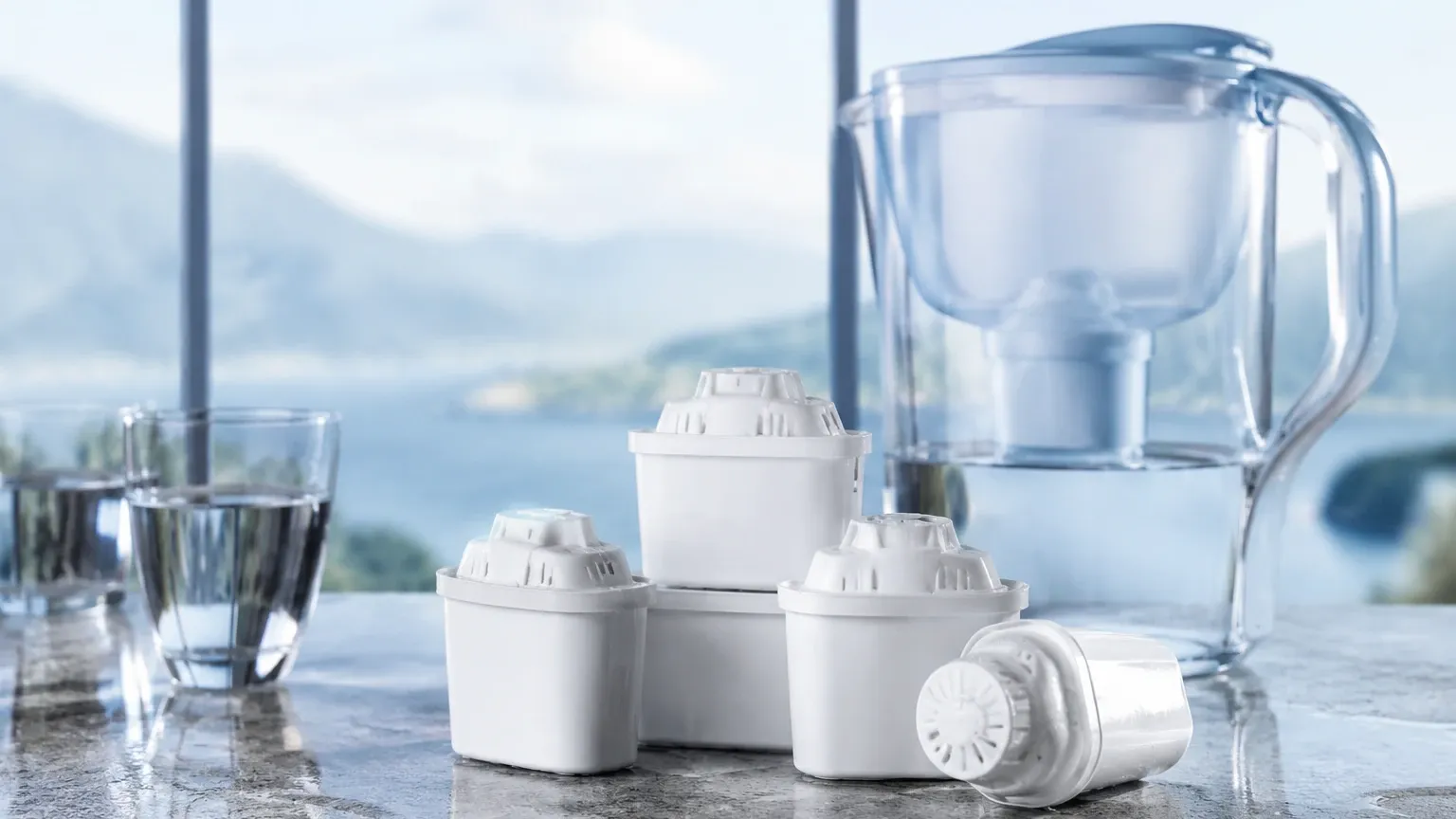
Brita Water Filter Cartridges
In the realm of water treatment, the term filtration encompasses a vast spectrum of technologies, ranging from simple residential point-of-use systems to complex, high-pressure industrial processes. For many consumers and small-scale laboratory environments, Brita water filter cartridges represent the standard for basic water purification. However, for engineers and procurement professionals in sectors such as chemical processing, pharmaceuticals, and food production, understanding the underlying technology of these consumer-grade components is often the first step toward evaluating more robust, industrial-scale filtration solutions.
This article examines the mechanical and chemical principles behind Brita water filter cartridges, contrasts their performance with industrial-grade Filter Cartridges, and provides technical guidance for selecting the appropriate filtration media based on specific application requirements.
The Mechanics of Brita Water Filter Cartridges
Brita water filter cartridges are designed primarily for the removal of aesthetic impurities and specific chemical contaminants found in municipal tap water. Their operation relies on a multi-stage filtration process housed within a polymer casing. Understanding these stages is essential for engineers who may be looking to replicate or scale these processes in a B2B context.
1. Mechanical Pre-Filtration
The outermost layer of a standard cartridge typically consists of a fine mesh. This mesh acts as a mechanical barrier, trapping larger suspended solids, such as sediment, rust, and silt. In industrial settings, this function is often performed by stainless steel wire mesh filters, which offer significantly higher durability and the ability to be cleaned and reused.
2. Ion Exchange Resin
One of the core components of these cartridges is ion exchange resin beads. These beads are engineered to reduce carbonate hardness (limescale) and heavy metals like copper and lead. The resin works by exchanging ions—typically replacing calcium and magnesium ions with hydrogen or sodium ions. This process is critical in preventing scale buildup in downstream equipment, a concern that is amplified in industrial boiler feeds and cooling systems.
3. Activated Carbon Filtration
Activated carbon is utilized to adsorb chlorine and organic compounds that affect taste and odor. The high surface area of the carbon particles provides numerous bonding sites for chemical contaminants. In industrial applications, while carbon is effective, it often requires a secondary containment system to prevent carbon fines from migrating into the filtered effluent, a challenge that is often addressed through precision-engineered metal support structures.
Industrial vs. Residential Filtration Requirements
While Brita water filter cartridges are highly effective for low-volume, gravity-fed applications, industrial environments present a different set of challenges. Engineers must account for variables that consumer-grade filters are not designed to handle.
Flow Rates and Pressure Differentials
Residential filters typically operate under gravity or low household pressure. In contrast, industrial filtration systems often handle high-velocity flow rates and significant pressure differentials (ΔP). A plastic-housed cartridge would fail under the mechanical stress of a high-pressure hydraulic or chemical line. This necessitates the use of stainless steel filter cartridges, which provide the structural integrity required to maintain filtration accuracy under load.
Chemical Compatibility
The polymer housings and adhesives used in standard consumer cartridges have limited chemical resistance. In pharmaceutical or chemical processing, filters must withstand exposure to solvents, acids, and bases. Stainless steel (304 or 316L) is the preferred material in these scenarios due to its inert nature and resistance to corrosion.
Thermal Stability
Temperature is a critical factor in many industrial processes, such as steam filtration or hot oil processing. Consumer-grade filter media and housings typically have a low maximum operating temperature (often below 40°C). Industrial metal filters can operate at temperatures exceeding 200°C, depending on the seals and alloy used.
Key Performance Metrics for Industrial Filter Cartridges
When transitioning from basic water filtration to industrial-grade solutions, engineers must evaluate several key performance metrics to ensure system efficiency and product purity.
Micron Rating: Absolute vs. Nominal
In the world of professional filtration, the distinction between absolute and nominal micron ratings is vital. A nominal rating indicates that the filter will trap a certain percentage of particles of a given size. An absolute rating, common in precision stainless steel mesh, guarantees that no particle larger than the specified size will pass through. Brita water filter cartridges generally operate on a nominal basis, whereas industrial applications often demand absolute filtration to protect sensitive downstream components.
Beta Ratio
The Beta Ratio (β) is a formula used to express the filtration efficiency of a cartridge for a specific particle size. It is the ratio of particles upstream of the filter to the particles downstream. For critical applications, such as hydraulic fluid filtration or sterile pharmaceutical water, a high Beta Ratio is non-negotiable.
Dirt-Holding Capacity
This metric refers to the total amount of contaminants a filter can retain before the pressure drop reaches a terminal point, requiring replacement or cleaning. Industrial Filter Cartridges are designed with pleated or multi-layered structures to maximize surface area, thereby extending the service life and reducing downtime compared to simple depth-filter designs.
Material Engineering: Why Stainless Steel Matters
For many B2B applications, the move away from disposable plastic cartridges toward stainless steel components is driven by both performance and sustainability. Stainless steel filtration media, such as that produced by Kaifil, offers several engineering advantages:
* Cleanability: Unlike carbon or polymer cartridges, stainless steel filters can be cleaned via backwashing, ultrasonic cleaning, or chemical baths. This significantly reduces the total cost of ownership (TCO) over the life of the equipment.
* No Media Migration: In high-purity applications, the risk of the filter media itself shedding particles into the fluid stream is a major concern. Sintered metal and high-quality wire mesh provide a stable, fixed-pore structure that eliminates media migration.
* Structural Rigidity: Metal cartridges do not deform under pressure, ensuring that the pore size remains consistent throughout the filtration cycle.
Customization and OEM Solutions in Filtration
One of the primary differences between purchasing consumer Brita water filter cartridges and industrial filtration components is the level of customization available. Industrial systems are rarely "one size fits all."
Engineers often require custom-tailored solutions that include:
* Specific End-Cap Configurations: Ensuring a leak-proof seal within existing filter housings (e.g., 222, 226, or DOE configurations).
* Variable Layering: Combining different mesh counts to create a graduated filtration effect, which improves dirt-holding capacity.
* Specialized Alloys: Using 316L stainless steel for high-salinity environments or Hastelloy for extreme chemical resistance.
Manufacturing partners like Kaifil work closely with global customers to develop these OEM solutions, providing technical expertise from the initial design phase through to production. This collaborative approach ensures that the filtration component is perfectly matched to the fluid dynamics and contaminant profile of the specific application.
Total Cost of Ownership and Sustainability
While the initial purchase price of a disposable consumer-style cartridge is low, the long-term costs in an industrial setting can be prohibitive. Frequent replacement cycles lead to increased labor costs, disposal fees, and potential production delays.
By contrast, investing in high-quality industrial Filter Cartridges allows for a more sustainable and cost-effective operation. The ability to clean and reuse metal filters aligns with modern corporate sustainability goals by reducing plastic waste and minimizing the environmental impact of manufacturing processes.
When evaluating filtration options, purchasing teams should confirm the following before procurement:
1. Operating Pressure and Temperature: Ensure the cartridge can withstand the maximum possible spikes in the system.
2. Fluid Compatibility: Verify that all components (media, end-caps, and gaskets) are compatible with the process fluid.
3. Required Filtration Accuracy: Determine if a nominal or absolute rating is necessary for the desired output quality.
4. Maintenance Schedule: Calculate the expected lifespan and cleaning intervals to determine the true TCO.
Conclusion
Brita water filter cartridges serve as an excellent entry point for understanding basic water purification, utilizing mechanical filtration, ion exchange, and adsorption. However, for industrial professionals, these principles must be applied within a much more rigorous framework. By selecting high-performance stainless steel filtration solutions, engineers can achieve the precision, durability, and cost-efficiency required for demanding industrial environments. Whether for chemical processing, food and beverage production, or water treatment, the right filtration cartridge is a critical component in maintaining system integrity and product quality.
