


Filter Replacement Car
In industrial maintenance and fluid management, the efficiency of a system often hinges on the mobility and reliability of filtration equipment. The "filter replacement car," commonly referred to in heavy industry as a mobile filtration cart or unit, serves as a critical asset for maintaining fluid cleanliness in hydraulic systems, chemical processing lines, and lubricant reservoirs. These mobile units are designed to perform off-line filtration, also known as kidney-loop filtration, which allows for the continuous cleaning of fluids without interrupting the primary operation of the machinery.
For engineers and maintenance managers, selecting the right components for a filter replacement car—specifically the Filter Cartridges—is the difference between optimized equipment longevity and frequent, costly downtime. This guide explores the technical engineering considerations, material selection, and operational best practices for industrial filter cars.
The Role of Mobile Filtration Systems in Industrial Environments
A filter replacement car is essentially a portable pump-motor-filter combination. Its primary function is to remove contaminants such as particulate matter, water, and oxidation products from fluids. Unlike fixed filtration systems that are integrated into a machine's circuit, a mobile car can be moved from one reservoir to another, making it a versatile tool for preventive maintenance.
Key Applications for Filter Cars
* Fluid Transfer: Ensuring that new oil or chemicals are filtered before they enter a pristine system. New fluids are often contaminated during transport and storage; using a filter car during the filling process prevents these contaminants from entering the machinery.
* Kidney-Loop Filtration: Connecting the car to a reservoir to circulate and clean the fluid independently of the main system's operation. This is particularly useful for systems with high contamination ingression rates.
* System Flushing: Cleaning a system after a component failure or a major overhaul to ensure no residual debris remains in the lines.
Technical Specifications of Filter Cartridges for Mobile Units
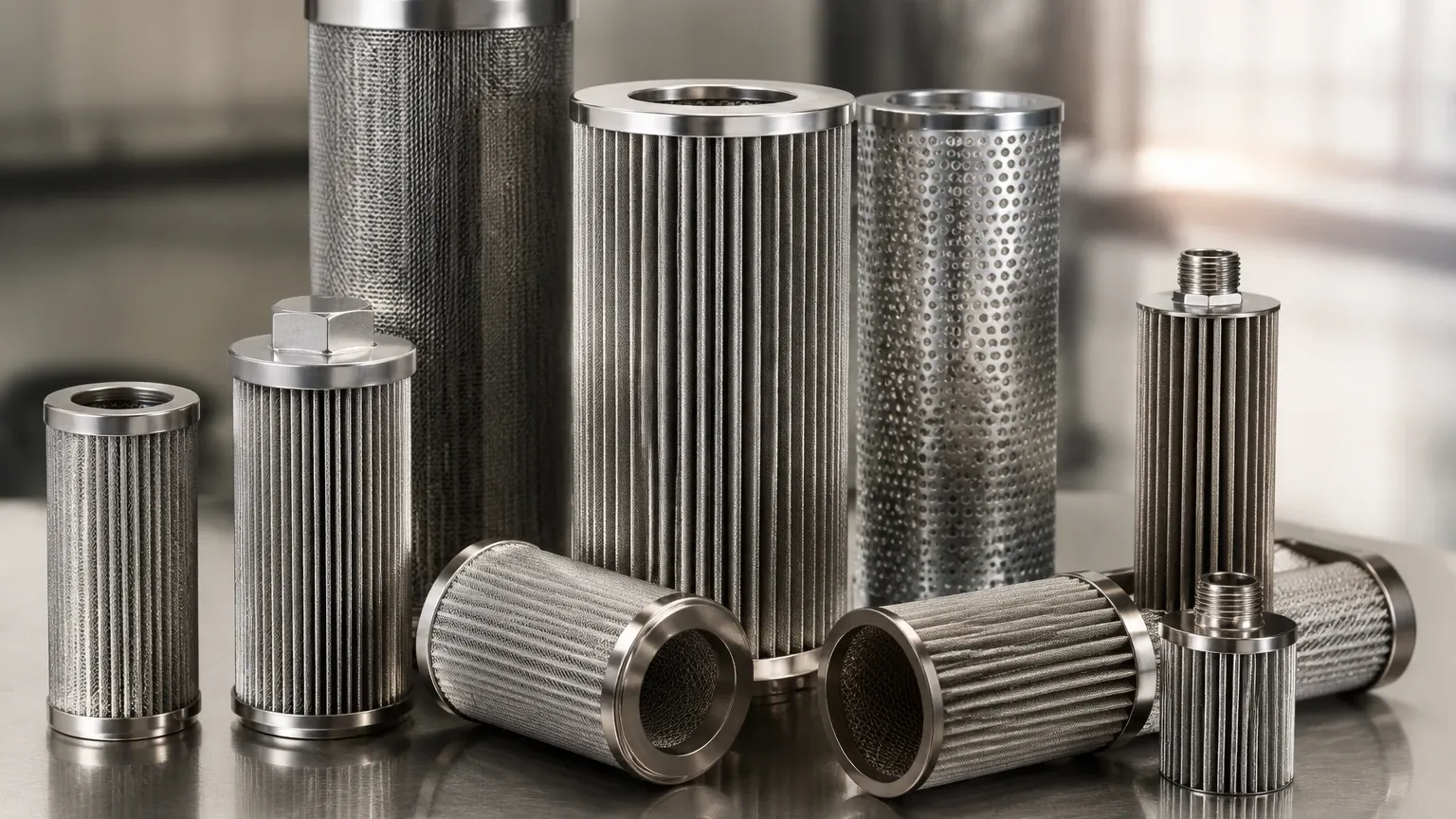
The performance of any filter replacement car is dictated by the quality and specification of its internal media. Industrial applications require robust solutions that can withstand varying pressures, temperatures, and chemical environments. Stainless steel filter cartridges are often the preferred choice for these mobile units due to their durability and cleanability.
Filtration Rating and Efficiency
When selecting cartridges for a mobile unit, engineers must consider the micron rating (absolute vs. nominal). In industrial hydraulics, achieving a specific ISO 4406 cleanliness code is the target. For instance, a cartridge with a high beta ratio (βx[c] ≥ 1000) ensures that 99.9% of particles at the specified micron size are captured in a single pass.
Structural Integrity and Pressure Drop
Because filter cars use an auxiliary pump, the cartridge must be able to handle the flow rate without creating excessive differential pressure (ΔP). A high initial pressure drop reduces the efficiency of the pump and can lead to the bypass valve opening prematurely, allowing unfiltered fluid to return to the reservoir. Stainless steel cartridges, particularly those with pleated designs, offer a larger surface area, which minimizes pressure drop while maximizing dirt-holding capacity.
Material Selection: Why Stainless Steel is Essential
In sectors such as chemical processing, food and beverage, and pharmaceuticals, the material of the filter cartridge is non-negotiable. While polymer or paper-based media are common in light-duty applications, industrial filter replacement cars often require the resilience of metal.
Corrosion Resistance
Stainless steel 304 and 316L are the standards for industrial filtration. 316L, with its addition of molybdenum, provides superior resistance to chlorides and acidic environments, making it ideal for chemical plants and offshore applications.
Temperature Stability
Industrial fluids can reach high temperatures that would degrade standard synthetic media. Stainless steel maintains its structural integrity and filtration accuracy at temperatures exceeding 250°C, ensuring that the filter replacement car can operate safely across a wide range of industrial processes.
Cleanability and Reusability
One of the most significant advantages of using stainless steel Filter Cartridges in a mobile car is the ability to clean and reuse the media. Through ultrasonic cleaning, backwashing, or chemical cleaning, these cartridges can be restored to near-original performance, significantly reducing the total cost of ownership compared to disposable alternatives.
Operational Parameters: Flow Rates, Pressure, and Viscosity
Designing or choosing a filter replacement car requires a deep understanding of the fluid dynamics involved. The relationship between flow rate and fluid viscosity is the most critical factor in determining the success of the filtration process.
1. Viscosity Considerations: High-viscosity fluids (such as gear oils or heavy lubricants) create higher resistance as they pass through the filter media. If a filter car is intended for high-viscosity applications, the cartridge must have a coarser mesh or a larger surface area to prevent cavitation in the pump.
2. Pump Selection: The pump on the filter car must be matched to the filter's maximum flow rating. If the pump exceeds the filter's capacity, the velocity of the fluid can strip particles through the media or cause structural failure of the cartridge core.
3. Bypass Settings: Most industrial filter cars include a bypass valve. Engineers must ensure the bypass setting is higher than the expected pressure drop of a loaded filter but lower than the collapse pressure of the cartridge.
Step-by-Step Guide to Filter Replacement in Mobile Carts
Proper maintenance of the filter replacement car itself is vital. When the differential pressure gauge indicates that the cartridge is saturated, the following steps should be followed to ensure system integrity:
* System Shutdown: Ensure the pump is turned off and the unit is disconnected from the power source.
* Pressure Relief: Open the bleed valve to release any residual pressure within the filter housing. Failure to do this can result in fluid spray and potential injury.
* Housing Opening: Use the appropriate tools to unscrew the housing cover. For stainless steel systems, check the threads for any signs of galling.
* Cartridge Removal: Carefully remove the used cartridge. Inspect the bottom of the housing for settled sludge or metallic shavings, which can provide clues about the health of the machinery being filtered.
* Seal Inspection: Check the O-rings or gaskets (typically Viton or EPDM). Even a high-quality stainless steel cartridge will fail if the seals are compromised, allowing fluid to bypass the media.
* Installation: Insert the new or cleaned cartridge, ensuring it is properly seated on the internal mandrel. Reassemble the housing and tighten to the manufacturer's torque specifications.
Optimizing Filtration Efficiency through Customization
Every industrial facility has unique challenges, and a one-size-fits-all approach to filtration often leads to inefficiencies. Customization of the filter replacement car and its internal components allows for optimized performance.
Custom Mesh Configurations
Depending on the specific contaminants—whether they are hard silica particles, soft fibers, or gel-like oxidation products—the weave of the stainless steel mesh can be customized. Plain weave, twilled weave, and Dutch weave each offer different benefits in terms of flow resistance and particle retention.
Multi-Stage Filtration
Some advanced filter replacement cars utilize a two-stage filtration approach. The first stage uses a coarse stainless steel pre-filter to remove large debris, while the second stage uses a high-precision Filter Cartridges to achieve the final cleanliness target. This configuration extends the life of the fine filter and ensures more consistent fluid quality.
Total Cost of Ownership (TCO) Considerations
When evaluating the investment in a filter replacement car and its associated cartridges, B2B buyers should look beyond the initial purchase price. The TCO includes:
* Consumable Costs: The frequency of replacement for disposable filters versus the cleaning costs of stainless steel.
* Labor Costs: The time required for filter changes and the ease of maintenance of the car.
* Equipment Longevity: The reduction in wear-related failures of the primary machinery due to better fluid cleanliness.
* Disposal Costs: Environmental regulations often make the disposal of oil-soaked synthetic filters expensive. Reusable metal filters mitigate this cost and align with corporate sustainability goals.
Conclusion
The filter replacement car is an indispensable tool in the modern industrial landscape, providing the mobility and precision needed to maintain critical fluid systems. By focusing on high-quality engineering components, specifically robust stainless steel filter cartridges, maintenance teams can ensure their mobile units deliver reliable performance in the most demanding environments. Understanding the technical nuances of micron ratings, material compatibility, and flow dynamics allows for the selection of a filtration solution that not only protects machinery but also optimizes operational costs over the long term. For those managing complex industrial processes, the integration of high-performance filtration into a mobile maintenance strategy is a fundamental step toward achieving operational excellence.
