


Can You Recycle Water Filter Cartridges
In the modern industrial landscape, sustainability is no longer a peripheral concern; it is a core operational requirement. For facility managers, process engineers, and procurement teams, the management of consumables is a significant factor in both environmental impact and the total cost of ownership (TCO). One of the most common questions arising in high-volume fluid processing environments is: can you recycle water filter cartridges?
The answer is not a simple yes or no. It depends heavily on the material composition of the filter, the nature of the contaminants it has captured, and the local infrastructure for industrial waste management. While consumer-grade plastic filters often end up in landfills, industrial-grade Filter Cartridges—particularly those constructed from stainless steel—offer a much more sustainable and circular lifecycle.
Understanding the Recyclability of Industrial Filter Cartridges
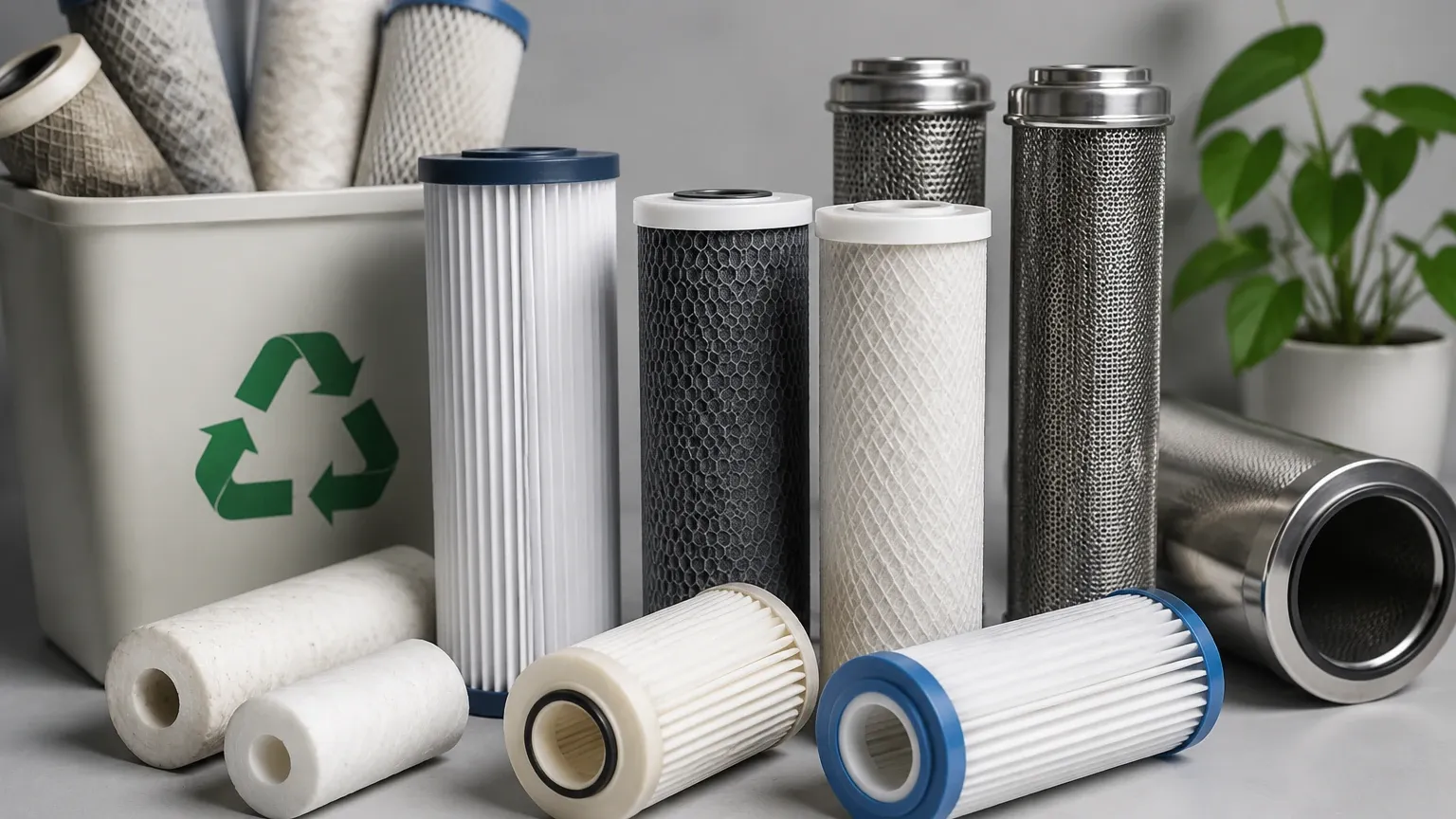
To determine if a filter cartridge can be recycled, one must first look at its construction. Industrial filtration systems utilize a variety of media, including polypropylene (PP), polyethersulfone (PES), activated carbon, and stainless steel mesh or sintered metal.
In most municipal recycling programs, standard water filter cartridges are rejected. This is because they are "complex assemblies" composed of multiple materials that are difficult to separate. For example, a typical plastic cartridge may contain a polypropylene housing, a thermal-bonded end cap, and a internal core of carbon or synthetic fiber. Separating these materials is labor-intensive and often not economically viable for standard recycling facilities.
However, in a B2B context, the volume of waste generated allows for more specialized disposal and recovery strategies. When asking "can you recycle water filter cartridges" at an industrial scale, the focus shifts from municipal bins to specialized industrial scrap metal recovery and chemical regeneration programs.
Material Composition: The Primary Factor in Recycling Feasibility
The material of the filter media and the hardware determines the ultimate fate of the spent cartridge.
1. Synthetic Polymer Cartridges
Polypropylene and other plastic-based filters are common in pre-filtration and sediment removal. While polypropylene is technically a recyclable plastic (Type 5), used filter cartridges are typically classified as contaminated waste. If the filter has been used to remove hazardous chemicals, heavy metals, or biological contaminants from a process stream, it cannot be processed by standard plastic recyclers. Most of these units are incinerated for energy recovery or sent to specialized landfills.
2. Activated Carbon Cartridges
Carbon filters are widely used for chlorine removal and organic compound reduction. While the carbon itself cannot be "recycled" in the traditional sense, it can be "reactivated." This involves heating the spent carbon to extremely high temperatures in a controlled atmosphere to burn off the adsorbed contaminants. However, this is usually only performed for bulk carbon beds rather than small individual cartridges.
3. Stainless Steel and Metal Mesh Cartridges
This is where the answer to "can you recycle water filter cartridges" becomes overwhelmingly positive. Stainless steel Filter Cartridges, such as those manufactured from 304 or 316L grade steel, are highly sought after by metal recyclers. Once cleaned of process contaminants, these components can be melted down and repurposed with nearly 100% material recovery. This makes metal filtration solutions the preferred choice for organizations prioritizing a circular economy.
Industrial vs. Consumer Cartridges: Why the Recycling Path Differs
There is a significant divide between how a residential user and an industrial engineer should approach filter recycling.
For consumer products, the primary barrier is the lack of a standardized "take-back" infrastructure. A few major brands offer mail-in programs, but the participation rate remains low. In contrast, industrial operations handle thousands of cartridges annually. This volume creates an opportunity for "waste-to-value" partnerships.
In industrial settings, the question of "can you recycle water filter cartridges" is often tied to the facility’s Hazardous Waste Management Plan. Engineers must evaluate whether the trapped substances—such as oils, solvents, or heavy metals—render the entire cartridge as hazardous waste. If the contaminants are non-hazardous (e.g., food-grade particles or calcium scale), the metal components of the filter can easily enter the standard industrial scrap stream.
The Role of Stainless Steel in Sustainable Filtration Systems
From an engineering perspective, the most effective way to address the recycling challenge is to move away from disposable media toward cleanable, permanent filtration solutions. Stainless steel Filter Cartridges represent the pinnacle of this approach.
Unlike plastic cartridges that are discarded after a single loading cycle, stainless steel wire mesh and sintered metal cartridges are designed for durability. They offer several advantages in terms of sustainability:
* Longevity: A single stainless steel cartridge can replace hundreds of disposable plastic filters over its operational life.
* Material Value: Even at the end of its functional life (which may be several years), the stainless steel retains significant scrap value.
* Reduced Logistics: By using cleanable filters, a facility reduces the carbon footprint associated with the shipping, packaging, and disposal of thousands of disposable units.
When engineers evaluate the question "can you recycle water filter cartridges," they often find that the best answer is to choose a product that doesn't need to be recycled frequently. A high-quality metal filter provides a predictable, long-term solution that aligns with corporate sustainability goals.
Cleaning and Regeneration: An Alternative to Recycling
Before considering recycling, industrial users should explore the possibility of cleaning. For many metal Filter Cartridges, the "spent" state is merely a temporary condition where the pressure drop across the media has exceeded the operational limit.
Professional cleaning methods can restore these filters to near-original performance. Common techniques include:
* Ultrasonic Cleaning: Using high-frequency sound waves in a chemical bath to dislodge fine particles from the mesh or sintered structure.
* Backwashing: Reversing the flow of fluid to push contaminants out of the media.
* Chemical Cleaning: Using acids, alkalis, or solvents to dissolve specific types of fouling (e.g., calcium deposits or organic biofilms).
* Burn-off (Pyrolysis): For cartridges used in high-temperature polymer or oil processing, heating the unit in a vacuum oven can vaporize organic contaminants without damaging the metal structure.
By implementing a robust cleaning regimen, the frequency of recycling is drastically reduced, further lowering the environmental impact of the filtration process.
Best Practices for Managing Spent Filter Cartridges
If your facility is looking to optimize its filtration waste management, consider the following steps to address the question of "can you recycle water filter cartridges" effectively:
1. Conduct a Waste Audit: Identify the types of filters currently in use and the volume of waste generated. Categorize them by material (plastic, metal, composite).
2. Analyze Contaminants: Determine if the substances being filtered are hazardous. This will dictate whether the cartridges can be sent to a standard recycler or if they require specialized hazardous waste handling.
3. Transition to Metal Media: Where process conditions allow, replace disposable plastic Filter Cartridges with stainless steel alternatives. This shift significantly simplifies the recycling path at the end of the product's life.
4. Partner with Industrial Recyclers: Establish relationships with scrap metal processors who specialize in high-grade alloys. Ensure they are equipped to handle the specific size and shape of your filter elements.
5. Documentation and Compliance: Maintain records of the disposal and recycling of filter cartridges to support ESG (Environmental, Social, and Governance) reporting and ensure compliance with local environmental regulations.
Engineering the Future of Filtration
The question "can you recycle water filter cartridges" highlights a broader shift in industrial engineering toward more responsible resource management. While the recycling of multi-material plastic cartridges remains a challenge, the path for metal filtration components is clear and economically beneficial.
By selecting Filter Cartridges designed for durability and ease of material recovery, companies can reduce their waste streams, lower their long-term costs, and improve their overall environmental footprint. In the B2B sector, the move toward stainless steel and other high-performance alloys is not just a technical upgrade; it is a commitment to a more sustainable industrial future.
For engineers and procurement professionals, the focus should remain on the material science behind the filter. Choosing 304 or 316L stainless steel ensures that when the time finally comes to retire a filter, it can be recycled efficiently, returning valuable raw materials to the supply chain rather than adding to the global waste problem.
