


Classic Water Filter Cartridges
In the landscape of industrial water treatment and process fluid management, the term "classic water filter cartridges" refers to the foundational technologies used to remove suspended solids, sediment, and contaminants from liquid streams. While residential applications often focus on simple taste and odor improvement, industrial environments require these cartridges to meet rigorous standards for flow rate, pressure resistance, and chemical compatibility. For engineers and procurement teams, selecting the right filtration media is not merely about replacing a consumable; it is about optimizing system uptime and protecting sensitive downstream equipment.
Industrial filtration systems rely on various cartridge architectures to achieve specific purity levels. Whether used in chemical processing, food and beverage production, or hydraulic systems, the performance of these components dictates the overall efficiency of the plant. Understanding the technical nuances between different types of Filter Cartridges is essential for maintaining process integrity.
The Role of Classic Water Filter Cartridges in Industrial Pre-filtration
Pre-filtration is the first line of defense in any water treatment circuit. Classic water filter cartridges are typically deployed to capture larger particulates that could otherwise foul reverse osmosis (RO) membranes, damage high-pressure pumps, or clog precision spray nozzles. In these scenarios, the primary goal is sediment reduction.
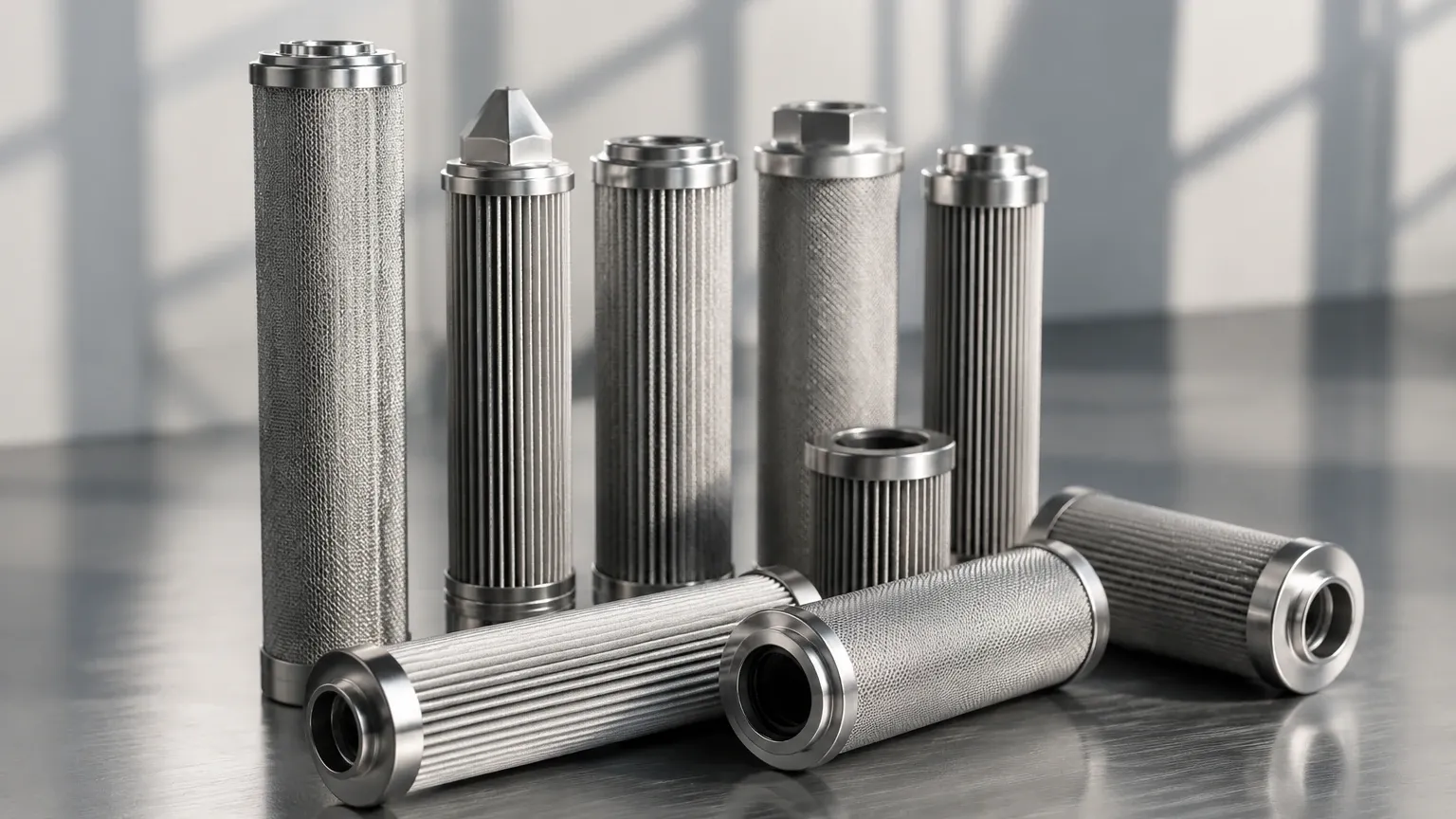
In an industrial context, these cartridges are often categorized by their filtration mechanism: depth filtration or surface filtration. Depth filters, such as string-wound or melt-blown cartridges, trap particles throughout the entire thickness of the media. This allows for a high dirt-holding capacity. Surface filters, such as pleated metal mesh or specialized membranes, capture particles on the outer layer, offering more precise micron ratings and the potential for cleaning and reuse. For heavy-duty industrial applications, the transition from disposable polymer-based cartridges to durable stainless steel options represents a significant shift toward long-term operational reliability.
Engineering Advantages of Stainless Steel Filter Cartridges
While many classic water filter cartridges are made from polypropylene or polyester, industrial environments often demand the superior physical properties of stainless steel. Stainless steel filter cartridges, particularly those manufactured from 304 or 316L grades, provide several engineering advantages that polymer alternatives cannot match.
Temperature and Pressure Resistance
Standard plastic cartridges often have a maximum operating temperature of around 60°C to 80°C. In contrast, stainless steel components can withstand temperatures exceeding 200°C, making them suitable for steam filtration and high-temperature process water. Furthermore, the structural integrity of metal allows for higher differential pressures (ΔP) without the risk of media migration or cartridge collapse.
Chemical Compatibility
In chemical processing and pharmaceutical manufacturing, the fluid being filtered may be corrosive or reactive. Stainless steel offers excellent resistance to a wide range of organic solvents, oils, and mild acids. This ensures that the filter media does not leach impurities into the process stream, which is a critical requirement for maintaining high-purity standards.
Cleanability and Sustainability
One of the most significant drawbacks of traditional classic water filter cartridges is their disposable nature. Once saturated, they must be discarded, leading to ongoing replacement costs and waste. Stainless steel cartridges are designed for longevity. They can be cleaned using backwashing, ultrasonic baths, or chemical cleaning agents, allowing them to be returned to service multiple times. This reduces the total cost of ownership and aligns with industrial sustainability goals.
Technical Specifications: Micron Ratings and Efficiency
When evaluating Filter Cartridges, engineers must distinguish between nominal and absolute micron ratings. This distinction is vital for ensuring the filtration system meets the required output quality.
* Nominal Micron Rating: This is an indicative value representing the ability of the filter to trap a percentage of particles of a specific size (usually between 60% and 90%). Most classic water filter cartridges used for general sediment removal are nominally rated.
* Absolute Micron Rating: This refers to the diameter of the largest hard spherical particle that will pass through the filter under specified test conditions. For critical applications, such as pharmaceutical grade water or fine chemical filtration, absolute-rated stainless steel mesh or sintered metal cartridges are preferred to ensure 99.9% efficiency.
In addition to the micron rating, the effective filtration area is a key metric. Pleated designs significantly increase the surface area within the same cartridge footprint, which lowers the face velocity of the fluid and reduces the initial pressure drop. This engineering choice extends the time between cleaning cycles and improves the overall energy efficiency of the pumping system.
Application-Specific Considerations for Industrial Filtration
The selection of classic water filter cartridges must be tailored to the specific demands of the industry. Different sectors prioritize different performance characteristics based on their regulatory and technical requirements.
Food and Beverage Industry
In this sector, filtration components must comply with FDA and EU food-contact regulations. Stainless steel is the material of choice due to its non-leaching properties and ease of sterilization. Cartridges are used for everything from ingredient water purification to the filtration of syrups and oils. The ability to withstand Clean-in-Place (CIP) procedures is a mandatory requirement for these components.
Chemical and Petrochemical Processing
Filtration in the chemical industry often involves aggressive fluids and high pressures. Metal filter cartridges are utilized to remove catalysts, protect heat exchangers, and ensure the clarity of final products. The choice between 304 and 316L stainless steel often depends on the chloride content and acidity of the fluid, with 316L providing superior corrosion resistance in harsh environments.
Hydraulic and Lubrication Systems
Classic water filter cartridges are not limited to water; the same form factors are used in hydraulic systems to protect precision valves and actuators from wear-inducing particles. In these high-viscosity applications, the mechanical strength of the filter media is paramount to prevent bypass or failure during cold starts or pressure surges.
Evaluating Total Cost of Ownership (TCO)
For procurement departments, the initial purchase price of a filter cartridge is only one component of the total cost. A comprehensive TCO analysis should include:
1. Replacement Frequency: How often does the cartridge need to be changed? Disposable filters may be cheaper upfront but require frequent labor and downtime for replacement.
2. Disposal Costs: Industrial waste disposal regulations can make the discarding of used polymer filters expensive, especially if they have been in contact with hazardous chemicals.
3. Energy Consumption: A filter with a high initial pressure drop requires more pump energy to maintain the required flow rate. High-quality pleated metal cartridges often provide lower resistance.
4. Process Uptime: The time lost during filter change-outs can result in significant production losses. Durable, cleanable stainless steel solutions minimize this disruption.
By investing in high-performance Filter Cartridges, facilities can often realize a return on investment within the first year through reduced consumable spend and improved process stability.
Customization and OEM Solutions for Specialized Requirements
Every industrial facility has unique constraints, from the physical dimensions of the filter housing to the specific nature of the contaminants. Off-the-shelf classic water filter cartridges may not always provide the optimal solution. This is where custom manufacturing and OEM capabilities become essential.
Customization options typically include:
* End-Cap Configurations: Ensuring a perfect seal within existing housings (e.g., DOE, 222/Fin, 226/Flat).
* Variable Lengths and Diameters: Fitting non-standard vessel sizes.
* Specialized Media Layers: Combining different mesh sizes or sintered layers to achieve multi-stage filtration within a single cartridge.
* Reinforced Cores: Adding internal support for high-viscosity fluids or extreme pressure differentials.
Working with a manufacturer that understands the engineering behind these variables allows technical teams to develop filtration components that are perfectly matched to their application, rather than compromising with generic substitutes.
Conclusion: Selecting the Right Filtration Partner
The transition from basic classic water filter cartridges to engineered industrial filtration solutions requires a deep understanding of material science and fluid dynamics. For engineers tasked with maintaining complex systems, the priority is always reliability and precision. By focusing on high-quality stainless steel media and customized designs, industrial operations can achieve higher purity levels, lower operational costs, and greater equipment longevity.
When evaluating potential filtration solutions, it is important to confirm the material grades, micron efficiency, and structural limits of the cartridges. A professional manufacturer will provide the technical documentation and engineering support necessary to ensure that the selected components perform predictably under the specific conditions of your facility. Whether you are upgrading an existing system or designing a new process, choosing the right filter cartridge is a critical step in achieving industrial excellence.
