


Dafi Water Filter Cartridges
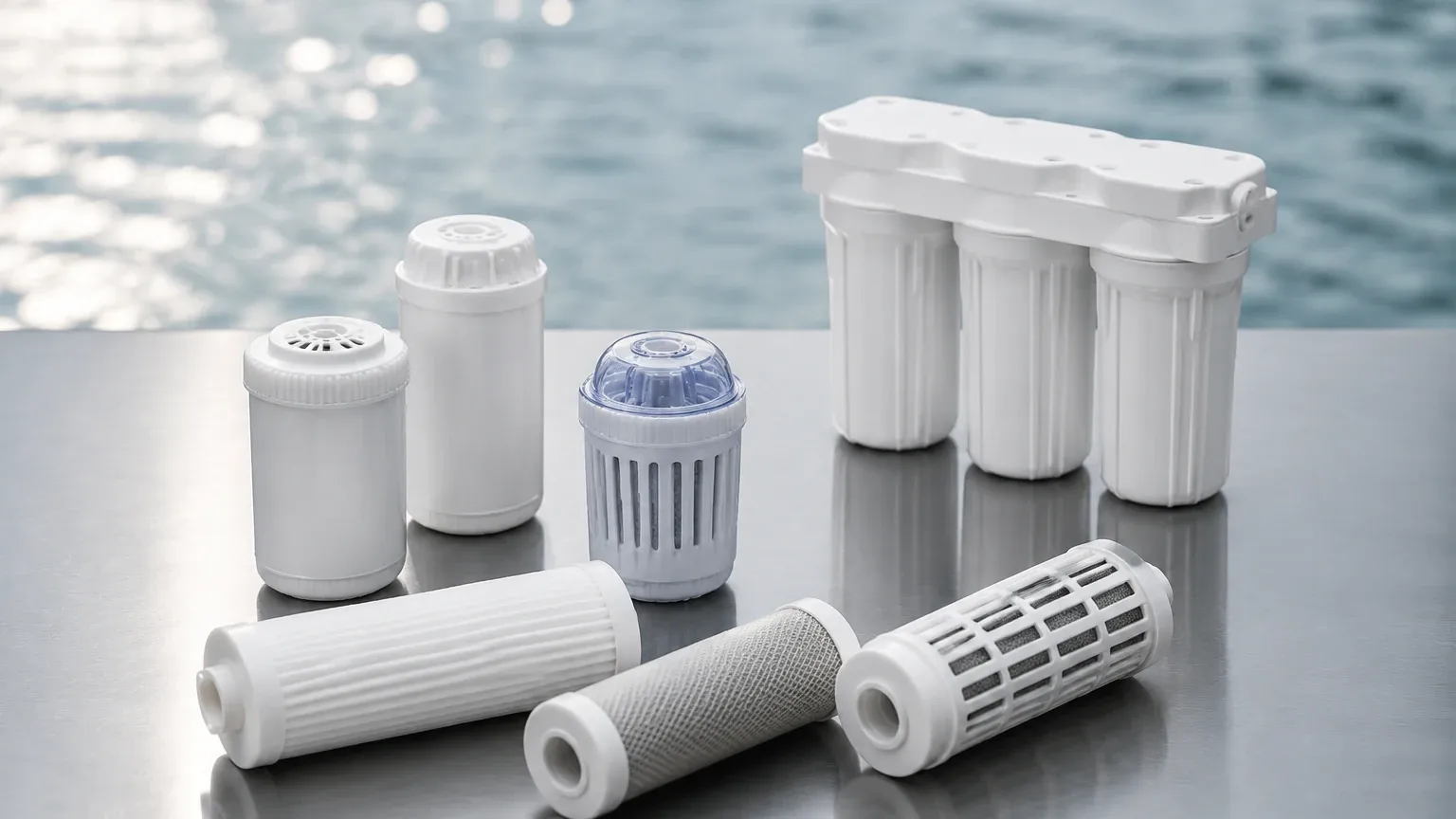
In the diverse landscape of water purification, understanding the specific mechanics and application boundaries of various filtration technologies is essential for both facility managers and system engineers. Among the various solutions available for residential and light commercial use, dafi water filter cartridges have established a significant presence. These components are primarily designed to improve the organoleptic properties of water—specifically taste, odor, and clarity—by addressing common municipal water issues such as chlorine content and mineral hardness.
However, for industrial professionals operating in sectors like chemical processing, pharmaceuticals, or food and beverage manufacturing, the requirements for filtration often exceed the capabilities of standard consumer-grade products. This article examines the technical foundations of these cartridges, evaluates their performance in different contexts, and explores the transition toward more robust industrial Filter Cartridges required for demanding process environments.
Technical Composition and Filtration Mechanisms
The efficacy of dafi water filter cartridges relies on a combination of chemical and physical filtration processes. Most standard configurations utilize a multi-stage approach contained within a compact housing. The primary media used in these systems include:
Activated Carbon
High-quality activated carbon is the cornerstone of these cartridges. Through the process of adsorption, the carbon media traps organic impurities, pesticides, and herbicides. Most importantly for municipal water, it effectively reduces chlorine and its by-products, which are often responsible for unpleasant tastes and odors. In an industrial context, carbon filtration is a critical pre-treatment step to protect sensitive downstream equipment, such as reverse osmosis membranes, from oxidative damage.
Ion Exchange Resin
To address water hardness, these cartridges incorporate ion exchange resins. These resins work by swapping calcium and magnesium ions—the primary causes of limescale buildup—with sodium or hydrogen ions. This process is vital for extending the life of heating elements in appliances and preventing scale-related efficiency losses in light-duty industrial equipment. For engineers, managing scale is not just about taste; it is about maintaining thermal transfer efficiency and reducing maintenance frequency.
Mechanical Pre-filtration
Before water reaches the chemical media, it typically passes through a fine mesh or fleece layer designed to capture suspended solids, sediment, and rust particles. This mechanical stage prevents the internal media from clogging prematurely, ensuring a consistent flow rate throughout the cartridge's service life.
Evaluating Performance: Consumer vs. Industrial Requirements
When assessing dafi water filter cartridges, it is important to distinguish between their intended use and the rigorous demands of industrial process water. While these cartridges are highly effective for point-of-use (POU) drinking water, industrial engineers must look at several key performance indicators (KPIs) that define the suitability of a filtration component for a specific application.
Flow Rate and Pressure Drop
In a domestic setting, a flow rate of a few liters per minute is sufficient. In contrast, industrial systems may require hundreds of gallons per minute. Standard plastic-housed cartridges often introduce a significant pressure drop (ΔP) as they become loaded with contaminants. Engineers must calculate the "Clean Pressure Drop" versus the "Terminal Pressure Drop" to ensure that the system pump can maintain the required flow without excessive energy consumption.
Chemical and Thermal Compatibility
Standard water filter cartridges are typically rated for ambient or slightly chilled water temperatures. In industrial settings, such as CIP (Clean-In-Place) systems or high-temperature chemical mixing, the housing and media must withstand temperatures exceeding 80°C and resist a wide range of pH levels. This is where the transition to stainless steel Filter Cartridges becomes necessary, as they offer the structural integrity required to prevent bypass or structural failure under stress.
Micron Ratings: Nominal vs. Absolute
Most consumer-grade filters provide a "nominal" micron rating, meaning they catch a certain percentage of particles at that size. Industrial applications often demand "absolute" ratings, where the filter is guaranteed to capture 99.9% of particles at the specified micron level. Understanding this distinction is critical for engineers tasked with protecting high-precision nozzles or ensuring the sterility of pharmaceutical ingredients.
Common Risks and Engineering Considerations
Implementing any filtration solution without a thorough understanding of the source water and the process requirements can lead to several operational risks. When utilizing dafi water filter cartridges or similar technologies, engineers should be aware of the following factors:
1. Microbial Proliferation: Carbon-based filters can become breeding grounds for bacteria if left stagnant for long periods. In industrial environments, antimicrobial media or secondary sterilization (such as UV or ozone) is often required downstream of carbon filtration.
2. Channeling: If the media inside the cartridge is not packed correctly or if the flow rate exceeds design limits, water may find a path of least resistance. This "channeling" allows unfiltered water to bypass the media entirely, rendering the filtration process ineffective.
3. Structural Integrity: Plastic housings are susceptible to water hammer—sudden pressure surges that can cause cracks or seal failures. For critical infrastructure, metal housings and reinforced filter elements are the industry standard to ensure safety and environmental compliance.
The Role of Custom Stainless Steel Filtration
While dafi water filter cartridges serve an important role in water softening and dechlorination for light applications, many industrial processes require customized filtration solutions that can be integrated into existing pipelines. Custom-manufactured stainless steel filters offer several advantages that plastic alternatives cannot match:
* Durability and Reusability: Unlike disposable plastic cartridges, stainless steel wire mesh filters can often be cleaned through backwashing or ultrasonic cleaning, significantly reducing the long-term waste and replacement costs.
* Precision Engineering: Custom filters can be designed with specific pleat geometries to maximize surface area, allowing for higher dirt-holding capacity and longer service intervals.
* Material Traceability: In the food and pharmaceutical industries, material certification (such as 316L stainless steel) is mandatory to ensure that no contaminants are leached into the product stream.
For facilities looking to optimize their filtration performance, exploring a range of Filter Cartridges that include pleated mesh, sintered metal, and wedge wire designs is a necessary step in professional system design.
Maintenance and Replacement Cycles
The longevity of a filter cartridge is not a fixed number; it is a function of the contaminant load in the influent water. For dafi water filter cartridges, replacement is usually recommended every 30 days or after a specific volume of water has passed through. In industrial settings, relying on a calendar date is often insufficient.
Engineers typically employ differential pressure gauges to monitor the health of the filter. A rise in pressure across the filter indicates that the media is reaching its capacity. By establishing a baseline for ΔP, maintenance teams can schedule replacements during planned downtime, preventing emergency shutdowns and protecting downstream components from damage caused by unfiltered bypass.
Selecting the Right Solution: A Checklist for Purchasing Teams
Before finalizing a purchase for water filtration components, technical teams should confirm the following data points with their suppliers:
* Influent Water Quality: Conduct a comprehensive water analysis to identify the specific contaminants (e.g., TDS, TSS, heavy metals, VOCs) that need to be removed.
* Required Effluent Standards: Define the purity level needed for the specific process. Does it need to meet potable water standards, or is it for high-purity laboratory use?
* System Constraints: Confirm the maximum allowable pressure drop, available space for housing, and connection types (NPT, Flanged, etc.).
* Regulatory Compliance: Ensure the materials used in the filter cartridges are FDA-compliant or meet relevant industry certifications for the intended region.
Conclusion
Whether utilizing dafi water filter cartridges for office hydration or integrating heavy-duty stainless steel Filter Cartridges into a chemical production line, the goal remains the same: achieving consistent, reliable water quality. While consumer-focused products provide an excellent entry point for basic water improvement, industrial success depends on a deeper understanding of filtration physics, material science, and custom engineering.
By carefully evaluating the trade-offs between disposable media and permanent metal filtration solutions, engineers can design systems that not only protect their equipment but also optimize the total cost of ownership. For those managing complex industrial water systems, partnering with a manufacturer that understands the nuances of custom filtration is the most effective way to ensure long-term operational stability.
