


Filter Cartridge Fuel
In industrial power generation, maritime propulsion, and heavy machinery operations, the integrity of the fuel supply is a critical factor in system reliability and longevity. Contaminants in fuel—ranging from fine particulates and rust to water and microbial growth—can lead to catastrophic engine failure, injector clogging, and reduced combustion efficiency. To mitigate these risks, engineers rely on high-performance filtration systems. Central to these systems is the filter cartridge fuel element, a precision-engineered component designed to remove impurities while maintaining required flow rates and pressure parameters.
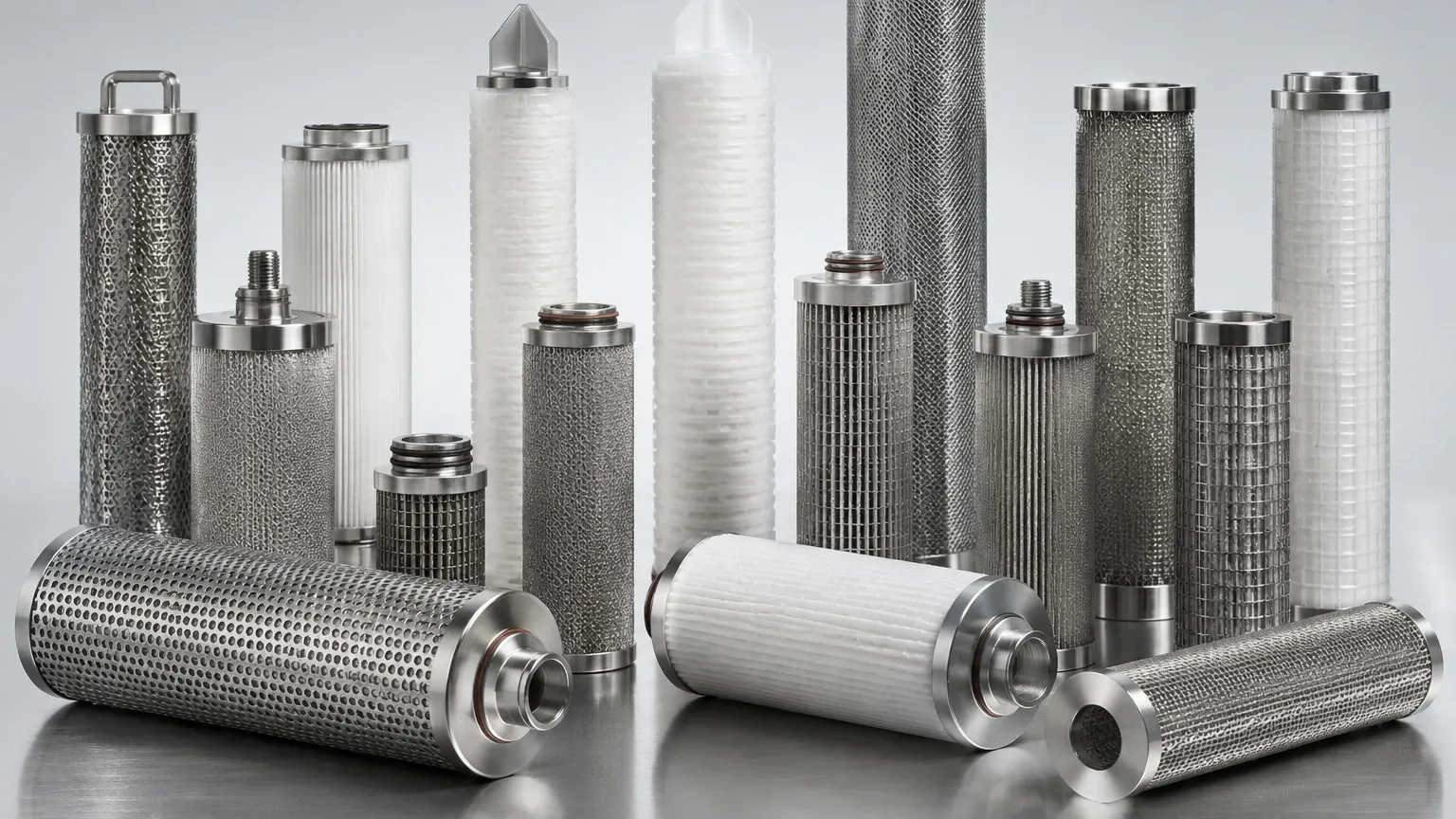
Selecting the appropriate Filter Cartridges for fuel applications requires a deep understanding of fluid dynamics, material science, and the specific environmental conditions of the application. This article examines the technical considerations, material requirements, and engineering standards necessary for effective fuel filtration in industrial B2B environments.
The Role of Filtration in Fuel System Integrity
Fuel systems are highly sensitive to particulate matter. Modern high-pressure common rail (HPCR) systems, for instance, operate at extreme pressures where even microscopic particles can act as abrasives, eroding injector nozzles and pump components. A robust filter cartridge fuel solution serves as the primary line of defense, ensuring that the fuel reaching the combustion chamber meets or exceeds the cleanliness standards defined by ISO 4406.
Filtration in fuel systems typically occurs in stages:
1. Primary Filtration: Often located on the suction side of the pump, these filters remove larger debris and a significant portion of free water. They protect the transfer pump from premature wear.
2. Secondary Filtration: Positioned on the pressure side, these cartridges focus on fine particulate removal, often targeting particles in the 2-micrometer to 10-micrometer range.
3. Final Polish: In critical applications, a final stage may be used to ensure absolute purity before the fuel enters high-value components.
Material Selection for Industrial Fuel Cartridges
Material compatibility is the cornerstone of industrial filter design. Fuel is not a static substance; it contains various additives, detergents, and, in the case of biofuels, higher levels of acidity and moisture. Consequently, the filter media and structural components must be resilient.
Stainless Steel Media
For demanding industrial applications, stainless steel (specifically grades 304 and 316L) is often the preferred material. Unlike cellulose or synthetic fibers, stainless steel wire mesh provides several distinct advantages:
* Chemical Stability: It resists corrosion from fuel additives and the acidic byproducts of fuel degradation.
* Thermal Resistance: It maintains structural integrity at high operating temperatures where polymer-based media might soften or fail.
* Mechanical Strength: Stainless steel can withstand high differential pressures without collapsing, a critical feature in high-viscosity fuel applications or cold-start conditions.
* Cleanability: Many stainless steel filter cartridge fuel elements are designed to be cleaned via backwashing or ultrasonic baths, offering a lower total cost of ownership compared to disposable units.
Sintered Metal Components
In applications requiring high precision and extreme durability, sintered metal fiber or sintered wire mesh is utilized. The sintering process bonds the metal strands at their contact points, creating a rigid, porous structure with fixed pore sizes. This ensures that the filtration rating remains constant even under fluctuating pressures, preventing "media migration" or the release of captured contaminants back into the fuel stream.
Engineering Considerations: Micron Ratings and Efficiency
When specifying a filter cartridge fuel element, engineers must distinguish between nominal and absolute micron ratings. A nominal rating refers to the filter's ability to retain a majority of particles of a certain size, whereas an absolute rating indicates that 99.9% (or higher) of particles above that size are captured.
Beta Ratio and Filtration Efficiency
The performance of a filter is often quantified by its Beta Ratio (β). For example, a β10 = 1000 rating means that for every 1,000 particles of 10 microns entering the filter, only one passes through. In critical fuel systems, high Beta ratios are essential for protecting precision injectors. Engineers must balance this efficiency with the resulting pressure drop (ΔP). As the filtration becomes finer, the resistance to flow increases, which can strain pumps and reduce system throughput if not correctly sized.
Viscosity and Flow Velocity
Fuel viscosity varies significantly with temperature. Heavy fuel oils (HFO) used in maritime applications require heating to reduce viscosity before filtration. The design of the filter cartridge fuel element must account for the maximum viscosity the system will encounter. High-velocity flow through a small filter area can cause turbulence and premature clogging; therefore, increasing the surface area through pleating is a common engineering strategy to maintain laminar flow and extend service life.
Addressing Water Contamination
Water is one of the most detrimental contaminants in fuel. It promotes the growth of "fuel bugs" (microbial colonies), causes corrosion in steel tanks, and leads to cavitation in fuel pumps. Effective fuel cartridges often incorporate coalescing technology or use hydrophobic stainless steel meshes to separate water from the fuel.
In a coalescing system, small water droplets are forced to merge into larger drops as they pass through the filter media. These larger drops then settle at the bottom of the filter housing due to their higher density, where they can be drained. Stainless steel mesh with specific surface treatments can also act as a barrier to water while allowing fuel to pass, providing a durable solution for water separation in harsh environments.
Customization and OEM Integration
Every industrial fuel system has unique spatial and performance constraints. Standard off-the-shelf filters may not meet the specific requirements of a custom-built hydraulic power unit or a specialized chemical processing line. This is where customized manufacturing becomes essential.
Customization options for a filter cartridge fuel assembly include:
* End Cap Configurations: Threaded, flanged, or bayonet-style fittings to ensure a leak-proof seal within existing housings.
* Structural Reinforcement: Internal support cores or external shrouds to handle high-pressure surges or mechanical vibrations.
* Gasket and Seal Selection: Choosing between Viton, Buna-N, or PTFE based on the chemical composition of the fuel and the operating temperature range.
* Pleat Geometry: Optimizing the number and depth of pleats to maximize surface area within a fixed footprint.
By working with a specialized manufacturer like Kaifil, engineering teams can develop Filter Cartridges that are precisely tailored to their application, ensuring optimal performance and reducing the risk of bypass or structural failure.
Maintenance, Cleaning, and Replacement Cycles
The total cost of ownership (TCO) for fuel filtration is heavily influenced by the maintenance regime. While disposable cartridges have a lower initial purchase price, the ongoing costs of replacement, disposal, and downtime can be significant.
Differential Pressure Monitoring
Industrial systems should always be equipped with differential pressure gauges. A rise in ΔP across the filter cartridge fuel element indicates that the media is becoming loaded with contaminants. Establishing a clear threshold for cleaning or replacement is vital to prevent the filter from reaching its "collapse pressure," which could lead to a catastrophic release of contaminants into the engine.
Cleaning Procedures for Stainless Steel Cartridges
For reusable stainless steel filters, the cleaning process must be handled with care to avoid damaging the fine mesh. Common methods include:
* Backflushing: Reversing the flow of clean fluid through the filter to dislodge particles.
* Ultrasonic Cleaning: Using high-frequency sound waves in a detergent bath to remove deeply embedded particulates.
* Chemical Cleaning: Utilizing specific solvents to dissolve varnishes or organic deposits without corroding the stainless steel.
Properly maintained metal cartridges can last for several years, significantly reducing the environmental impact and logistical burden associated with frequent filter changes.
Evaluating Total Cost and Performance
When procuring filtration solutions, purchasing teams must look beyond the unit price. A low-cost filter cartridge fuel element that fails to meet its efficiency rating or requires frequent replacement can lead to thousands of dollars in lost productivity and repair costs. Key factors to confirm before purchase include:
* Validation Testing: Does the manufacturer provide data on bubble point tests, collapse pressure, and filtration efficiency?
* Material Certification: Can the supplier provide mill certificates for the stainless steel used?
* Application Support: Does the manufacturer offer engineering guidance on sizing and material compatibility?
In conclusion, the filter cartridge fuel element is a small but vital component in the industrial landscape. Whether it is protecting a massive marine engine or a sensitive chemical reactor, the choice of filtration media, design, and construction material directly impacts the reliability of the entire system. By prioritizing high-quality stainless steel Filter Cartridges and adhering to rigorous engineering standards, industrial operators can ensure long-term efficiency and minimize the risks associated with fuel contamination.
