


Filter I Element
In industrial filtration, the core functional component responsible for removing contaminants from a fluid or gas stream is often referred to as the filter element. Within specific technical specifications and procurement documentation, the term filter i element frequently identifies the internal, replaceable unit that performs the actual separation. For engineers and maintenance professionals, selecting the correct internal element is critical to ensuring system integrity, protecting downstream equipment, and maintaining process efficiency.
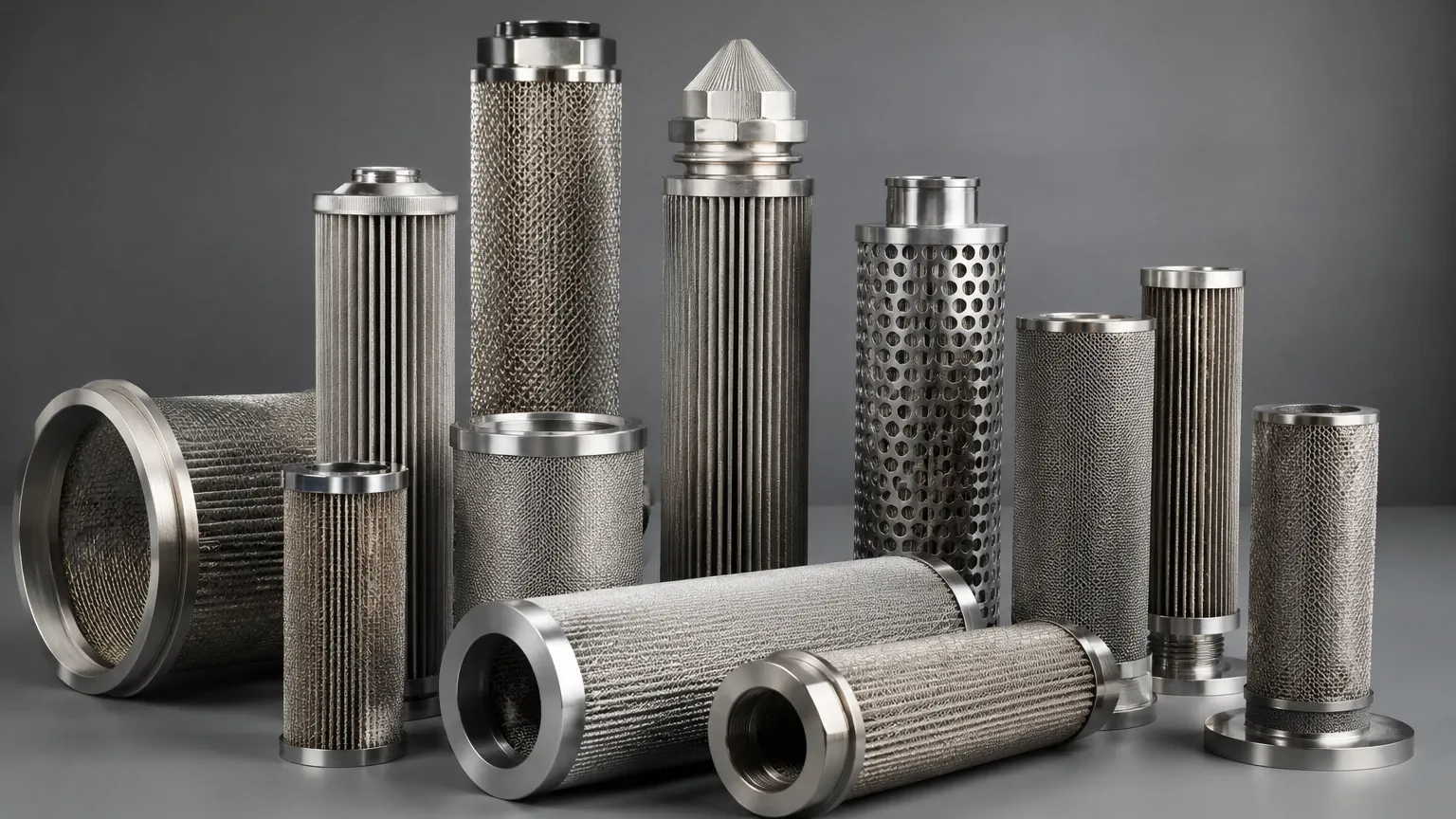
Industrial filtration systems rely on Filter Cartridges to provide a barrier against particulate matter. These elements must be engineered to withstand the specific chemical, thermal, and mechanical stresses of their operating environment. This guide examines the technical parameters, material considerations, and engineering criteria essential for selecting and maintaining a high-performance filter i element.
The Technical Significance of the Filter I Element
The filter i element serves as the primary interface between the contaminated process fluid and the clean effluent. Unlike the filter housing, which is a permanent pressure vessel, the element is a consumable or cleanable component designed for specific performance metrics. Its primary role is to trap particles of a defined size while allowing the carrier fluid to pass with minimal resistance.
In high-pressure hydraulic systems, chemical processing plants, and food production lines, the structural integrity of the filter i element is paramount. If an element fails due to pressure surges or chemical degradation, it can lead to catastrophic downstream contamination. Therefore, the design of the element must account for the "collapse pressure"—the maximum differential pressure the element can withstand before structural failure occurs. For stainless steel elements, this is typically much higher than for polymer-based alternatives, making them suitable for demanding industrial applications.
Material Science in Metal Filtration
Material selection is the first step in engineering a reliable filter i element. Metal filters, particularly those manufactured from stainless steel, offer advantages in durability and temperature resistance that synthetic fibers cannot match.
Stainless Steel Alloys
* Type 304 Stainless Steel: Suitable for general industrial applications where basic corrosion resistance is required. It is commonly used in water treatment and less aggressive chemical environments.
* Type 316L Stainless Steel: The "L" denotes low carbon, which improves weldability and resistance to intergranular corrosion. 316L contains molybdenum, providing superior resistance to chlorides and acids, making it the standard for pharmaceutical, food and beverage, and marine applications.
* Specialty Alloys: For extreme environments involving high temperatures or highly corrosive media, alloys such as Monel, Hastelloy, or Inconel may be utilized to ensure the longevity of the filter i element.
Media Types
The physical structure of the filtration media determines the element's efficiency and dirt-holding capacity. Common types include:
* Woven Wire Mesh: Available in various weaves (plain, twill, or dutch), this media provides precise surface filtration. It is easily cleaned and ideal for removing hard, non-deformable particles.
* Sintered Metal Fiber: Produced by compressing and bonding random stainless steel fibers, this media offers high porosity and excellent dirt-holding capacity, functioning as a depth filter.
* Sintered Multi-layer Mesh: Multiple layers of wire mesh are sintered together to create a robust, rigid structure that combines fine filtration with high mechanical strength.
Design Configurations of Industrial Filter Cartridges
The geometry and construction of the filter i element are optimized based on the required flow rate and the available space within the housing. Most industrial designs fall into two categories: cylindrical and pleated.
Cylindrical Elements
Cylindrical elements consist of a simple, smooth surface of filtration media. These are typically used in applications with low solids loading or where the ease of cleaning the surface is the primary concern. They offer a predictable flow path but have a limited surface area compared to pleated designs.
Pleated Elements
Pleating involves folding the filtration media to significantly increase the effective surface area within the same footprint. For a filter i element, pleating can increase the surface area by 300% to 900% compared to a cylindrical design. This results in:
* Lower Initial Differential Pressure: More area for the fluid to pass through reduces resistance.
* Higher Dirt-Holding Capacity: The element can trap more contaminants before reaching its terminal pressure drop.
* Extended Service Life: Longer intervals between cleaning or replacement cycles, reducing total cost of ownership.
Evaluating Micron Ratings and Filtration Efficiency
When specifying a filter i element, understanding the difference between nominal and absolute micron ratings is essential for process control.
Nominal Micron Rating
A nominal rating is an indicative value, usually representing the ability of the filter to retain a certain percentage (e.g., 60% to 90%) of particles of a specific size. It does not guarantee that larger particles will not pass through the media. Nominal filters are often used for pre-filtration stages where total removal is not required.
Absolute Micron Rating
An absolute rating implies that the filter i element has been tested to ensure that 99.9% (or higher) of particles above a specific micron size are retained. This is critical in applications such as sterile filtration in pharmaceuticals or protecting high-precision nozzles in chemical spraying. For metal filters, the absolute rating is often verified using the "Bubble Point Test," which measures the pressure required to force air through the pores of a wetted media.
Customization and Engineering for OEM Requirements
Many industrial systems require a filter i element that deviates from standard off-the-shelf dimensions. Customization is often necessary to accommodate specific flow dynamics or to retrofit existing housings. Key customization parameters include:
1. End Cap Configurations: Elements can be designed with Double Open Ends (DOE) or Single Open Ends (SOE). SOE elements often feature specific locking mechanisms, such as 222 or 226 O-ring fittings with fins or bayonet locks, to ensure a bypass-free seal.
2. Reinforcement Cores: In high-viscosity or high-pressure applications, an internal perforated core or external cage is added to the filter i element to provide structural support against deformation.
3. Seal Materials: The choice of O-ring or gasket material (Buna-N, EPDM, Viton, or PTFE) must be compatible with the process fluid and the operating temperature to prevent leaks.
By working with a specialized manufacturer, engineers can define these variables to produce a bespoke filter i element that meets the exact needs of their machinery.
Operational Longevity and Cleaning Procedures
One of the primary advantages of using a stainless steel filter i element is its ability to be cleaned and reused. Unlike disposable polymer cartridges, metal elements represent a higher initial investment but offer a lower long-term cost through multiple service cycles.
Cleaning Methods
* Backwashing: Reversing the flow of the fluid to dislodge particles from the surface of the media. This is often automated in continuous filtration systems.
* Ultrasonic Cleaning: Placing the element in an ultrasonic bath where high-frequency sound waves create cavitation bubbles that remove fine particulates from deep within the mesh or sintered fibers.
* Chemical Cleaning: Using compatible solvents or detergents to dissolve organic or inorganic deposits that cannot be removed mechanically.
* Burn-off (Pyrolysis): For elements used in polymer or resin filtration, high-temperature ovens can be used to burn off the trapped material, followed by ultrasonic cleaning to remove the ash.
Monitoring Performance
Operators should monitor the differential pressure (ΔP) across the filter i element. A gradual increase in ΔP indicates particulate loading. Once the ΔP reaches a pre-determined limit (the terminal pressure drop), the element must be cleaned or replaced. Consistent monitoring prevents the risk of element collapse or "media migration," where the pressure forces contaminants through the media.
Selecting the Correct Filter I Element for Specific Industries
The application environment dictates the necessary specifications for the filter i element.
* Chemical Processing: Requires high resistance to corrosive agents. 316L stainless steel or specialized alloys are standard. The focus is on preventing downstream contamination of sensitive chemical reactions.
* Food and Beverage: Elements must be made from FDA-approved materials and be capable of withstanding Steam-In-Place (SIP) or Clean-In-Place (CIP) sterilization processes. Smooth surface finishes are required to prevent bacterial growth.
* Hydraulic Systems: The filter i element must handle high-pressure pulses and protect sensitive valves from wear-causing metal shavings and environmental dust.
* Water Treatment: Focuses on high flow rates and the removal of suspended solids. Durability and ease of backwashing are the primary concerns for large-scale municipal or industrial water systems.
Conclusion
The filter i element is a critical component that determines the success of an industrial filtration strategy. By prioritizing material compatibility, structural design, and precise micron ratings, engineers can ensure their systems operate reliably under the most demanding conditions. Whether for standard Filter Cartridges or custom-engineered solutions, understanding the technical boundaries of metal filtration is the first step toward optimized performance and reduced operational costs.
