


New Filter Cartridges
In industrial processing, the efficiency of a filtration system is often defined by the performance of its core components. Selecting new filter cartridges is not merely a procurement task but a critical engineering decision that impacts product purity, equipment longevity, and operational overhead. Whether upgrading an existing system or designing a new filtration sequence, understanding the technical nuances of stainless steel filtration media is essential for maintaining process integrity.
Industrial environments, particularly those involving high temperatures, corrosive chemicals, or stringent hygiene standards, require filtration solutions that exceed the capabilities of standard polymer-based media. This guide explores the technical considerations, material specifications, and selection criteria necessary for integrating high-performance filter cartridges into modern industrial applications.
Understanding the Role of Modern Filter Cartridges in Industrial Systems
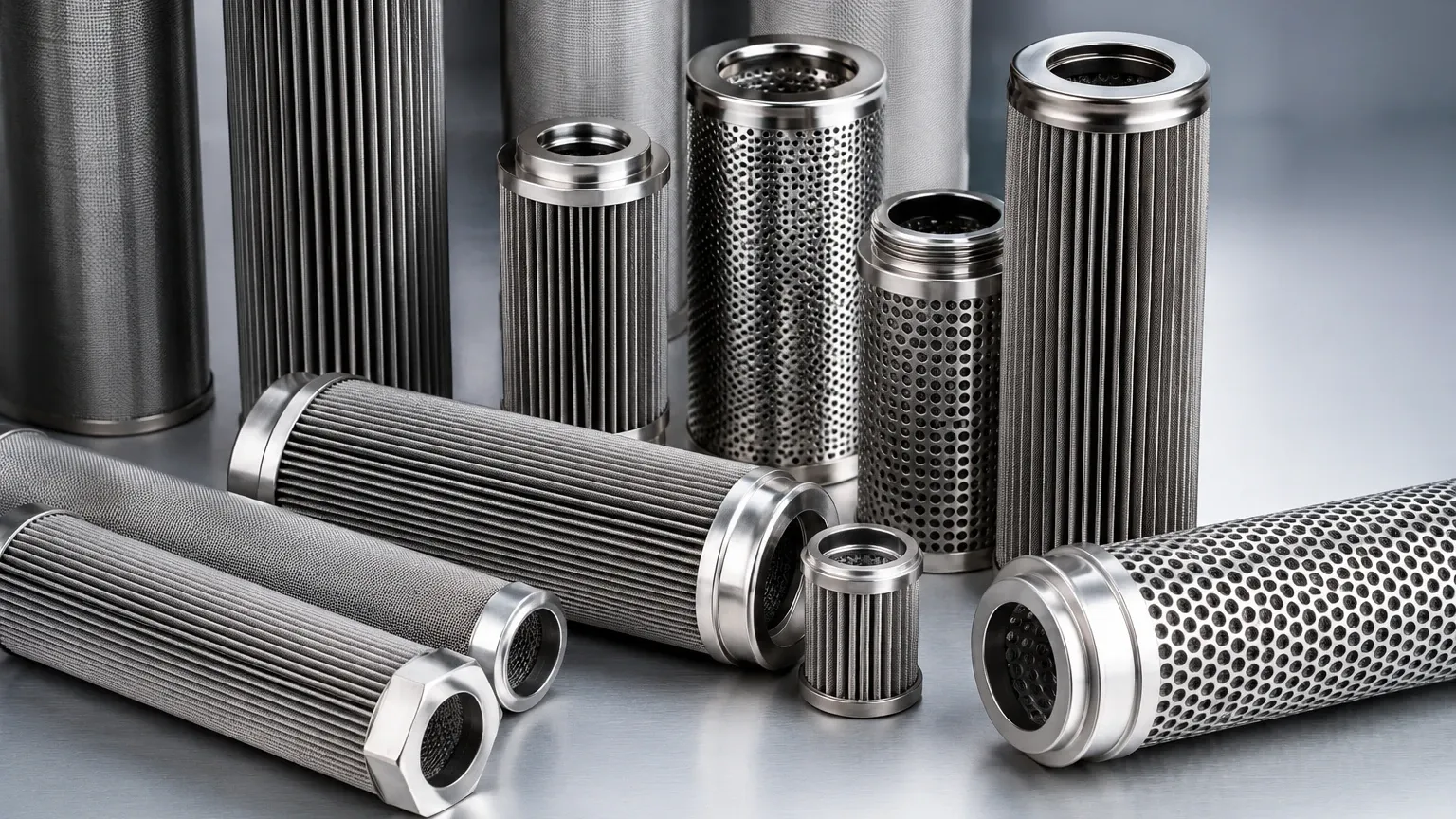
Filter cartridges serve as the primary barrier against contaminants in liquid and gas streams. Unlike bulk filtration methods, cartridges provide a defined surface area and precise micron ratings, allowing for predictable separation of solids from fluids. In heavy-duty industries, the shift toward stainless steel Filter Cartridges has become more pronounced due to their structural rigidity and reusable nature.
When engineers evaluate new filter cartridges, they must consider the mechanical stresses the component will face. Unlike disposable depth filters, stainless steel cartridges are designed to withstand high differential pressures without media migration or bypass. This makes them ideal for high-viscosity fluids, hydraulic systems, and high-pressure steam filtration where structural failure could lead to catastrophic downstream contamination.
Key Engineering Considerations for Material Selection
The performance of new filter cartridges is fundamentally linked to the materials used in their construction. In the realm of metal filtration, the choice usually centers on various grades of stainless steel, each offering distinct advantages for specific environments.
SS304 vs. SS316L
Stainless steel 304 is the standard for general industrial use, providing excellent strength and basic corrosion resistance. However, for applications involving chlorides or acidic environments—common in chemical processing and marine applications—SS316L is preferred. The "L" denotes low carbon content, which improves weldability and reduces the risk of intergranular corrosion at the weld points, ensuring the cartridge remains intact throughout its service life.
Sintered vs. Pleated Media
Selecting the right media structure is vital for optimizing flow and filtration accuracy:
* Sintered Wire Mesh: This involves multiple layers of stainless steel wire cloth bonded through a heat-treatment process. It results in a robust, multi-layered structure with fixed pore sizes, ideal for backwashing and high-pressure applications.
* Pleated Metal Mesh: By pleating the wire mesh, the effective filtration surface area is significantly increased. This allows for higher flow rates and a higher dirt-holding capacity within the same footprint, making it an excellent choice for systems where space is limited but high throughput is required.
Evaluating Performance: Flow Rates and Differential Pressure
One of the most critical metrics when installing new filter cartridges is the initial differential pressure (ΔP). This represents the resistance to flow caused by the filter media. A high initial ΔP can indicate that the filter is too restrictive for the application, leading to premature clogging and increased energy consumption by the pumps.
Engineers must balance the micron rating (the size of particles the filter can trap) with the required flow rate. A common mistake is selecting a filter with a much finer rating than necessary, which leads to frequent cleaning cycles. By analyzing the particle size distribution of the fluid, technical teams can select a micron rating that protects downstream equipment while maximizing the interval between maintenance events.
Furthermore, the "absolute" vs. "nominal" rating of new filter cartridges must be clarified. An absolute rating implies that 99.9% of particles of a specific size will be captured, whereas a nominal rating is an average efficiency. In pharmaceutical or precision chemical applications, absolute-rated cartridges are mandatory to ensure consistent quality.
Customization and OEM Integration
Standard off-the-shelf solutions often fail to meet the unique constraints of specialized industrial machinery. This is where the value of customized filtration components becomes apparent. When sourcing new filter cartridges, engineers should confirm compatibility with existing housing dimensions and end-cap configurations.
Common end-cap styles include:
* Double Open End (DOE): A simple gasket-sealed design used in standard housings.
* 222/226 O-Ring Designs: These provide a more secure, leak-proof seal, often featuring a locking fin or bayonet to ensure the cartridge remains seated under high pressure.
* Threaded Connections: Used in high-vibration or high-pressure environments where a mechanical lock is necessary to prevent bypass.
Customization also extends to the length and diameter of the cartridge. By working with a manufacturer that offers OEM services, purchasing teams can ensure that the filtration media is tailored to the specific viscosity and temperature of their process fluid, rather than forcing a standard product into a non-standard application.
Maintenance and Replacement Cycles: Maximizing Service Life
The total cost of ownership (TCO) for filtration is determined not just by the purchase price of new filter cartridges, but by their longevity and ease of maintenance. Stainless steel cartridges offer a significant advantage here: cleanability.
Unlike polymer filters that must be discarded once they reach their terminal differential pressure, metal cartridges can often be cleaned through backwashing, ultrasonic cleaning, or chemical soaking. This extends the service life of the component from weeks to years, significantly reducing waste and long-term procurement costs.
However, there is a limit to how many times a cartridge can be cleaned. Over time, persistent particulates can become embedded deep within the mesh layers, or the structural integrity of the mesh may degrade due to repeated thermal cycling. Monitoring the "clean" differential pressure after each maintenance cycle is essential; once the clean ΔP remains significantly higher than the original factory specification, it is time to invest in new filter cartridges to prevent pump strain and maintain flow efficiency.
Industry-Specific Requirements and Compliance
Different sectors impose varying regulatory and performance standards on filtration components. When selecting new filter cartridges, it is essential to verify that the product meets the specific needs of the industry:
* Food and Beverage: Cartridges must be made from FDA-compliant materials and feature smooth, burr-free surfaces to prevent bacterial growth. They must also be capable of withstanding Clean-in-Place (CIP) procedures involving steam or caustic agents.
* Pharmaceutical: High precision and absolute micron ratings are required to ensure the removal of bacteria and pyrogens. Material traceability is often a requirement for compliance.
* Chemical Processing: Resistance to a wide range of pH levels and temperatures is the primary concern. Sintered metal cartridges are often the only viable option for aggressive solvent filtration.
* Hydraulic Systems: Filters must handle high-pressure surges and protect sensitive valves from metallic wear particles. High mechanical strength is the priority here to prevent media collapse.
Conclusion: Making an Informed Decision
Investing in new filter cartridges requires a comprehensive understanding of the operational environment, fluid dynamics, and material science. By focusing on high-quality stainless steel options, industrial facilities can achieve a balance between filtration precision and mechanical durability.
Before finalizing a purchase, technical teams should confirm the chemical compatibility of the gaskets and seals, the required micron rating based on particle analysis, and the expected flow rates. By choosing a partner capable of providing customized engineering support and reliable manufacturing, companies can ensure that their filtration systems operate at peak efficiency, protecting both their products and their bottom line. For those looking to optimize their processes, exploring the full range of available Filter Cartridges is the first step toward a more robust and cost-effective filtration strategy.
