


Filter Replacement on Lg Fridge
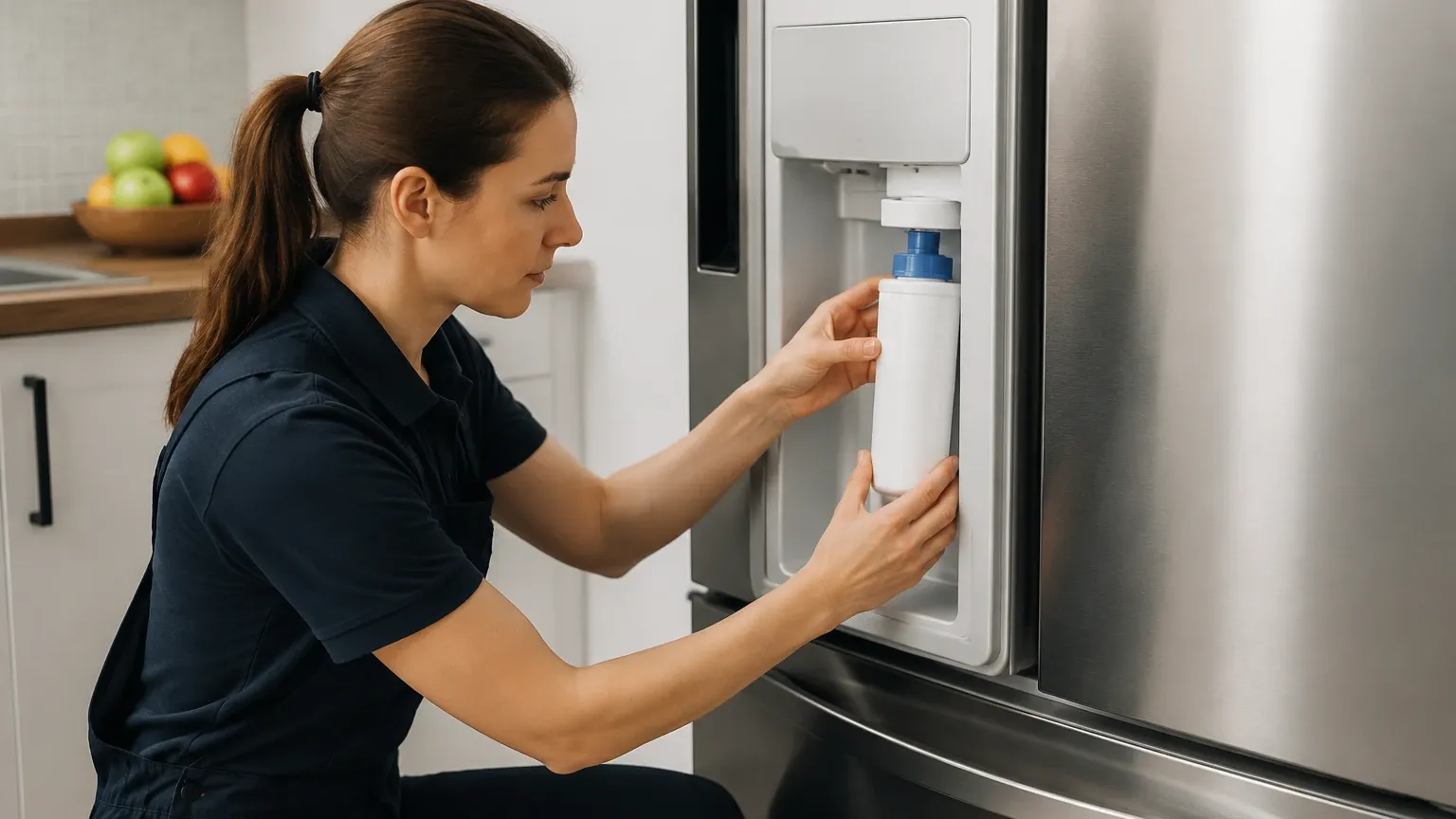
In both residential appliances and industrial processing systems, the integrity of a filtration system relies heavily on the frequency and quality of component maintenance. While a task such as a filter replacement on LG fridge may seem like a simple household chore, it mirrors the fundamental engineering principles found in high-stakes industrial environments. Whether managing a domestic refrigerator or a large-scale chemical processing plant, understanding the mechanics of Filter Cartridges is essential for maintaining fluid purity and system longevity.
For engineers and procurement professionals, the transition from consumer-grade maintenance to industrial filtration management involves a shift in focus from simple "plug-and-play" convenience to rigorous technical specifications, material compatibility, and total cost of ownership (TCO). This guide examines the technical aspects of filter replacement, the engineering behind cartridge design, and how industrial-grade stainless steel solutions provide superior performance in demanding applications.
The Engineering Logic Behind Filter Replacement
The primary reason for a filter replacement on LG fridge—or any pressurized fluid system—is the inevitable accumulation of particulates. In a refrigerator, these are typically sediment, chlorine, and organic compounds. In industrial settings, the contaminants are often more aggressive, including metal shavings, chemical precipitates, or biological loads.
Pressure Differential and Flow Decay
As a filter cartridge captures contaminants, the available surface area for fluid passage decreases. This leads to an increase in differential pressure (ΔP). In consumer units, this is often signaled by a simple timer or a decrease in water flow at the dispenser. In industrial systems, transducers monitor this pressure drop precisely. When the ΔP reaches a specific threshold, the structural integrity of the filter medium is at risk, and bypass or media migration may occur. Replacing the cartridge before this point is reached is critical to preventing downstream contamination.
Media Exhaustion
In many refrigerator filters, activated carbon is the primary medium. Carbon works through adsorption, where contaminants chemically bond to the surface of the carbon pores. Once these sites are occupied, the filter is "exhausted." Industrial filter cartridges, particularly those manufactured by Kaifil, often utilize stainless steel wire mesh or sintered metal. These do not rely on adsorption but on mechanical exclusion, allowing for a more predictable and often cleanable service life.
Comparing Consumer and Industrial Filter Cartridges
While the goal of a filter replacement on LG fridge is to ensure clean drinking water, industrial filtration requirements are far more diverse. Understanding the differences in construction and material science helps technical teams select the right components for their specific infrastructure.
| Feature | Consumer Refrigerator Filters | Industrial Stainless Steel Cartridges |
| :— | :— | :— |
| Housing Material | Polypropylene / BPA-free plastic | 304/316L Stainless Steel |
| Filtration Media | Activated Carbon Block | Sintered Mesh / Pleated Wire Cloth |
| Temperature Range | 33°F – 100°F | -200°C to 600°C+ |
| Pressure Rating | 20 – 120 PSI | Up to 5,000+ PSI (application dependent) |
| Chemical Resistance | Low (Water only) | High (Acids, Solvents, Alkalis) |
| Reusability | Disposable | Cleanable and Reusable |
For industrial applications, the move toward stainless steel Filter Cartridges is driven by the need for durability. Unlike plastic-housed filters used in household appliances, stainless steel components can withstand hydraulic shock, high thermal gradients, and aggressive cleaning cycles (CIP/SIP) common in the pharmaceutical and food and beverage industries.
Technical Selection Criteria for Industrial Filtration
When moving beyond the basic requirements of a filter replacement on LG fridge, engineers must evaluate several technical parameters to ensure the chosen cartridge meets the process demands.
Micron Rating: Absolute vs. Nominal
In consumer filters, ratings are often generalized. In industrial B2B procurement, the distinction between absolute and nominal ratings is vital.
- Nominal Rating: Indicates the ability of the filter to retain a majority of particulates of a certain size (e.g., 90% of 5-micron particles).
- Absolute Rating: Refers to the diameter of the largest hard spherical particle that will pass through the filter under specified test conditions. For critical pharmaceutical or chemical processes, absolute-rated stainless steel mesh is often the standard.
Chemical Compatibility
A filter replacement on LG fridge only needs to be compatible with potable water. Industrial cartridges, however, must be compatible with the process fluid and the cleaning agents used. 316L stainless steel is the preferred material for Kaifil’s custom solutions because of its superior resistance to pitting and crevice corrosion, especially in chloride-rich environments.
Structural Strength and Pleating
To increase the surface area without increasing the overall footprint of the filter housing, industrial cartridges often utilize pleated designs. Pleating the stainless steel wire mesh allows for higher flow rates and lower initial pressure drops. This is a significant upgrade over the solid block designs found in many consumer appliances, which can restrict flow significantly as they clog.
Maintenance Cycles and Performance Monitoring
One of the most common questions regarding filter replacement on LG fridge is "how often?" Typically, the answer is every six months. In an industrial context, the replacement cycle is determined by data rather than a calendar.
1. Continuous Monitoring: Utilizing pressure gauges upstream and downstream of the filter housing allows operators to track the "loading curve" of the cartridge.
2. Predictive Maintenance: By analyzing how quickly a cartridge reaches its terminal pressure drop, facilities can predict when a replacement is needed, preventing unscheduled downtime.
3. Cleaning vs. Replacement: One of the primary advantages of Kaifil’s stainless steel Filter Cartridges is that they are often cleanable. Through ultrasonic cleaning, backwashing, or chemical steeping, these cartridges can be restored to near-original pressure drop levels, significantly reducing the long-term cost compared to disposable plastic filters.
Customization and OEM Integration
In many B2B scenarios, a standard off-the-shelf filter is insufficient. Just as different refrigerator models require specific filter geometries for a proper seal, industrial equipment requires precision-engineered interfaces.
Kaifil specializes in OEM and customized filtration solutions. This includes:
- Custom End Caps: Threaded, flanged, or bayonet-style fittings to ensure a leak-proof seal in high-pressure systems.
- Variable Lengths and Diameters: Designing cartridges to fit existing housings or specialized machinery footprints.
- Reinforced Cores: For applications involving high-viscosity fluids or extreme pressure differentials, internal support cores prevent the collapse of the filtration media.
Total Cost of Ownership (TCO) Considerations
While the upfront cost of a stainless steel industrial filter is higher than a disposable consumer filter, the TCO is often much lower. When evaluating filtration solutions, purchasing teams should consider:
- Disposal Costs: Industrial waste, especially if contaminated with hazardous chemicals, is expensive to process. Reusable stainless steel filters eliminate this waste stream.
- Downtime: High-quality cartridges with optimized surface areas require less frequent intervention.
- Energy Efficiency: A filter that maintains a lower pressure drop for a longer period reduces the load on pumps, leading to significant energy savings over the life of the system.
Conclusion: Selecting the Right Filtration Partner
Whether you are researching the steps for a filter replacement on LG fridge for a small office breakroom or specifying high-performance Filter Cartridges for a global manufacturing line, the core objective remains the same: protecting the system and ensuring the purity of the output.
Kaifil provides the technical expertise and manufacturing precision required to transition from basic filtration to high-efficiency industrial solutions. By focusing on durable materials like stainless steel and offering customized engineering support, Kaifil helps industrial operators achieve reliable, cost-effective, and high-performance filtration. For engineers looking to optimize their processes, understanding these technical boundaries is the first step toward superior system performance.
