


Quooker Filter Cartridges
In the landscape of specialized water systems, the performance of the filtration component is critical to both the longevity of the equipment and the quality of the output. Quooker filter cartridges represent a specific engineering solution designed to handle the unique challenges of high-temperature, instant-boiling water systems. For engineers and facility managers, understanding the technical specifications, material composition, and maintenance requirements of these cartridges is essential for ensuring system reliability.
Industrial filtration often requires a balance between flow rate, pressure stability, and contaminant removal. When dealing with systems that provide boiling, chilled, or sparkling water, the filtration media must be capable of operating under varying thermal and pressure conditions without degrading. This article examines the technical aspects of specialized filtration components, drawing parallels between consumer-grade solutions and the industrial-grade Filter Cartridges manufactured for demanding process environments.
The Role of Filtration in Boiling Water Systems
Boiling water taps, such as those produced by Quooker, rely on integrated filtration to protect the heating element and the vacuum flask from scale buildup. Scale, primarily composed of calcium and magnesium carbonates, is the leading cause of efficiency loss and mechanical failure in water heating equipment.
Quooker filter cartridges typically utilize a combination of technologies, including High Temperature Activated Carbon (HiTAC) and ion-exchange resins. The HiTAC filter is specifically designed to remain stable at high temperatures, ensuring that the water remains sterile and free of chlorine, which can affect taste and cause corrosion in stainless steel components over time. For industrial applications, the choice of carbon media and the structural integrity of the cartridge housing are paramount to preventing bypass and ensuring consistent water chemistry.
Technical Specifications of Quooker Filter Cartridges
The engineering behind these cartridges focuses on three primary objectives: chemical adsorption, mechanical filtration, and scale inhibition.
1. Adsorption via Activated Carbon
The HiTAC filter within many Quooker systems uses a specialized form of activated carbon. Unlike standard carbon blocks that may lose structural integrity or adsorption efficiency when exposed to consistent heat, these materials are processed to maintain a high surface area for the removal of organic compounds and disinfectants. In a B2B context, the iodine number and pore size distribution of the carbon are the key metrics used to evaluate the performance of these media.
2. Scale Control and Ion Exchange
In regions with hard water, the Quooker Scale Control Plus cartridge is often employed. This cartridge utilizes an ion-exchange resin that swaps scale-forming ions (calcium and magnesium) with sodium or hydrogen ions. This process is critical for preventing the calcification of the internal heating elements. From an engineering perspective, the resin capacity (measured in grains or equivalents per liter) determines the service life of the cartridge based on the local water hardness levels.
3. Mechanical Filtration
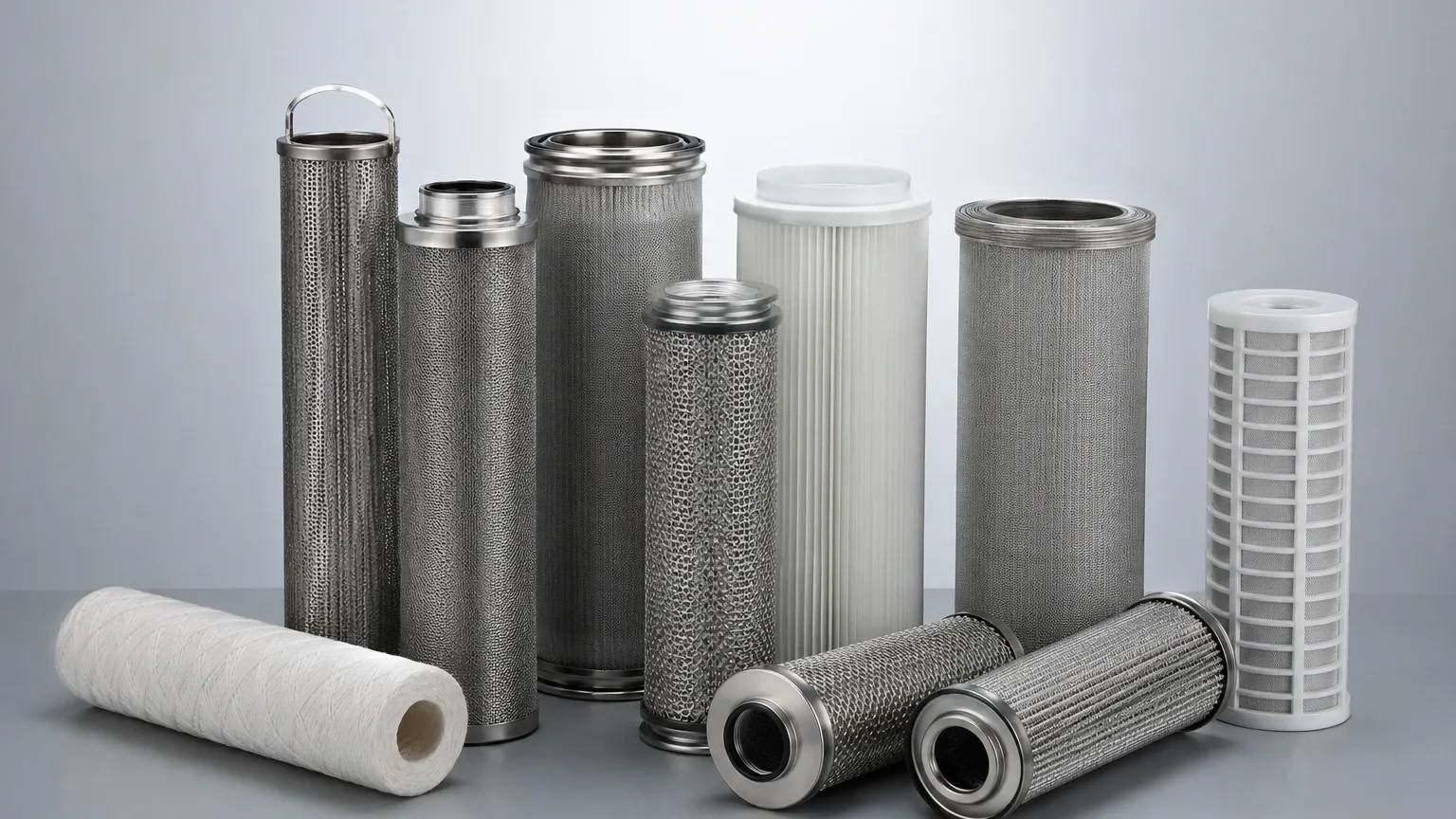
Beyond chemical treatment, the cartridge must act as a mechanical barrier against suspended solids. While many domestic systems use polymer-based membranes, industrial equivalents often transition to stainless steel wire mesh or sintered metal media to provide higher pressure ratings and backwashing capabilities. The micron rating of the cartridge determines the smallest particle size that can be effectively captured, typically ranging from 1 to 10 microns for potable water applications.
Engineering Considerations: Material Selection and Durability
When selecting or designing Filter Cartridges for specialized applications, material compatibility is the first line of evaluation. While many Quooker filter cartridges use food-grade plastics for their housings, industrial environments often demand the use of 304 or 316L stainless steel.
Stainless Steel vs. Polymer Housings
In industrial process filtration, stainless steel offers several advantages over plastic:
* Thermal Stability: Stainless steel does not soften or leach chemicals at elevated temperatures, making it ideal for steam or boiling water applications.
* Pressure Resistance: Metal cartridges can withstand significantly higher differential pressures before structural failure occurs.
* Longevity: Stainless steel components are often cleanable and reusable, reducing the total cost of ownership compared to disposable plastic cartridges.
For systems like Quooker, the use of high-quality polymers is sufficient for domestic and light commercial use, but as the scale of the application increases—such as in large-scale food processing or pharmaceutical water systems—the transition to precision metal filtration becomes necessary to ensure safety and compliance with stringent industry standards.
Evaluating Performance: Flow Rates and Pressure Drop
A critical factor in the design of any filtration system is the relationship between the filtration surface area and the flow rate. In a Quooker system, the flow must be sufficient to provide instant water without a significant drop in pressure that could affect the delivery of boiling or sparkling water.
Engineers calculate the "clean pressure drop" (the initial resistance of the filter) and the "terminal pressure drop" (the point at which the filter is considered blinded and must be replaced). For Quooker filter cartridges, the internal geometry is optimized to maximize the contact time between the water and the filtration media while minimizing resistance. If a cartridge is not replaced on schedule, the accumulation of trapped particles increases the pressure drop, which can strain the system's pumps and reduce the flow at the tap.
Maintenance and Replacement Cycles
The service life of a filter cartridge is not a fixed duration but a function of water throughput and contaminant load. For most Quooker systems, a replacement interval of 6 to 12 months is recommended, or after a specific volume of water has been processed (e.g., 2,500 to 4,000 liters, depending on the model).
In a professional or industrial setting, relying on a calendar date is often insufficient. Instead, technical teams should monitor:
1. Water Hardness Levels: Periodic testing of the effluent water can indicate when the ion-exchange resin is exhausted.
2. Flow Rate Monitoring: A noticeable decrease in flow often signals that the mechanical filtration layer is saturated with sediment.
3. Sensory Analysis: In food and beverage applications, any change in the taste or odor of the water indicates that the activated carbon has reached its adsorption limit.
Customization and OEM Solutions in Filtration
While Quooker provides standardized cartridges for their proprietary systems, many industrial manufacturers require customized filtration solutions that meet specific footprint or performance requirements. This is where manufacturers like Kaifil provide significant value. By leveraging advanced manufacturing capabilities, it is possible to develop custom stainless steel filter cartridges that mimic the performance of specialized consumer filters but with the durability required for industrial processing.
Customization options often include:
* Variable Micron Ratings: Tailoring the mesh size to specific particulate challenges.
* End-Cap Configurations: Ensuring compatibility with existing housing manifolds.
* Reinforced Cores: Allowing the cartridge to handle high-viscosity fluids or high-pressure surges without collapsing.
For purchasing teams, the ability to source OEM-quality components that meet or exceed the original specifications is a key strategy for maintaining operational efficiency while managing costs.
Common Risks and Mitigation in Cartridge Selection
Using substandard or incompatible filter cartridges can lead to several technical failures. In the context of high-temperature taps, the risks include:
* Media Migration: If the internal membranes of a cartridge fail, carbon fines or resin beads can enter the water stream, potentially damaging the boiler's valves and sensors.
* Scale Breakthrough: An exhausted or poor-quality scale control cartridge will allow minerals to precipitate inside the heating tank, leading to increased energy consumption and eventually a complete system blockage.
* Bacterial Growth: If a filter is left in place beyond its service life, the accumulated organic matter can become a breeding ground for bacteria, especially in the non-heated sections of the system.
To mitigate these risks, it is essential to source Filter Cartridges from reputable manufacturers who provide documented material certifications and performance data.
Conclusion: Selecting the Right Filtration Strategy
Whether maintaining a Quooker system in a commercial kitchen or designing a large-scale industrial water treatment plant, the principles of effective filtration remains the same. The cartridge must be matched to the specific contaminants present in the source water, the thermal requirements of the system, and the desired flow characteristics.
For engineers, the focus should always be on the technical integrity of the filtration media and the structural reliability of the cartridge. While disposable solutions like Quooker filter cartridges are highly effective for their intended applications, industrial-grade metal filtration offers a robust alternative for more demanding environments. By understanding the engineering boundaries of these components, purchasing teams can make informed decisions that protect their equipment and ensure the highest water quality standards.
