


Filter Cartridge Type Iii
In the landscape of industrial filtration, the term "Type III" often serves as a designation for specific dimensional standards and performance characteristics. While frequently associated with various consumer-grade filtration systems, the industrial application of a filter cartridge type iii requires a much more rigorous approach to material selection, structural integrity, and filtration efficiency. For engineers and procurement specialists, understanding the transition from standard specifications to high-performance industrial solutions is critical for maintaining system uptime and protecting sensitive downstream equipment.
Industrial filtration demands more than just basic sediment removal. It requires components that can withstand high differential pressures, extreme temperatures, and corrosive chemical environments. When a system is designed around the filter cartridge type iii specification, the choice of media—whether synthetic or metallic—determines the long-term operational cost and the reliability of the entire process.
Understanding the Specifications of Filter Cartridge Type III
The designation "Type III" typically refers to a specific set of physical dimensions, including the outer diameter, inner diameter, and overall length. In many standardized systems, these dimensions are critical for ensuring a proper seal within the filter housing. A failure to match these dimensions precisely can lead to fluid bypass, where unfiltered liquid moves around the cartridge rather than through the media, potentially contaminating the entire batch.
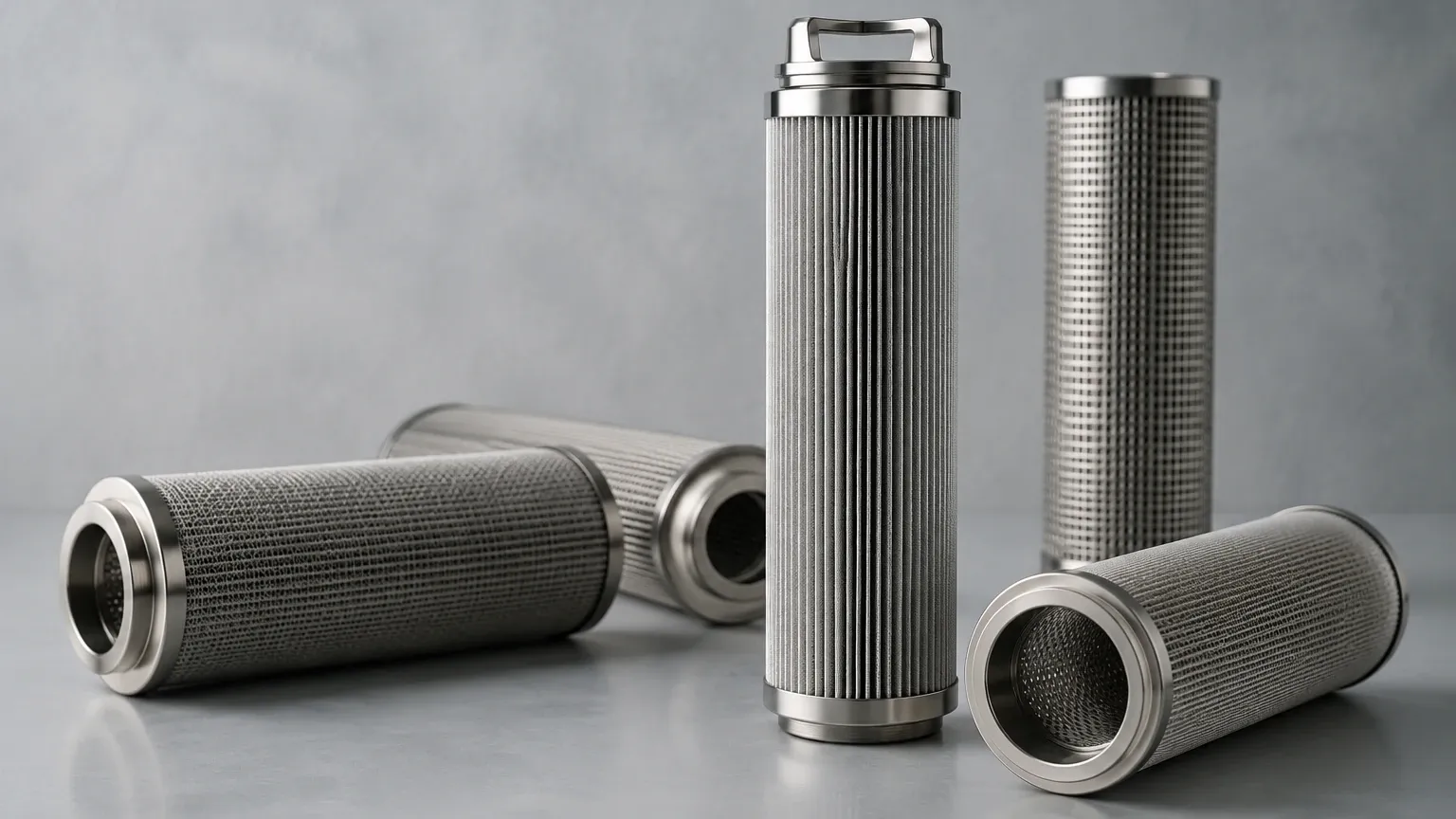
From an engineering perspective, the filter cartridge type iii is defined by its surface area and the resulting flow dynamics. In industrial settings, these cartridges are often used in multi-round housings where several units work in parallel to handle high flow rates. The physical structure must be robust enough to prevent collapsing under pressure. While standard units might use plastic cores, industrial-grade versions often utilize stainless steel center tubes to provide the necessary mechanical strength.
When specifying Filter Cartridges for a new or existing system, it is essential to confirm the end-cap configuration. Whether the system requires a Double Open End (DOE) design or a Single Open End (SOE) with specific O-ring codes (such as Code 7 or Code 3), the compatibility of the filter cartridge type iii with the housing's sealing surface is the first line of defense against filtration failure.
Material Engineering: Stainless Steel vs. Synthetic Media
One of the most significant decisions an engineer must make regarding the filter cartridge type iii is the choice of filtration media. While many off-the-shelf Type III cartridges utilize pleated paper or polyester, industrial applications often demand the durability of stainless steel wire mesh or sintered metal fibers.
Durability and Reusability
Synthetic media are typically disposable. Once the pressure drop across the filter reaches a certain threshold, the cartridge must be removed and replaced. In contrast, a stainless steel filter cartridge type iii is designed for longevity. The use of 304 or 316L stainless steel allows the cartridge to be cleaned and reused multiple times. This is particularly advantageous in processes where the cost of replacement filters and the associated downtime for changeovers would be prohibitively high.
Chemical and Thermal Resistance
In chemical processing or high-temperature steam applications, synthetic materials like polypropylene or polyester may degrade or melt. Stainless steel Type III cartridges can operate in environments exceeding 250°C and are resistant to a wide array of aggressive solvents and chemicals. This makes them the preferred choice for pharmaceutical and petrochemical applications where material leaching or structural failure could compromise product purity.
Performance Metrics in Industrial Filtration
Evaluating a filter cartridge type iii involves looking beyond simple dimensions to the actual performance data. Engineers must analyze the filtration rating, which is typically categorized as either nominal or absolute.
Micron Ratings and Efficiency
A nominal rating indicates that the filter will trap a large percentage of particles of a certain size, but it does not guarantee 100% efficiency. An absolute rating, often verified through bubble point testing or multi-pass testing, ensures that no particles larger than the specified micron size will pass through the media. For critical applications, such as the final filtration of bottled water or the protection of high-pressure hydraulic valves, an absolute-rated filter cartridge type iii is often required.
Pressure Drop and Flow Rate
The clean pressure drop (ΔP) is another vital metric. A high-quality filter cartridge type iii should offer low initial resistance to flow, allowing the system's pumps to operate efficiently. As the filter accumulates contaminants, the pressure drop increases. Engineering teams must calculate the total dirt-holding capacity to determine the expected service life between cleanings or replacements. By utilizing pleated stainless steel mesh, manufacturers can significantly increase the effective filtration area within the Type III footprint, thereby extending the service interval.
Customization and OEM Integration for Type III Form Factors
Not every industrial system adheres strictly to off-the-shelf standards. Many specialized machines require a filter cartridge type iii that has been modified to meet unique operational parameters. This is where custom manufacturing becomes essential.
Customization options for these cartridges include:
* Reinforced Structures: Adding external cages or thicker internal cores to handle high-viscosity fluids or extreme pressure surges.
* Specific Alloy Selection: Utilizing Monel, Inconel, or Hastelloy for environments where even 316L stainless steel might succumb to corrosion.
* Modified End-Caps: Designing proprietary sealing interfaces to ensure that only the correct specification of filter can be installed in a high-stakes system.
* Variable Pleat Density: Adjusting the number and depth of pleats to balance flow rate with dirt-holding capacity based on the specific particle distribution of the process fluid.
By working with a manufacturer capable of producing custom Filter Cartridges, companies can optimize their filtration processes rather than settling for a "one-size-fits-all" solution. This is particularly important for OEM equipment manufacturers who need to guarantee the performance of their machinery in diverse global environments.
Operational Maintenance and Cleaning Protocols
The total cost of ownership (TCO) for a filter cartridge type iii is heavily influenced by its maintenance requirements. For stainless steel versions, the ability to clean the media is a primary driver of value.
Cleaning Methods
Depending on the nature of the contaminant, several cleaning methods can be employed:
1. Backwashing: Reversing the flow of fluid through the cartridge to dislodge particles from the surface of the mesh.
2. Ultrasonic Cleaning: Using high-frequency sound waves in a cleaning solution to remove fine particles embedded deep within the mesh or sintered structure.
3. Chemical Cleaning: Soaking the cartridge in specialized solvents or caustic solutions to dissolve organic or mineral buildup.
4. Burn-off/Pyrolysis: For polymer-based contaminants, heating the cartridge in a controlled environment to carbonize and remove the residue.
Replacement Cycles
Even with regular cleaning, every filter cartridge type iii has a finite lifespan. Engineers should monitor the "recovered" pressure drop—the ΔP measured after a cleaning cycle. When the recovered pressure drop begins to rise significantly above the original clean pressure drop, it indicates that the media is becoming permanently fouled or that the structural integrity of the mesh is beginning to degrade. Establishing a clear replacement schedule based on these metrics prevents catastrophic failure and maintains process consistency.
Selecting the Right Filter Cartridge for Your System
When transitioning to a high-performance filter cartridge type iii, the selection process should be data-driven. Procurement teams and engineers should collaborate to answer several key questions before finalizing a specification:
* What is the fluid compatibility? Ensure the media, seals, and adhesives (if any) are compatible with the process fluid across the entire operating temperature range.
* What is the target particle size? Define the required micron rating based on the sensitivity of downstream components.
* What are the flow requirements? Verify that the cartridge can handle the maximum system flow rate without exceeding the allowable initial pressure drop.
* What are the environmental constraints? Consider factors like vibration, pressure pulses, and potential for microbial growth, which might necessitate specific material treatments or structural reinforcements.
By focusing on these technical boundaries, organizations can move beyond the generic label of a filter cartridge type iii and implement a filtration solution that enhances productivity and reduces long-term operational risks. Whether the application involves food and beverage processing, hydraulic fluid maintenance, or chemical synthesis, the right cartridge is the one that balances precision with durability.
