


Universal Water Jug Filter Cartridges
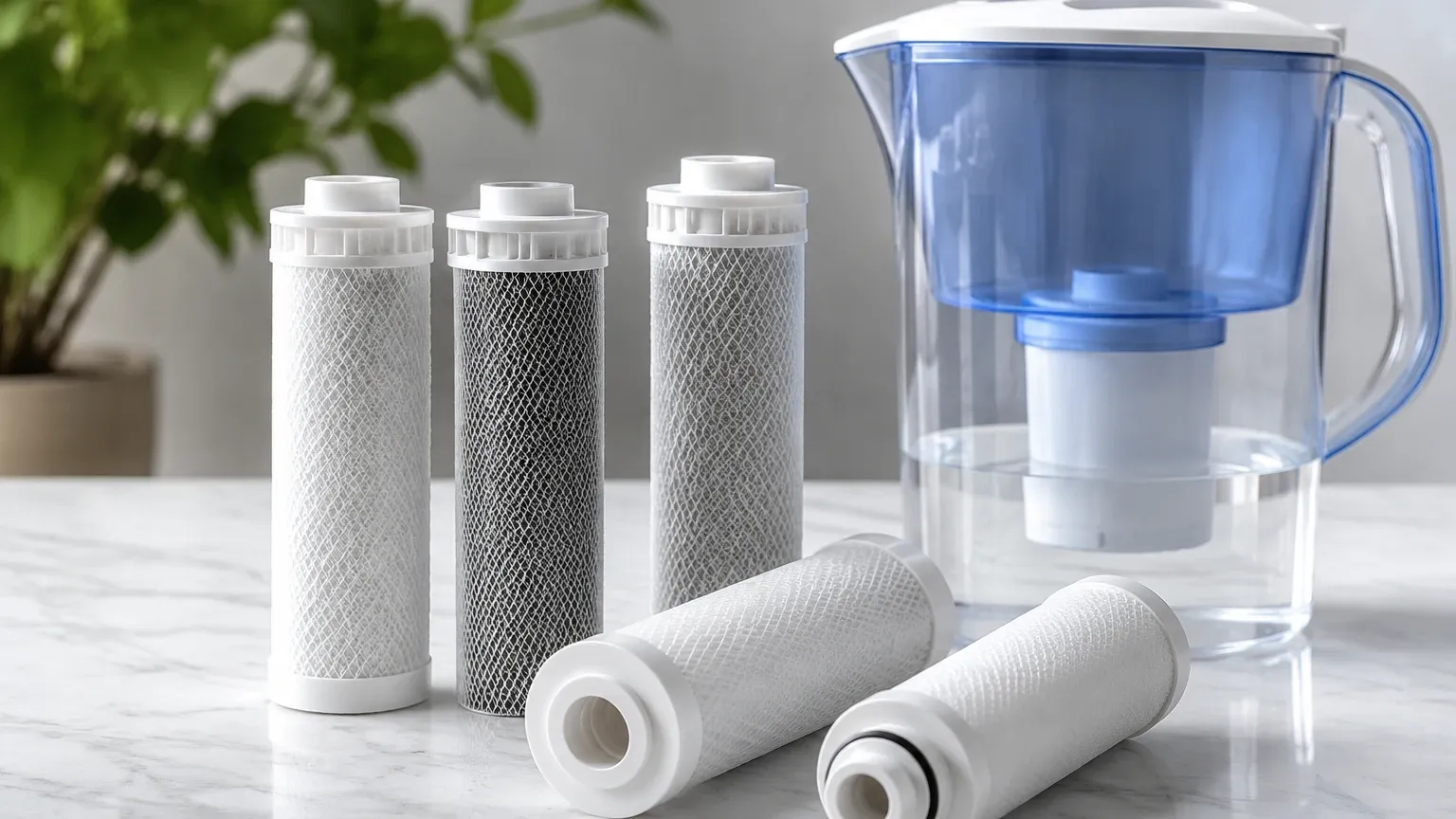
In the realm of fluid purification, the concept of universality is a critical driver for both operational efficiency and supply chain resilience. Universal water jug filter cartridges represent a standardized approach to point-of-use filtration, designed to fit a variety of proprietary and generic housings. For engineers, procurement specialists, and facility managers, understanding the technical specifications, material science, and engineering constraints of these components is essential for ensuring water quality and system longevity.
While often associated with consumer applications, the underlying principles of universal fitment, sealing integrity, and multi-stage filtration media are deeply rooted in industrial filtration engineering. This guide examines the technical architecture of universal filter cartridges, the criteria for evaluating their performance, and the engineering considerations that bridge the gap between standard consumer units and high-performance industrial Filter Cartridges.
The Engineering Logic of Universal Fitment
The term "universal" in filtration refers to a design specification that allows a single cartridge type to interface with multiple brands of filter pitchers or dispensers. This is achieved through precise dimensional engineering and standardized sealing interfaces. From a B2B perspective, the move toward universal standards reduces the risk of vendor lock-in and simplifies inventory management.
Dimensional Standardization
To achieve a universal fit, manufacturers must adhere to the geometric constraints of the most prevalent housing designs. This involves the outer diameter (OD), the height of the cartridge, and, most importantly, the configuration of the intake and outlet ports. In industrial settings, this is analogous to the 10-inch or 20-inch Big Blue standards used in water treatment. For water jug applications, the "universal" design typically mimics the wedge or cylindrical shape required to seat firmly within the reservoir, ensuring that gravity-fed water is forced through the media rather than bypassing it.
Sealing and Bypass Prevention
A filter is only as effective as its seal. Universal water jug filter cartridges utilize various sealing mechanisms, such as silicone gaskets or friction-fit O-rings, to prevent untreated water from leaking into the filtered water carafe. In industrial filtration, bypass is a primary failure mode. Engineers must evaluate the durometer (hardness) of the sealing material to ensure it can maintain integrity over the lifecycle of the cartridge, especially under varying temperature conditions.
Filtration Media and Performance Metrics
The effectiveness of universal water jug filter cartridges is determined by the composition and density of the internal media. Most universal designs utilize a multi-stage approach to address different types of contaminants, ranging from physical particulates to dissolved chemicals.
Activated Carbon and Ion Exchange
The core of most cartridges consists of granulated activated carbon (GAC) or carbon blocks. These materials utilize adsorption to remove chlorine, volatile organic compounds (VOCs), and unpleasant odors. Ion exchange resins are often added to soften the water by removing heavy metals like lead and copper, as well as reducing limescale buildup. For technical applications, the "iodine number" of the carbon—a measure of its porosity—is a key metric for determining adsorption capacity.
Micron Ratings and Particulate Removal
While gravity-fed systems operate at lower pressures than industrial hydraulic or process lines, they still rely on mechanical filtration. The outer shell or internal non-woven layers of the cartridge act as a depth filter. Engineers categorize these by their micron rating. A "nominal" rating indicates the filter can trap a percentage of particles of a certain size, whereas an "absolute" rating (more common in industrial stainless steel Filter Cartridges) guarantees the retention of all particles above a specified threshold. Universal jug filters typically target the 5 to 20-micron range to balance flow rate with filtration efficiency.
Material Compatibility and Regulatory Compliance
In any B2B procurement process involving fluid handling, material compatibility is non-negotiable. The components of a filter cartridge must be chemically inert and safe for contact with potable water.
Food-Grade Polymers and Stainless Steel Components
Most universal cartridges utilize BPA-free polypropylene for their housings. However, in more demanding environments or specialized dispensers, stainless steel mesh components are integrated to provide structural reinforcement and fine particulate control. Stainless steel offers superior durability and resistance to microbial growth compared to many plastics. When sourcing filtration solutions, confirming that the materials meet FDA or equivalent international food-safety standards is a prerequisite.
Certification Standards (NSF/ANSI)
Technical professionals rely on third-party certifications to verify performance claims. The most relevant standards for universal water jug filter cartridges include:
* NSF/ANSI 42: Covers aesthetic effects, such as the reduction of chlorine, taste, and odor.
* NSF/ANSI 53: Addresses health effects, including the reduction of specific contaminants like lead, cysts, and mercury.
* NSF/ANSI 372: Ensures the product is lead-free.
When evaluating universal options, engineers should request the specific test data behind these certifications to ensure the cartridges meet the specific needs of their application.
Operational Considerations: Flow Rate and Lifespan
The performance of a filter cartridge is not static; it degrades as the media becomes saturated or the pores become clogged with particulates. Understanding the relationship between flow rate and filtration life is essential for establishing maintenance schedules.
Flow Rate Dynamics
In gravity-fed universal water jug filter cartridges, the flow rate is dictated by the head pressure of the water in the upper reservoir and the permeability of the filter media. As the filter reaches the end of its life, the flow rate typically decreases—a phenomenon known as "flux decline." In industrial systems, this is monitored via pressure differential (delta P). For jug filters, a significant slowdown in filtration time is the primary indicator that the cartridge requires replacement.
Rated Capacity vs. Actual Performance
Manufacturers provide a rated capacity, often measured in gallons or liters (e.g., 40 gallons or 150 liters). However, this capacity is an estimate based on average water quality. High levels of sediment or heavy mineralization can exhaust the media prematurely. For B2B applications where water quality is critical for equipment protection or ingredient consistency, it is advisable to implement a conservative replacement cycle based on actual usage volume rather than time alone.
Comparing Universal vs. Proprietary Solutions
Deciding between universal water jug filter cartridges and proprietary OEM (Original Equipment Manufacturer) cartridges involves a trade-off between cost, availability, and guaranteed performance.
| Feature | Universal Cartridges | Proprietary OEM Cartridges |
| :— | :— | :— |
| Cost | Typically lower due to competition | Higher due to brand positioning |
| Availability | High; multiple sources available | Limited to specific vendors |
| Compatibility | Broad; fits multiple housings | Guaranteed fit for specific models |
| Performance | Variable; requires data verification | Validated by the equipment manufacturer |
| Innovation | Fast adoption of new media types | Slower, focused on system synergy |
For many organizations, the flexibility of universal cartridges outweighs the perceived benefits of proprietary systems, provided the universal options meet the necessary technical and safety specifications.
Industrial Parallels: From Jugs to Process Filtration
While the scale differs, the engineering challenges addressed in universal water jug filter cartridges are the same as those found in heavy-scale industrial filtration. In chemical processing, pharmaceuticals, and food production, the need for reliable Filter Cartridges is paramount.
Industrial filters often utilize pleated stainless steel wire mesh or sintered metal fibers to achieve high surface area and extreme durability. These components are designed for high-pressure environments and can often be cleaned and reused, unlike the disposable nature of water jug cartridges. However, the move toward standardization in industrial filtration—such as the adoption of standard DOE (Double Open End) or Code 7 (226 O-ring/Fin) connections—mirrors the "universal" trend in the consumer market. Both seek to provide the end-user with more options and lower operational costs.
Technical Checklist for Procurement
Before selecting a supplier for universal water jug filter cartridges, technical teams should confirm the following details:
1. Interface Compatibility: Does the cartridge utilize a standard friction fit, or does it require a specific locking mechanism?
2. Media Specification: What is the ratio of activated carbon to ion exchange resin? What is the specific surface area of the carbon used?
3. Micron Rating: Is the particulate removal rating nominal or absolute, and at what efficiency percentage?
4. Structural Integrity: Is the housing material resistant to cracking under thermal stress (e.g., if used with chilled or slightly warm water)?
5. Certification Transparency: Can the supplier provide the full test reports from NSF or an equivalent body, rather than just a summary statement?
Conclusion
Universal water jug filter cartridges are a testament to the importance of standardization in fluid treatment. By understanding the engineering behind these components—from the dimensional tolerances required for a universal fit to the chemical properties of the filtration media—professionals can make informed decisions that balance cost-effectiveness with high-performance standards. Whether managing a small-scale hydration station or overseeing complex industrial processes, the principles of effective filtration remain constant: prioritize sealing integrity, verify material compatibility, and select the right media for the specific contaminant profile.
