


Universal Water Filter Cartridges B&m
In the realm of water treatment and fluid management, the term "universal" often suggests a level of standardization that simplifies procurement. For many domestic and light commercial users, sourcing universal water filter cartridges b&m or similar retail outlets provides a convenient solution for basic sediment or chlorine reduction. However, from an industrial engineering perspective, the concept of a "universal" filter requires a more nuanced evaluation of material science, mechanical tolerances, and chemical compatibility.
Industrial filtration systems, such as those utilized in chemical processing, pharmaceutical manufacturing, and large-scale food production, demand performance characteristics that far exceed the capabilities of standard consumer-grade components. While retail-level universal cartridges serve a vital role in residential applications, technical professionals must understand the boundary between these general-purpose solutions and precision-engineered Filter Cartridges designed for demanding industrial environments.
Understanding the "Universal" Standard in Filtration
The term "universal" in the context of water filtration typically refers to the physical dimensions of the cartridge rather than its performance across all possible fluids. The most common standard is the 10-inch and 20-inch Slimline or "Big Blue" format. These cartridges generally feature a Double Open End (DOE) configuration, allowing them to fit into a wide variety of filter housings regardless of the brand.
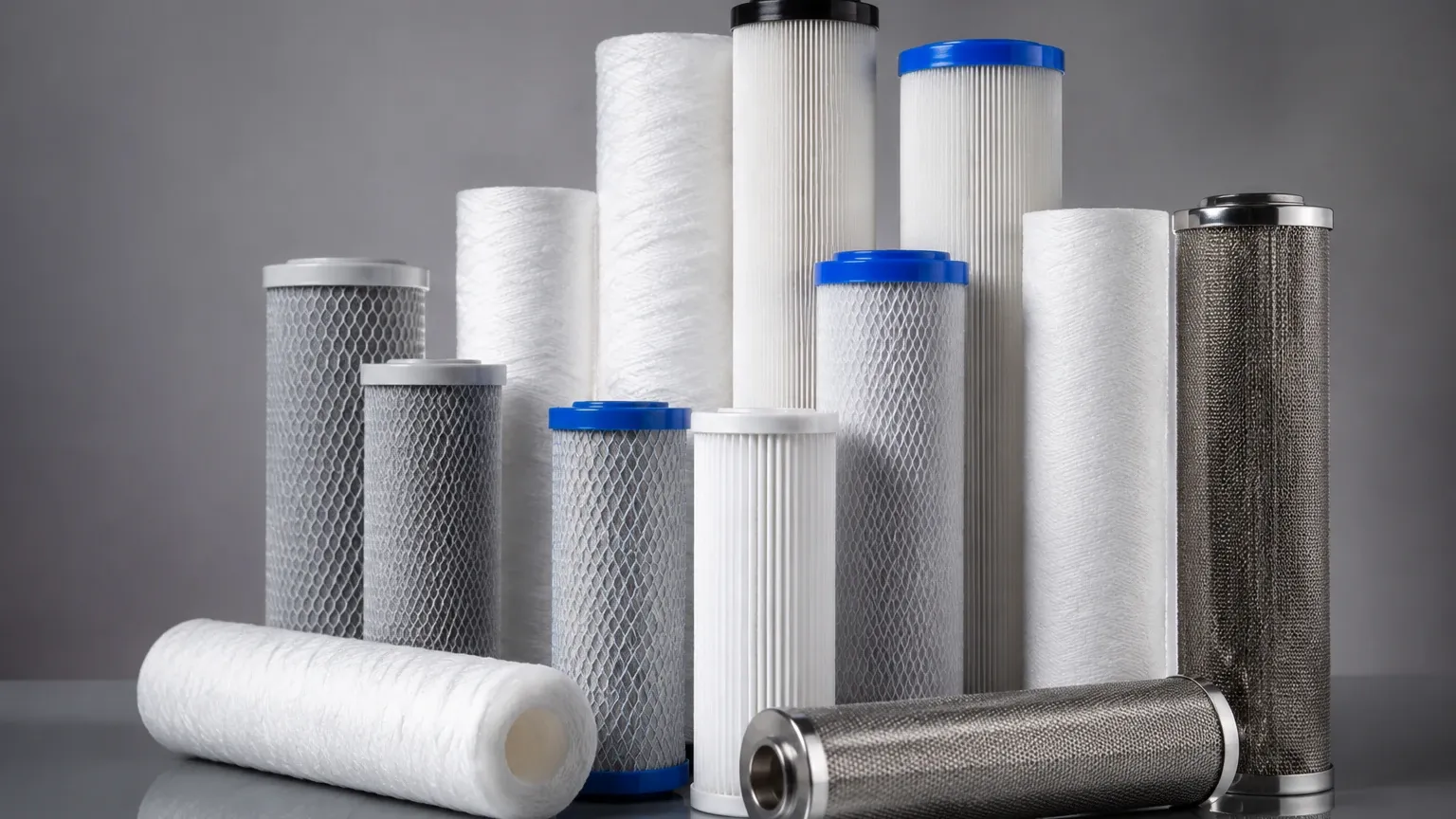
For procurement teams looking at universal water filter cartridges b&m, the primary advantage is availability and low initial cost. These cartridges are usually constructed from melt-blown polypropylene, string-wound fibers, or activated carbon blocks. While effective for basic potable water filtration, they often lack the structural integrity required for high-pressure industrial cycles or the thermal stability needed for steam-sterilized environments.
In industrial settings, "universal" sizing is often maintained to allow for retrofitting, but the internal media is upgraded to stainless steel or specialized polymers. Engineering teams must verify that even if a cartridge fits the housing, the end-cap style (such as Code 7 or 222/226 configurations) and the gasket material (EPDM, Viton, or PTFE) are appropriate for the specific process fluid.
Material Limitations: Retail vs. Industrial Grade
When evaluating universal water filter cartridges b&m, it is essential to recognize the material constraints. Most consumer-grade universal filters are disposable. They are designed for a single use-cycle, after which they are discarded. This creates a recurring operational expense and environmental footprint that many industrial facilities seek to minimize.
Polypropylene and Carbon vs. Stainless Steel
Standard retail cartridges are typically limited to temperatures below 60°C (140°F) and are susceptible to chemical degradation when exposed to solvents, strong acids, or alkalis. In contrast, industrial-grade stainless steel filter cartridges offer several distinct advantages:
1. Thermal Resistance: Stainless steel components can operate at temperatures exceeding 230°C, making them suitable for hot oil filtration and steam applications.
2. Chemical Compatibility: 304 and 316L stainless steel provide excellent resistance to a broad spectrum of industrial chemicals that would dissolve or weaken plastic-based universal filters.
3. Structural Rigidity: Under high differential pressure, plastic cartridges may compress or bypass. Stainless steel mesh and sintered metal structures maintain their pore geometry even under significant mechanical stress.
Engineering Considerations for High-Performance Filtration
For engineers transitioning from basic universal water filter cartridges b&m to professional-grade filtration, several technical parameters must be prioritized. The goal is to move beyond "will it fit?" to "how will it perform over 1,000 hours of operation?"
Micron Rating and Efficiency
Retail filters often provide a "nominal" micron rating, which means they catch a certain percentage of particles at that size. Industrial applications frequently require "absolute" ratings, ensuring that 99.9% of particles above a specific size are captured. When selecting filter cartridges for precision tasks, such as protecting high-pressure pump nozzles or ensuring pharmaceutical purity, the distinction between nominal and absolute filtration is critical.
Flow Rate and Pressure Drop
A common mistake in filter selection is undersizing the cartridge for the required flow rate. This leads to a high initial pressure drop (Delta P), which reduces the effective lifespan of the filter and increases energy consumption for the pumps. Industrial stainless steel cartridges can be engineered with pleated designs to maximize surface area, allowing for higher flow rates within the same "universal" footprint compared to depth-style melt-blown filters.
The Economics of Cleanable vs. Disposable Cartridges
While the upfront cost of universal water filter cartridges b&m is low, the Total Cost of Ownership (TCO) in an industrial context can be surprisingly high. In a facility where filters must be changed weekly, the labor costs, downtime, and disposal fees quickly surpass the initial investment of a permanent filtration solution.
Stainless steel filter cartridges are often designed to be cleanable and reusable. Through ultrasonic cleaning, backwashing, or chemical baths, these cartridges can be restored to near-original performance levels. For a B2B operation, this shift from an Opex-heavy model (buying disposables) to a Capex-focused model (investing in durable hardware) provides better long-term financial predictability and reduces supply chain dependency.
Customization and OEM Solutions
One of the primary limitations of relying on universal water filter cartridges b&m is the lack of customization. Industrial processes are rarely "one size fits all." A chemical plant may require a specific mesh weave to handle viscous fluids, or a food processor may need specialized welding to ensure there are no crevices where bacteria can grow.
Manufacturers like Kaifil specialize in bridging the gap between standard dimensions and custom performance. By utilizing advanced manufacturing techniques such as vacuum sintering and precision pleating, it is possible to create a cartridge that fits a "universal" housing but delivers the specific filtration accuracy and durability required for a specialized production line. OEM services allow businesses to develop proprietary filtration components that are optimized for their specific equipment, ensuring peak efficiency that off-the-shelf retail products cannot match.
Selection Guide: When to Upgrade to Industrial Cartridges
How does a technical professional decide when universal water filter cartridges b&m are insufficient? Consider the following checklist:
* Fluid Complexity: Is the fluid something other than ambient-temperature water? If it contains hydrocarbons, solvents, or high acidity, move to stainless steel.
* Operating Pressure: Will the system experience pressure spikes or high constant differential pressure? Metal-reinforced cartridges are necessary to prevent structural failure.
* Sterilization Needs: Does the filter need to be autoclaved or cleaned with SIP (Sterilization in Place) procedures? Plastic universal filters will not survive these processes.
* Filtration Precision: Is the target particle size below 5 microns with a requirement for absolute retention? High-precision wire mesh or sintered metal is required.
* Regulatory Compliance: Does the application require FDA or 3A sanitary certification? Industrial-grade manufacturers provide the necessary material traceability and certifications that retail products typically lack.
Maintenance and Replacement Cycles
In any industrial system, the maintenance of filter cartridges is the most significant factor in system longevity. Even the highest quality stainless steel filter will fail if the pressure drop is allowed to exceed the manufacturer's recommendations. For systems using universal water filter cartridges b&m in pre-filtration stages, frequent monitoring of pressure gauges is essential, as these filters can blind (clog) rapidly when exposed to unexpected sediment loads.
When using cleanable industrial cartridges, establishing a standardized cleaning protocol is vital. This involves monitoring the "clean pressure drop" after each cleaning cycle. Once the clean pressure drop reaches a certain threshold (usually 15-20% higher than the original new state), it indicates that fine particulates have become permanently embedded in the media, and the cartridge should be replaced.
Conclusion
While universal water filter cartridges b&m offer a convenient and accessible solution for standard water filtration needs, they represent only the entry point into the complex world of fluid separation. For B2B applications where reliability, chemical resistance, and high-precision performance are non-negotiable, the transition to engineered stainless steel Filter Cartridges is a strategic necessity.
By understanding the technical boundaries of "universal" products and prioritizing material integrity and custom engineering, purchasing teams and engineers can optimize their filtration processes, reduce long-term costs, and ensure the protection of critical downstream equipment. Whether you are retrofitting an existing system or designing a new industrial process, selecting the right filtration media is a fundamental step toward operational excellence.
