


Cartridge Filter 4×20
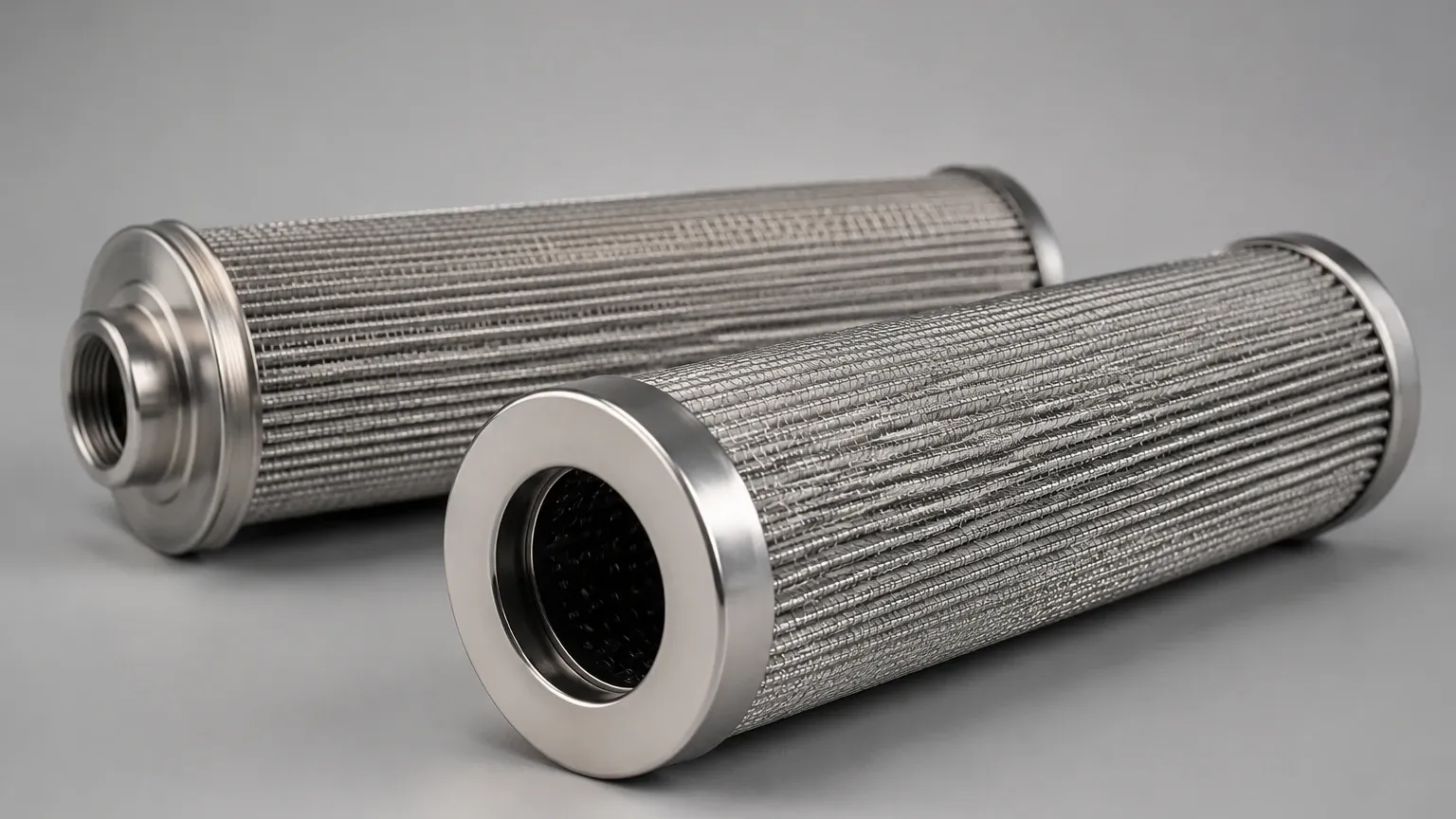
In industrial filtration, the dimensional specification of a filter element is as critical as its micron rating. The cartridge filter 4×20—referring to a nominal 4-inch diameter and 20-inch length—represents a high-capacity format widely utilized in mid-to-high flow rate applications. While many standard commercial filters use polymer-based media for this size, industrial-grade applications often require the durability and chemical resistance of stainless steel. For engineers and procurement teams, understanding the technical nuances of the cartridge filter 4×20 is essential for optimizing system uptime and ensuring process fluid purity.
Industrial filtration systems are frequently subjected to high pressures, extreme temperatures, and corrosive chemicals. In these environments, the choice of Filter Cartridges determines not only the efficiency of the separation process but also the total cost of ownership (TCO) through maintenance cycles and replacement frequency.
Understanding the 4×20 Form Factor in Industrial Filtration
The 4×20 designation typically refers to a large-diameter cartridge, often categorized under "Big Blue" or high-flow standards. In a stainless steel configuration, this size provides a significant increase in surface area compared to standard 2.5-inch diameter cartridges. This increased surface area is vital for reducing the flux—the flow rate per unit area—which in turn lowers the initial differential pressure and extends the time between cleaning or replacement cycles.
From an engineering perspective, the 4-inch diameter allows for more robust internal support structures. When dealing with high-viscosity fluids or high-pressure differentials, the structural integrity of the center core and the outer cage becomes paramount. A stainless steel cartridge filter 4×20 is designed to withstand collapse pressures that would deform or bypass plastic alternatives. This makes them the preferred choice for hydraulic systems, steam filtration, and aggressive chemical processing where failure is not an option.
Material Selection: Stainless Steel vs. Synthetic Media
When selecting a cartridge filter 4×20, the material of construction is the primary determinant of application suitability. While polypropylene or pleated paper may suffice for basic water treatment, industrial sectors such as pharmaceuticals and petrochemicals demand metallic media.
304 and 316L Stainless Steel
Most metal filter cartridges are manufactured from 304 or 316L stainless steel. 316L is generally preferred for its superior corrosion resistance, particularly against chlorides and acidic solutions. The "L" denotes low carbon content, which improves weldability and prevents sensitization during the manufacturing process, ensuring that the filter remains structurally sound at the weld points.
Wire Mesh and Sintered Metal
Within the 4×20 format, the filtration media can vary:
* Woven Wire Mesh: Ideal for surface filtration and easy cleaning. It offers precise pore sizes and is excellent for removing hard, angular particles.
* Sintered Metal Fiber: Provides a high-porosity, deep-filtration effect. It is capable of capturing finer particles within its matrix, offering a higher dirt-holding capacity than simple mesh.
* Sintered Mesh: Multiple layers of wire mesh are bonded through heat and pressure to create a rigid, self-supporting structure that does not require an internal core in some low-pressure applications.
Performance Metrics: Micron Rating and Flow Capacity
Evaluating a cartridge filter 4×20 requires a deep dive into performance metrics beyond simple dimensions. Engineers must distinguish between nominal and absolute micron ratings to ensure the filter meets the required cleanliness levels of the downstream process.
Absolute vs. Nominal Ratings
A nominal rating indicates the filter's ability to retain a majority of particles of a specific size, but it does not guarantee 100% efficiency. In contrast, an absolute rating (often defined by a Beta ratio of 5000 or 99.9% efficiency) ensures that no particles larger than the specified micron size will pass through the media. For critical applications like catalyst recovery or sterile gas filtration, absolute-rated stainless steel cartridges are mandatory.
Flow Rate and Differential Pressure ($ΔP$)
The flow capacity of a cartridge filter 4×20 is influenced by the fluid's viscosity and the media's resistance. A common mistake is sizing the filter based solely on the pump's maximum flow rate without considering the "clean pressure drop." Ideally, a system should be designed so that the initial $ΔP$ does not exceed 2-3 PSI. As the filter accumulates contaminants, the $ΔP$ will rise. In stainless steel systems, the cartridge can often handle a terminal $ΔP$ of 30-50 PSI before cleaning is required, whereas polymer filters might bypass or collapse at much lower thresholds.
Chemical and Thermal Compatibility
One of the most significant advantages of moving to a metal cartridge filter 4×20 is the expanded operating envelope regarding temperature and chemical exposure. Industrial processes often involve fluids that would degrade elastomers or melt plastic housings.
Temperature Resistance
Stainless steel cartridges can operate in environments ranging from cryogenic temperatures to over 500°F (260°C), depending on the seal material used. In high-temperature steam filtration, the 4×20 format provides the necessary volume to handle high velocities without excessive noise or vibration.
Chemical Resistance
In the chemical processing industry, solvents, alcohols, and caustic cleaning agents are common. A cartridge filter 4×20 made of 316L stainless steel is inert to a vast array of these substances. When selecting a filter, it is also important to consider the O-ring or gasket material. Common options include Viton (FKM), EPDM, and PTFE (Teflon). The seal must be as resilient as the metal media to prevent bypass leakage.
Installation, Maintenance, and Replacement Cycles
Proper maintenance of a cartridge filter 4×20 is essential for maximizing its lifespan, especially since stainless steel elements represent a higher initial investment than disposable filters. The primary benefit of metal media is that it is cleanable and reusable.
Cleaning Protocols
Depending on the contaminant, several cleaning methods can be employed:
* Backwashing: Reversing the flow of clean fluid through the filter to dislodge surface-level particles.
* Ultrasonic Cleaning: Using high-frequency sound waves in a detergent bath to remove fine particles embedded deep within the sintered media.
* Chemical Cleaning: Soaking the cartridge in specialized solvents or acids to dissolve organic or mineral scaling.
Monitoring the Lifecycle
Operators should monitor the differential pressure across the filter housing. A sudden drop in $ΔP$ may indicate a ruptured media or a failed seal, while a rapid increase suggests a change in the process fluid's particulate load. Establishing a baseline for cleaning cycles helps in scheduling preventative maintenance, reducing the risk of unplanned downtime.
Customization and OEM Solutions
While the 4×20 size is a standard, many industrial systems require specific modifications to fit unique housing designs or to meet specialized performance criteria. Customization options for a cartridge filter 4×20 include:
* End-Cap Configurations: Options such as Double Open End (DOE), Single Open End (SOE) with 222 or 226 O-ring seals, or threaded NPT/BSP connections.
* Reinforced Cores: For high-pressure hydraulic applications where the filter must withstand extreme surges.
* Pleated vs. Cylindrical: Pleating the media significantly increases the surface area for a 4×20 footprint, which is ideal for low-viscosity fluids with high dirt loads. Cylindrical designs are easier to clean and are often used for coarser filtration.
By working with a specialized manufacturer like Kaifil, engineers can specify exact tolerances and material grades that off-the-shelf products cannot match. This ensures that the filtration component is perfectly aligned with the mechanical and chemical demands of the specific industrial application.
Total Cost of Ownership Considerations
When evaluating the purchase of a cartridge filter 4×20, the initial price tag is only one part of the equation. Disposable filters may seem cost-effective initially, but the recurring costs of replacement, disposal of contaminated media, and the labor associated with frequent change-outs quickly add up.
A stainless steel cartridge filter 4×20 provides a sustainable alternative. Its ability to be cleaned hundreds of times, combined with its resistance to physical damage, often results in a lower TCO over a 2-to-5-year period. Furthermore, the environmental impact of reducing waste by using cleanable elements is increasingly becoming a corporate priority for many industrial firms.
In conclusion, the cartridge filter 4×20 is a versatile and robust solution for industrial filtration needs. By focusing on material integrity, precise micron ratings, and proper maintenance, technical teams can ensure their filtration systems provide consistent, high-quality output while minimizing operational risks.
