


Woven Wire Mesh South Africa: A Technical Guide to Industrial Filtration Selection
In the demanding landscape of industrial processing, the selection of filtration media is a critical factor in determining operational efficiency, product purity, and equipment longevity. For engineers and procurement specialists sourcing Woven Wire Mesh, understanding the technical nuances of material science and weave geometry is essential. This is particularly true for sectors operating within the South African market, where industries ranging from deep-level mining and mineral processing to high-end food production and chemical manufacturing require robust, high-performance filtration solutions.
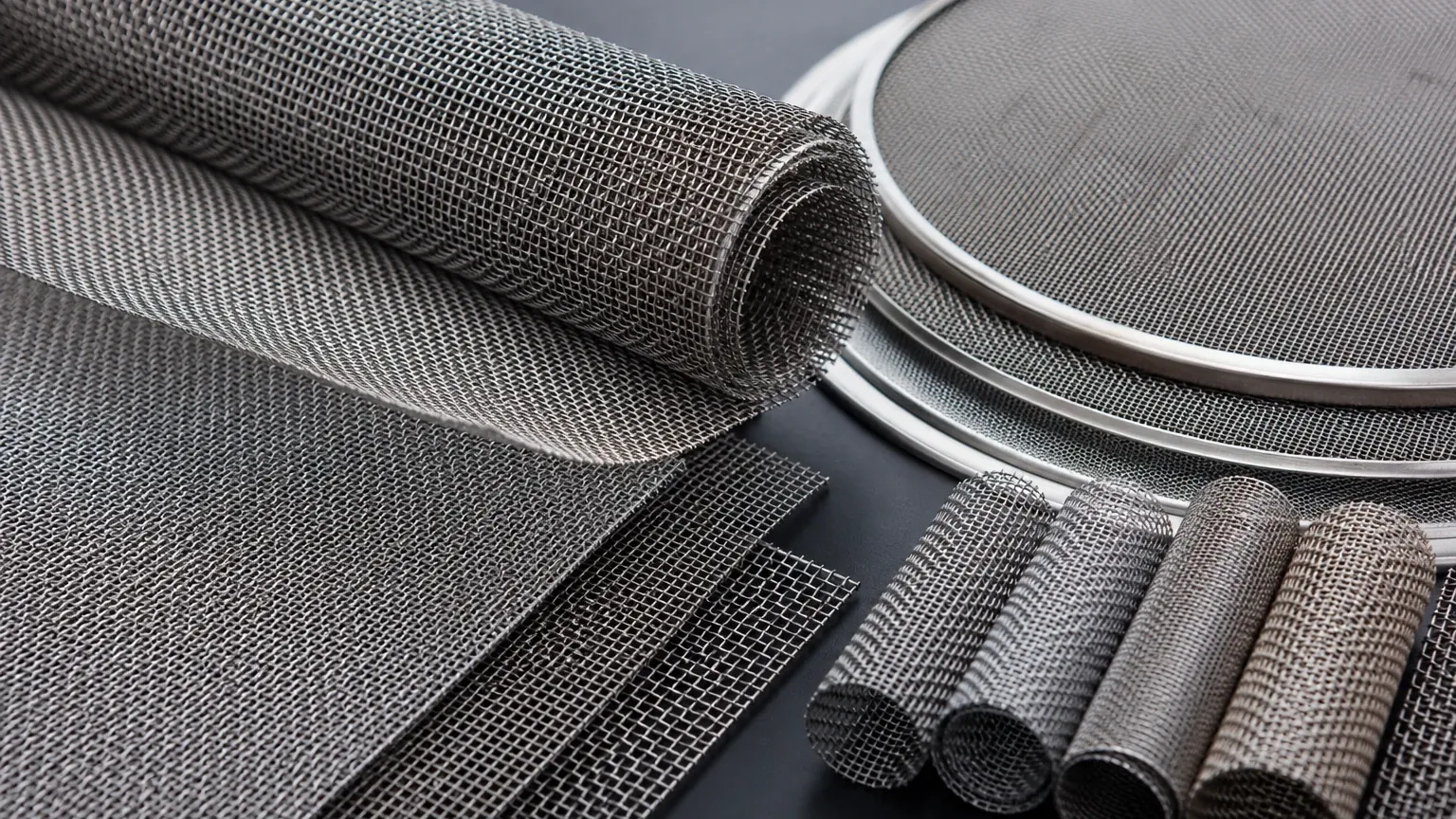
Industrial filtration is not a one-size-fits-all discipline. The performance of a filter depends heavily on the precision of the mesh used. As a specialized manufacturer, Kaifil provides engineered solutions that address the specific challenges of various environments. This guide explores the technical specifications, application-specific considerations, and sourcing strategies for Plain, twill and dutch woven wire mesh in SS304/316L — rolls, cut mesh and framed panels. Send mesh count or micron target for a technical quote. to ensure optimal performance in industrial applications.
Understanding the Role of Woven Wire Mesh in Industrial Filtration
Woven wire mesh is a versatile material produced by weaving metallic wires on industrial looms. Unlike perforated metals or expanded mesh, woven mesh offers a unique combination of high open-area percentages and precise aperture control. This makes it the preferred choice for applications requiring fine filtration, sieving, or straining.
The primary function of the mesh is to act as a barrier, allowing the passage of fluids (liquids or gases) while retaining solid particles. In the context of woven wire mesh south africa, the material must often withstand harsh conditions, including abrasive slurries in mining operations or corrosive environments in coastal chemical plants. The integrity of the weave determines the filtration rating, which is typically measured in microns or mesh count.
Technical Specifications: Material Grades and Weave Patterns
Selecting the right mesh begins with an evaluation of the material grade and the weave pattern. These two factors dictate the mechanical strength, chemical resistance, and filtration accuracy of the component.
Material Selection: SS304 vs. SS316L
Stainless steel is the industry standard due to its durability and resistance to oxidation.
* Grade 304: The most common stainless steel used in filtration. It offers excellent corrosion resistance in most atmospheric conditions and is widely used in food processing and general industrial applications.
* Grade 316L: Containing molybdenum, 316L provides superior resistance to chlorides and pitting. This is the preferred material for marine environments, pharmaceutical production, and chemical processing where aggressive solvents or acids are present. The "L" denotes low carbon, which improves weldability and prevents sensitization during the manufacturing of filter cartridges.
Weave Patterns and Their Impact
The geometry of the weave determines the flow characteristics and particle retention capabilities.
1. Plain Weave: The most straightforward pattern where each warp wire crosses over and under each shute wire. It provides high open area and is ideal for general sieving and low-pressure filtration.
2. Twill Weave: Each shute wire passes over and under two warp wires. This allows for the use of heavier wires for a given mesh count, resulting in greater strength and the ability to produce finer meshes that would be impossible in a plain weave.
3. Dutch Weave (Plain and Twill): These weaves use different diameters for warp and shute wires. The result is a dense, strong mesh with small, curved openings. Dutch weaves are essential for high-pressure applications and fine filtration (down to 5-10 microns) where mechanical stability is paramount.
Industrial Applications for Woven Wire Mesh in South Africa
South Africa’s industrial base is diverse, and the requirements for woven wire mesh south africa reflect this variety. Engineering teams must match the mesh characteristics to the specific demands of their sector.
Mining and Mineral Processing
The South African mining sector requires filtration media that can handle abrasive materials and high flow rates. Woven wire mesh is used in vibrating screens, dewatering processes, and the filtration of process water. In these applications, the mechanical strength of the mesh is critical to resist the impact of heavy ores and prevent premature failure due to wear.
Food and Beverage Industry
Hygiene and precision are the priorities here. Woven wire mesh is used in juice filtration, dairy processing, and grain sieving. The mesh must be easy to clean (CIP – Clean-In-Place compatible) and manufactured from food-grade stainless steel to prevent contamination. Precision in the aperture size ensures that the final product meets strict quality standards.
Chemical and Petrochemical Processing
In the chemical sector, filters are often exposed to high temperatures and corrosive substances. Stainless steel wire mesh provides the necessary thermal stability and chemical inertness. It is used in catalyst recovery, polymer filtration, and gas-liquid separation. For these applications, Dutch weaves are often employed to manage the high pressure-drop requirements while maintaining fine filtration accuracy.
Engineering Considerations for High-Performance Filtration
When specifying Woven Wire Mesh, engineers must look beyond simple dimensions. Several technical factors influence the total performance of the filtration system.
Pressure Drop and Flow Rate
The open area of the mesh directly impacts the pressure drop across the filter. A higher open area allows for higher flow rates but may compromise the mechanical strength of the mesh. Engineers must calculate the required flow velocity and ensure the mesh can handle the differential pressure without deforming.
Filtration Accuracy: Nominal vs. Absolute
* Nominal Rating: Refers to the ability of the mesh to retain a certain percentage of particles of a specific size.
* Absolute Rating: Refers to the diameter of the largest hard spherical particle that will pass through the mesh under specified test conditions. For critical pharmaceutical or hydraulic applications, an absolute rating is often required to ensure system safety.
Mechanical Integrity and Support
In many industrial housings, the woven wire mesh is not used in isolation. It may be pleated to increase surface area or supported by a perforated metal core or a coarser backing mesh. This prevents the fine mesh from collapsing under high pressure and extends the service life of the filter element.
Customization and OEM Capabilities for Specialized Requirements
Standard off-the-shelf mesh rolls often fail to meet the specific needs of complex industrial machinery. This is where OEM (Original Equipment Manufacturer) capabilities become vital. Customization allows for the optimization of every variable, from wire diameter to the specific dimensions of the finished component.
Kaifil specializes in providing customized filtration solutions, including:
* Custom Cut-to-Size Pieces: Precision laser or mechanical cutting to fit specific filter housings.
* Framed Panels: Adding stainless steel or polymer frames to mesh panels for easier installation and improved structural rigidity.
* Multi-Layer Sintered Mesh: For extreme environments, multiple layers of woven wire mesh can be sintered together to create a monolithic structure that combines fine filtration with exceptional mechanical strength.
* Cylindrical and Conical Filters: Formed and welded components designed for direct integration into hydraulic or processing lines.
For procurement teams in South Africa, working with a manufacturer that understands these technical requirements ensures that the imported components will integrate seamlessly with local equipment and meet international quality standards.
Evaluating Total Cost of Ownership and Maintenance Cycles
While the initial purchase price of woven wire mesh south africa is an important factor, the Total Cost of Ownership (TCO) is a more accurate metric for B2B decision-making. TCO includes the purchase price, installation costs, cleaning frequency, and the cost of downtime during replacement.
Cleaning and Reusability
One of the primary advantages of stainless steel woven wire mesh over disposable media (like paper or felt) is its cleanability. Depending on the contaminant, mesh can be cleaned using ultrasonic baths, backwashing, or chemical solvents. This reusability significantly reduces the long-term operational costs and environmental impact.
Replacement Cycles
The lifespan of a wire mesh filter depends on the abrasiveness of the media and the frequency of cleaning cycles. Monitoring the pressure differential across the filter is the most effective way to determine when cleaning or replacement is necessary. A sudden drop in pressure may indicate a breach in the mesh (media migration), while a persistent high pressure after cleaning suggests that the mesh is permanently blinded and requires replacement.
Conclusion
Selecting the right Woven Wire Mesh for South African industrial applications requires a deep understanding of material properties, weave structures, and the specific demands of the operating environment. Whether it is for the rugged conditions of a mine in the North West province or a sterile pharmaceutical facility in Gauteng, the technical precision of the mesh is the foundation of effective filtration.
By focusing on engineering-grade specifications—such as SS316L material integrity, Dutch weave performance, and absolute filtration ratings—purchasing teams can ensure they receive components that offer both high performance and a low total cost of ownership. Kaifil remains committed to supporting these industries with high-quality, customized stainless steel filtration solutions designed to meet the most rigorous industrial standards.
