


Re Boiler
In the landscape of industrial thermal engineering and chemical processing, the re boiler stands as a critical component, primarily serving as the heat exchanger that provides the necessary energy to the bottom of a distillation column. By generating the vapor required to drive the separation process, the re boiler ensures that volatile components are stripped from the liquid phase and moved upward through the column. However, the efficiency of this thermal exchange is heavily dependent on the purity of the process fluid and the integrity of the heat transfer surfaces. For engineers and facility managers, understanding the operational nuances of re boiler systems—and the filtration solutions required to protect them—is essential for maintaining plant uptime and optimizing energy consumption.
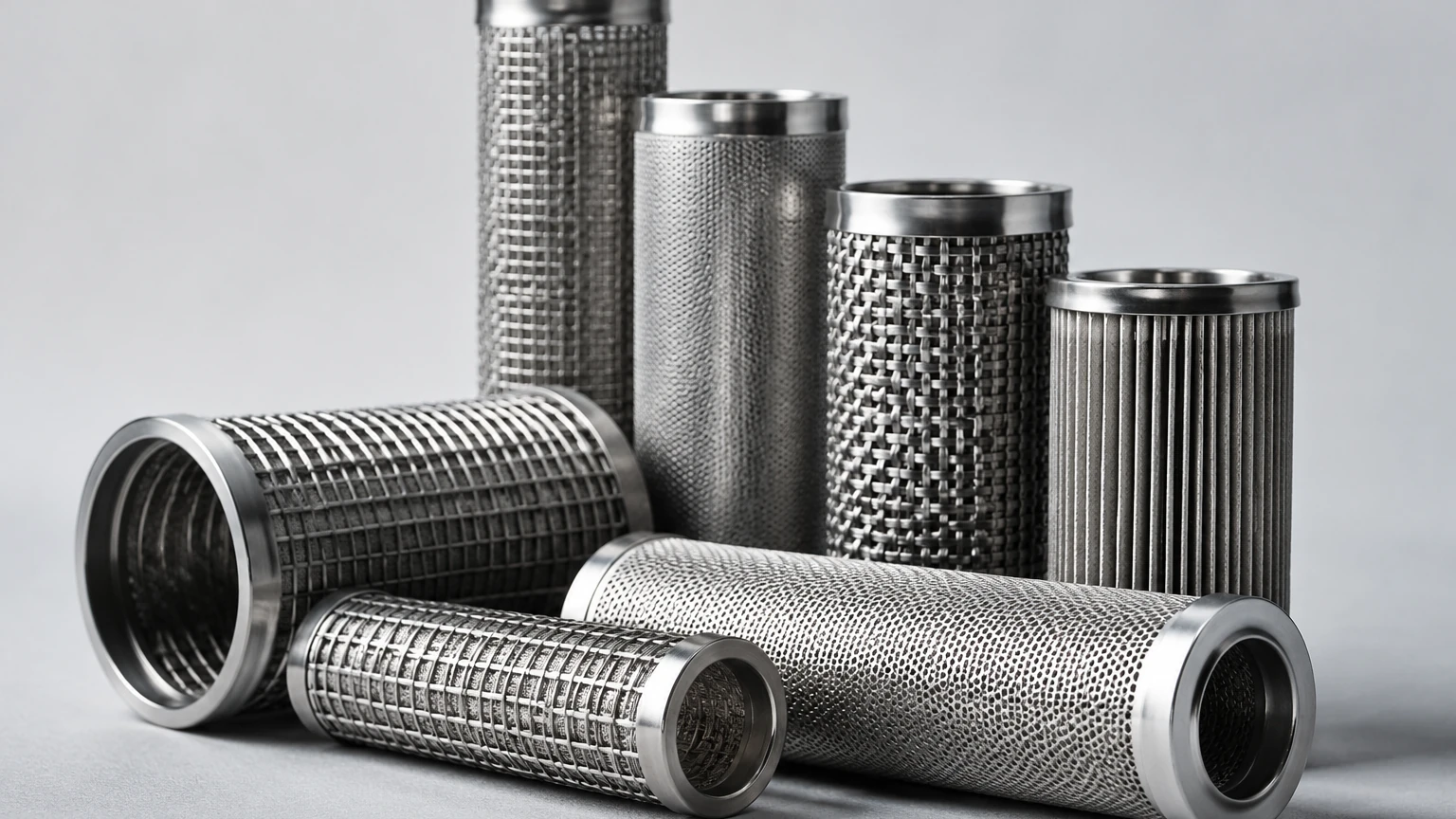
At Kaifil, we specialize in the engineering and manufacture of stainless steel filtration solutions designed to withstand the rigorous environments typically associated with re boiler operations. From high-temperature tolerances to chemical compatibility, our filtration components are engineered to prevent the fouling and degradation that frequently plague these systems. For a comprehensive overview of our capabilities and product range, technical professionals are encouraged to visit our Main Page.
The Fundamental Role of a Re Boiler in Distillation Systems
A re boiler is essentially a heat exchanger designed to boil the bottom liquid from a distillation tower. This boiling process generates a vapor stream that is returned to the column to provide the heat necessary for the separation of chemical mixtures. The heat source is typically steam, though hot oil or other process fluids may be used depending on the specific temperature requirements of the application.
From an engineering perspective, the re boiler is the "engine" of the distillation process. Without a consistent and controllable heat input, the column cannot maintain the vapor-liquid equilibrium required for precise fractionation. The performance of the re boiler directly impacts the purity of the final product and the overall throughput of the facility. Because these units operate at elevated temperatures and often handle concentrated bottoms products, they are susceptible to various forms of mechanical and chemical stress. Ensuring that the fluid entering the re boiler is free from particulate matter is a primary consideration in preventing premature failure and maintaining thermal efficiency.
Common Types of Reboilers and Their Specific Challenges
Industrial applications utilize several different re boiler configurations, each with its own set of advantages and operational requirements. Selecting the right filtration strategy requires an understanding of how these units circulate and heat the process fluid.
Kettle Reboilers
Kettle reboilers are characterized by a large shell containing a bundle of tubes. The process liquid covers the tubes, and vapor is generated in the space above the liquid level. These units are valued for their reliability and ability to handle high vapor fractions. However, because the liquid resides in a large pool, kettle reboilers are prone to the accumulation of heavy solids and sludge. Without effective upstream filtration, these contaminants can settle on the tube surfaces, creating an insulating layer that reduces heat transfer.
Thermosyphon Reboilers
Thermosyphon reboilers rely on natural circulation driven by the density difference between the liquid in the column and the vapor-liquid mixture in the re boiler. These systems are highly efficient but sensitive to pressure drops. If a filtration system is integrated into a thermosyphon loop, it must be carefully engineered to ensure that the differential pressure (ΔP) does not stall the natural circulation. Kaifil’s high-permeability wire mesh filters are often preferred in these scenarios to provide effective particle capture with minimal flow resistance.
Forced Circulation Reboilers
In applications involving highly viscous fluids or those prone to severe fouling, a pump is used to force the liquid through the re boiler. While the higher velocities help to reduce the rate of deposition on the tube walls, the pump itself and the heat exchanger internals are still vulnerable to abrasive particles. In these systems, robust stainless steel filter cartridges are necessary to protect the pump seals and the exchanger’s heat transfer efficiency.
Addressing Fouling and Scale through Precision Filtration
Fouling is the single greatest challenge in re boiler operation. It refers to the accumulation of unwanted material on the heat transfer surfaces, which increases thermal resistance and forces the system to consume more energy to achieve the same boiling rate. In severe cases, fouling can lead to complete blockage of the tubes, requiring an unscheduled shutdown for mechanical or chemical cleaning.
There are several types of fouling relevant to re boiler systems:
1. Sedimentation Fouling: The settling of suspended solids, such as rust, sand, or catalyst fines, onto the heat transfer surfaces.
2. Chemical Reaction Fouling: The formation of polymers or coke deposits when process fluids are exposed to high temperatures at the tube wall.
3. Corrosion Fouling: The accumulation of corrosion products resulting from the interaction between the process fluid and the materials of construction.
By implementing high-performance stainless steel filtration, operators can significantly mitigate sedimentation fouling. Precision wire mesh and sintered metal filters capture the particulate precursors to fouling before they enter the re boiler. This proactive approach extends the interval between cleaning cycles and preserves the design heat transfer coefficient (U-value) of the equipment.
Engineering Criteria for Selecting Stainless Steel Filters in Reboiler Loops
When specifying filtration components for a re boiler application, engineers must look beyond simple micron ratings. The demanding conditions of distillation require a deep dive into the mechanical and thermal properties of the filter media.
Filtration Accuracy and Micron Rating
The required filtration accuracy is determined by the clearance of the heat exchanger tubes and the nature of the contaminants. For most industrial reboilers, a filtration range of 25 to 100 microns is sufficient to prevent the majority of sedimentation fouling. However, for high-precision applications or those involving sensitive catalysts, finer filtration may be required. Kaifil provides customized stainless steel mesh that can be tailored to these specific micron requirements while maintaining structural integrity.
Structural Integrity and Pressure Differential
Filters in re boiler loops must be able to withstand significant pressure differentials, especially during start-up or when the filter begins to load with contaminants. Stainless steel 304 and 316L are the industry standards due to their high tensile strength and resistance to mechanical deformation. For high-pressure applications, pleated filter cartridges or reinforced wire mesh designs are used to increase the effective surface area and extend the service life between cleanings.
Flow Rate and Velocity
The filter must be sized to handle the maximum flow rate of the re boiler loop without inducing excessive turbulence or pressure drop. In forced circulation systems, the velocity of the fluid can be quite high, requiring a filter element that is securely housed and resistant to flow-induced vibration.
Material Compatibility and Thermal Stability in High-Temperature Applications
Unlike standard water treatment filters, re boiler filtration systems often operate at temperatures exceeding 200°C (392°F). At these temperatures, polymer-based filter media (such as polypropylene or polyester) will soften, degrade, or fail entirely. Stainless steel is the material of choice for these environments due to its exceptional thermal stability.
304 vs. 316L Stainless Steel
For most general industrial applications, Grade 304 stainless steel provides adequate corrosion resistance and thermal performance. However, in chemical processing environments where the fluid may contain chlorides or organic acids, Grade 316L is preferred. The addition of molybdenum in 316L significantly improves resistance to pitting and crevice corrosion, which is vital for the long-term durability of the filter element in a re boiler loop.
Thermal Expansion Considerations
In high-temperature systems, the difference in the coefficient of thermal expansion between the filter element and the filter housing must be accounted for. Precision manufacturing ensures that the seals and support structures of the filter remain tight and functional throughout the thermal cycling of the distillation process. Kaifil’s engineering team works closely with clients to ensure that all filtration components are designed with these thermal dynamics in mind.
Total Cost of Ownership and Maintenance Optimization
While the initial cost of a stainless steel filter is higher than that of a disposable polymer cartridge, the total cost of ownership (TCO) is significantly lower in re boiler applications. Stainless steel filters are cleanable and reusable, eliminating the ongoing expense of replacement filters and the environmental burden of waste disposal.
Cleaning and Regeneration
Depending on the nature of the contaminants, stainless steel filter elements can be cleaned using ultrasonic baths, backwashing, or chemical solvents. This ability to regenerate the filter media ensures that the system can be returned to its original pressure drop specifications repeatedly. For facilities operating 24/7, this reliability is a key factor in maintaining continuous production.
Monitoring Performance
To optimize maintenance, re boiler filtration systems should be equipped with differential pressure transmitters. By monitoring the ΔP across the filter, operators can identify the exact moment when cleaning is required, preventing both premature maintenance and the risk of filter bypass or failure due to over-pressurization.
Conclusion: Ensuring Long-Term Reboiler Reliability
The re boiler is a cornerstone of industrial separation processes, and its reliability is paramount to the success of the entire facility. By addressing the root causes of fouling and particulate contamination through advanced stainless steel filtration, engineers can protect these expensive assets and ensure consistent thermal performance.
Kaifil’s commitment to quality and precision manufacturing makes us a trusted partner for industries requiring high-performance filtration solutions. Whether you are dealing with a kettle re boiler in a refinery or a forced circulation unit in a chemical plant, our team provides the technical expertise and customized components needed to optimize your system. For more information on our full range of industrial filtration components, visit our Main Page to review product options and application support.
