


Stainless Steel Dust Collector
In industrial environments where air quality, material recovery, and equipment protection are paramount, the stainless steel dust collector serves as a critical piece of infrastructure. Unlike standard carbon steel or plastic units, a stainless steel dust collector is engineered to withstand corrosive atmospheres, high-temperature gas streams, and stringent hygiene requirements. For engineers and procurement teams, selecting the right filtration components for these systems involves a deep understanding of material science, fluid dynamics, and the specific particulate characteristics of the application.
As a specialized manufacturer of precision metal filtration solutions, Kaifil provides the core components that enable these systems to operate at peak efficiency. This guide explores the technical nuances of stainless steel dust collection, focusing on the engineering considerations that drive performance and long-term reliability.
The Role of Stainless Steel in Industrial Dust Collection
Dust collection is more than just air filtration; it is a process of separating solid particulates from a gas stream to ensure regulatory compliance, recover valuable product, or protect downstream machinery. The choice of stainless steel as the primary construction material for the collector housing and, more importantly, the internal filter elements, is driven by the environmental conditions of the process.
In industries such as chemical processing or metal smelting, the air stream may contain acidic vapors or moisture that would rapidly degrade mild steel. A stainless steel dust collector utilizes the chromium-rich oxide layer inherent in the alloy to prevent oxidation and pitting. Furthermore, in the food and pharmaceutical sectors, the non-porous surface of stainless steel prevents bacterial growth and allows for aggressive Clean-in-Place (CIP) protocols. By visiting the Main Page of a dedicated manufacturer, engineers can better understand how customized metal components integrate into these robust systems.
Material Engineering: Selecting the Right Grade for Filtration
Not all stainless steel is created equal. The performance of a stainless steel dust collector is heavily dependent on the specific alloy used for its filtration media and structural supports. The two most common grades utilized in industrial filtration are AISI 304 and AISI 316L.
AISI 304 Stainless Steel
Grade 304 is the standard "18/8" stainless steel. It offers excellent corrosion resistance for general industrial applications, including woodworking, grain handling, and dry chemical processing. It is cost-effective and provides the structural integrity needed for high-pressure pulse-jet cleaning cycles.
AISI 316L Stainless Steel
For more demanding environments, 316L is the preferred choice. The addition of molybdenum enhances resistance to chlorides and sulfuric acids. The "L" denotes low carbon content, which is crucial for components that require welding, as it prevents carbide precipitation and ensures the filter maintains its corrosion resistance at the weld joints. This grade is essential for marine environments, pharmaceutical manufacturing, and applications involving high-temperature combustion gases.
Critical Design Parameters for High-Efficiency Filtration
When designing or specifying a stainless steel dust collector, several engineering metrics must be evaluated to ensure the system meets its intended micron rating without causing excessive energy consumption.
1. Air-to-Cloth Ratio (Face Velocity)
The air-to-cloth ratio represents the volume of air passing through a square foot of filter media per minute. For stainless steel wire mesh or sintered metal filters, this ratio must be carefully balanced. A ratio that is too high increases the velocity of the particles, causing them to embed deeply into the media (blinding) or even abrade the metal wires. Conversely, a lower ratio requires a larger filtration surface area but results in a lower pressure drop and longer service life.
2. Pressure Drop (ΔP)
The differential pressure across the filter media is a direct indicator of the collector's efficiency and the state of the filter load. Stainless steel elements are designed to operate within a specific ΔP range. High-quality precision mesh ensures a uniform pore distribution, which maintains a predictable and manageable pressure drop even as a dust cake forms on the surface.
3. Micron Rating and Filtration Efficiency
Stainless steel filters can be manufactured to achieve precise filtration levels, from coarse 100-micron pre-filtration to fine sub-micron separation. Unlike fabric bags, which rely on the accumulation of a dust cake to achieve their rated efficiency, metal mesh filters provide consistent mechanical separation based on the aperture size of the weave.
Comparing Stainless Steel Media to Traditional Fabric Filters
While fabric baghouses are common in many industries, the transition to a stainless steel dust collector with metal filter elements offers several technical advantages in specialized applications.
* Temperature Resistance: Most synthetic fabrics (like polyester or aramid) have a maximum operating temperature between 150°C and 250°C. Stainless steel elements can operate effectively at temperatures exceeding 500°C, making them indispensable for kiln exhaust, catalyst recovery, and steam filtration.
* Mechanical Strength: Stainless steel wire mesh filters are rigid and self-supporting. They do not require the internal cages that fabric bags need to prevent collapse. This rigidity also allows for more aggressive pulse-jet cleaning, where high-pressure air is used to dislodge the dust cake.
* Chemical Compatibility: Fabric filters can be susceptible to hydrolysis or chemical degradation. Stainless steel is inert to a vast majority of industrial solvents and chemicals, ensuring that the filter media does not break down and contaminate the process stream.
Application-Specific Requirements: Food, Pharma, and Chemical
The configuration of a stainless steel dust collector must be tailored to the industry it serves. Each sector has unique regulatory and operational hurdles.
Food and Beverage
In food processing, dust collectors handle ingredients like sugar, flour, and spices. These materials are often combustible and prone to microbial growth. A stainless steel system ensures that the interior surfaces are smooth (often polished to a specific Ra value) to prevent material hang-up. The filters must be FDA-compliant and capable of withstanding steam sterilization or hot water washes.
Pharmaceutical Manufacturing
Precision is the priority in pharmaceutical applications. The dust collector must capture potent active pharmaceutical ingredients (APIs) with near-total efficiency. Stainless steel 316L is the industry standard here to ensure zero leaching of metallic ions into the product. The filter elements are often sintered metal fiber or multi-layer mesh to provide the highest possible surface area in a compact footprint.
Chemical Processing
Chemical plants often deal with aggressive particulates and corrosive off-gases. The durability of a stainless steel dust collector reduces the frequency of maintenance shutdowns. In these settings, the ability to recover expensive catalysts from the gas stream using high-precision metal filters provides a direct return on investment through material reclamation.
Maintenance and Operational Longevity of Metal Filter Elements
One of the most significant advantages of using stainless steel components in a dust collection system is the ability to clean and reuse the filter elements. While fabric bags are typically treated as consumables and discarded once blinded, stainless steel filters can be restored to near-original performance levels.
Cleaning Methods
* Back-Pulsing: In-situ cleaning using compressed air to knock off the dust cake.
* Ultrasonic Cleaning: Removing the elements and placing them in an ultrasonic bath to dislodge fine particulates trapped within the mesh layers.
* Chemical Cleaning: Using compatible solvents or acids to dissolve stubborn contaminants without damaging the stainless steel substrate.
Replacement Cycles
Because of their robust construction, stainless steel filter cartridges can last for years, whereas fabric bags might need replacement every few months. This longevity significantly reduces the Total Cost of Ownership (TCO) by minimizing labor costs, disposal fees, and production downtime.
Customization and OEM Integration for Dust Collection Systems
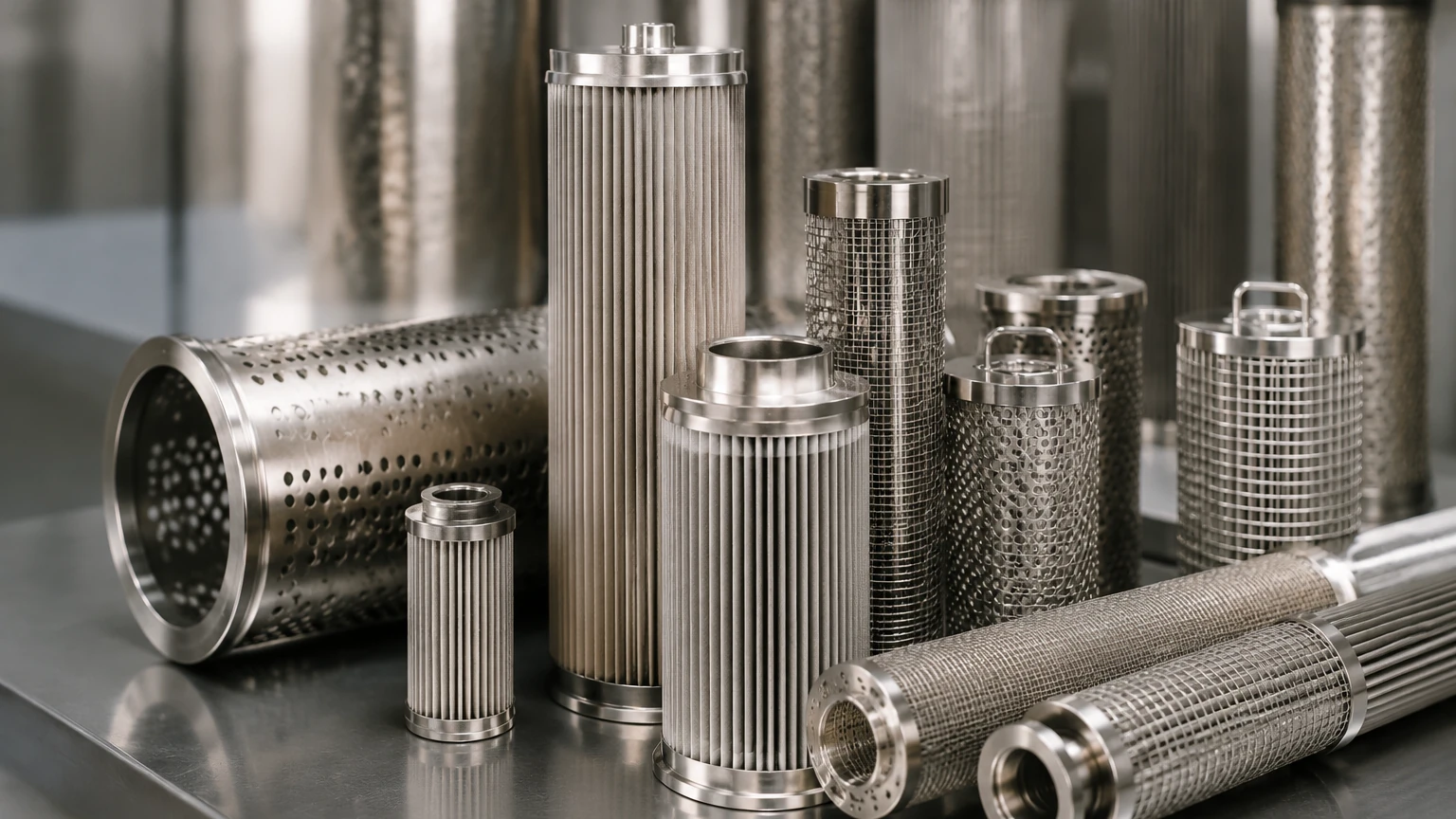
Every industrial process has unique spatial and performance constraints. A standard off-the-shelf solution rarely provides the optimal balance of efficiency and footprint. This is where custom manufacturing becomes essential. Engineers should look for partners who can provide customized wire mesh configurations, specialized end-cap designs, and varied pleat densities to maximize the filtration area within the existing collector housing.
For those looking to integrate high-performance metal filtration into their systems, reviewing the technical capabilities on the Main Page of a manufacturer like Kaifil is a necessary step. From material selection and pore size optimization to the final fabrication of the filter cartridges, every detail contributes to the overall effectiveness of the stainless steel dust collector.
Conclusion: Making an Informed Procurement Decision
Investing in a stainless steel dust collector or upgrading existing systems with stainless steel filter elements is a strategic decision that impacts operational safety, environmental compliance, and process efficiency. By focusing on high-grade materials like 304 and 316L, understanding the implications of air-to-cloth ratios, and prioritizing cleanable, durable media, industrial facilities can achieve superior filtration performance.
When evaluating suppliers, engineers should confirm the manufacturer's ability to provide material certifications, pressure testing data, and customization options. A well-engineered stainless steel filtration solution does not just collect dust; it protects the integrity of the entire production line.
