


Chemical Synthesis Reactor
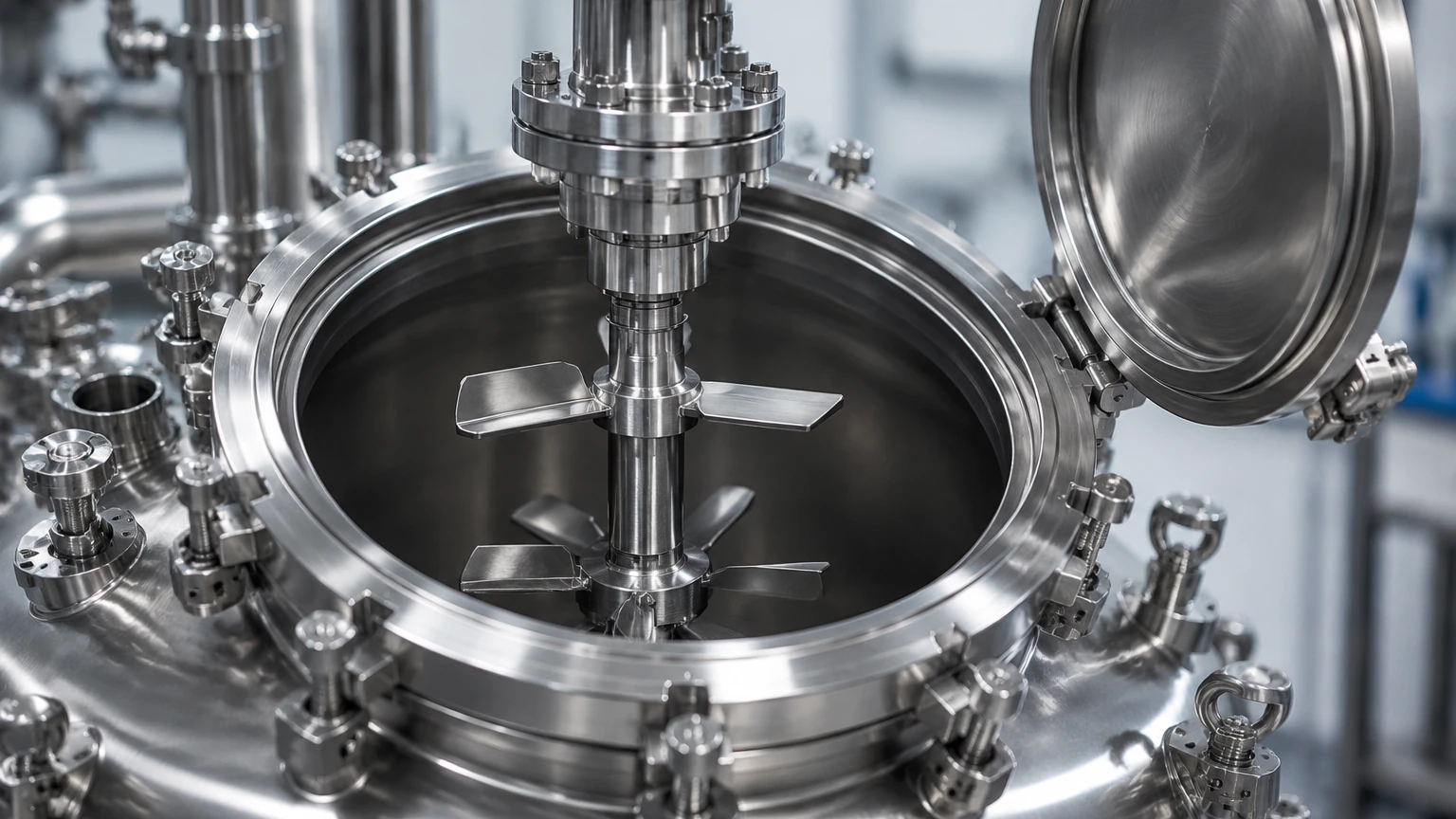
In the landscape of industrial manufacturing, the chemical synthesis reactor stands as the foundational component for producing everything from specialty chemicals and pharmaceuticals to advanced polymers and petrochemicals. At its core, a chemical synthesis reactor is a vessel designed to facilitate controlled chemical reactions, ensuring that temperature, pressure, and mixing are maintained within precise parameters to achieve the desired molecular transformations.
For engineers and procurement professionals, the efficiency of a chemical synthesis reactor is not merely a product of the vessel's volume or heating jacket; it is heavily dependent on the peripheral and internal components that manage the physical state of the reactants. Among these, filtration systems play a critical role in ensuring product purity, protecting downstream equipment, and recovering valuable catalysts. As a specialized manufacturer of stainless steel filtration solutions, Kaifil provides the technical components necessary to optimize these complex reaction environments.
The Fundamental Role of the Chemical Synthesis Reactor in Industrial Processing
A chemical synthesis reactor is engineered to provide the environment necessary for chemical bonds to break and reform. These reactors vary significantly in design, ranging from batch reactors used in pharmaceutical production to continuous stirred-tank reactors (CSTR) used in large-scale chemical plants. Regardless of the configuration, the primary goal is to maximize yield while minimizing byproducts and energy consumption.
In many modern processes, the chemical synthesis reactor must handle multiphase reactions—where solids, liquids, and gases interact simultaneously. This complexity necessitates robust internal components that can withstand the chemical and mechanical stresses of the process. Filtration is often integrated directly into the reactor loop or the discharge line to manage these phases effectively. For instance, in slurry-phase reactions, the filter must separate the liquid product from the solid catalyst particles without interrupting the reaction flow or causing significant pressure drops.
Why Filtration is Essential within a Chemical Synthesis Reactor
Filtration is not merely a post-processing step; it is often an integral part of the reaction cycle within a chemical synthesis reactor. There are three primary reasons why high-performance filtration is required:
1. Catalyst Recovery and Retention
Many chemical reactions rely on heterogeneous catalysts, which are often expensive precious metals or specialized ceramic structures. If these catalysts are lost during the discharge of the chemical synthesis reactor, the operational costs can skyrocket. Precision stainless steel wire mesh filters are used to retain these catalysts within the reaction zone or recover them for regeneration, ensuring they do not contaminate the final product.
2. Product Purification and Impurity Removal
During synthesis, unwanted precipitates or side-reaction byproducts may form. If these solids are allowed to remain in the stream, they can compromise the quality of the final chemical product. Filtration components designed for the chemical synthesis reactor must be capable of capturing fine particulates, often down to the sub-micron level, while maintaining high flow rates to ensure process efficiency.
3. Protection of Downstream Equipment
Downstream of the chemical synthesis reactor, equipment such as heat exchangers, pumps, and high-pressure valves are sensitive to particulate contamination. Solid debris can cause erosion, clogging, or mechanical failure. By implementing robust filtration at the reactor outlet, manufacturers can significantly extend the service life of their entire production line.
Material Engineering for Reactor Filtration Components
The internal environment of a chemical synthesis reactor is frequently characterized by extreme pH levels, high temperatures, and high pressures. Consequently, the materials used for filtration components must be selected with extreme care. Standard polymers or low-grade metals often fail under these conditions, leading to process contamination or catastrophic leaks.
Kaifil specializes in utilizing high-grade stainless steel (such as 304, 316L, and 904L) and specialized alloys like Hastelloy or Monel for reactor filtration. Stainless steel is preferred for its:
* Corrosion Resistance: Essential for handling acidic or alkaline reactants within the chemical synthesis reactor.
* Thermal Stability: Stainless steel filters maintain their structural integrity at temperatures that would melt or deform plastic alternatives, making them ideal for exothermic reactions.
* Mechanical Strength: The ability to withstand high differential pressures is critical when the reactor is operating under vacuum or high-pressure conditions.
When selecting a filter for a chemical synthesis reactor, engineers must evaluate the specific chemical compatibility of the alloy against the reactants and solvents involved to prevent pitting or stress corrosion cracking.
Evaluating Filtration Performance in High-Pressure Environments
Operating a chemical synthesis reactor at high pressure introduces unique challenges for filtration. The filter media must be able to support the load of the fluid flow without collapsing or bypassing. This is where sintered metal mesh and reinforced wire mesh structures become indispensable.
Sintered metal filters, created by bonding multiple layers of wire mesh through a high-temperature diffusion process, offer exceptional rigidity. In a high-pressure chemical synthesis reactor, these components provide a stable pore structure that does not shift under pressure surges. This stability ensures consistent filtration accuracy throughout the entire batch cycle.
Furthermore, the flow resistance—often measured as pressure drop (ΔP)—must be carefully calculated. A high pressure drop across the filter in a chemical synthesis reactor can lead to reduced throughput and increased energy consumption by the pumping systems. Engineers must balance the micron rating (the size of the particles to be captured) with the open area of the mesh to optimize the flow-to-filtration ratio.
Common Operational Risks and Mitigation Strategies
Integrating filtration into a chemical synthesis reactor process involves managing several operational risks. Understanding these risks is the first step toward building a more resilient system.
* Filter Blinding (Clogging): This occurs when the pores of the filter media become blocked by sticky byproducts or a build-up of catalyst fines. To mitigate this, many reactors utilize backwashing or back-pulsing systems that use a reverse flow of fluid to clear the filter surface without dismantling the reactor.
* Thermal Shock: Rapid changes in temperature within the chemical synthesis reactor can cause materials to expand and contract at different rates. Using all-welded stainless steel construction for filters eliminates the risk of adhesive failure or gasket leaks during thermal cycling.
* Chemical Degradation: Even stainless steel can succumb to specific chemical attacks over time. Regular inspection cycles and the use of passivated surfaces can help extend the life of the filtration components.
For technical professionals looking to explore the full range of available filtration technologies and their specific applications in industrial settings, visiting our Main Page provides a comprehensive overview of our manufacturing capabilities and product specifications.
Customization and OEM Engineering for Specialized Reactors
No two chemical synthesis processes are identical. A chemical synthesis reactor used for pharmaceutical API (Active Pharmaceutical Ingredient) production has vastly different requirements than one used for bulk petrochemical refining. Therefore, off-the-shelf filtration solutions are rarely sufficient.
Customization is a core focus at Kaifil. When designing a filter for a specific chemical synthesis reactor, several factors are customized:
1. Geometry and Fit: Filters can be designed as cylindrical cartridges, pleated elements for increased surface area, or flat discs, depending on the reactor's internal space constraints.
2. Filtration Rating: We provide precision-woven mesh with micron ratings tailored to the specific particle size distribution of the catalysts or precipitates being managed.
3. Connection Types: Whether the reactor uses flange connections, NPT threads, or specialized quick-release fittings, the filter housing and elements must be engineered for a leak-proof fit.
By working closely with an OEM manufacturer, engineering teams can ensure that the filtration component is an asset to the chemical synthesis reactor's performance rather than a bottleneck.
Maintenance Protocols for Industrial Filter Cartridges
To maintain the long-term efficiency of a chemical synthesis reactor, a structured maintenance protocol for filtration components is essential. Unlike disposable filters, stainless steel elements are designed to be cleaned and reused, providing a lower total cost of ownership.
Cleaning methods typically include:
* Ultrasonic Cleaning: Using high-frequency sound waves in a cleaning solvent to dislodge fine particles trapped deep within the mesh layers.
* Chemical Cleaning: Using specific acids or bases to dissolve organic or inorganic build-up, followed by thorough neutralization and rinsing.
* Burn-off (Pyrolysis): For polymer-based contaminants, heating the filter in a controlled environment can carbonize the residue, allowing it to be easily removed.
Establishing clear replacement cycles based on differential pressure triggers ensures that the chemical synthesis reactor continues to operate within its safety and efficiency margins. When a filter can no longer be restored to its original clean pressure drop, it is time for a replacement.
Conclusion
The chemical synthesis reactor is a sophisticated piece of engineering that requires equally sophisticated internal components to function at its peak. By understanding the critical relationship between the reaction process and the filtration system, engineers can improve product quality, protect their infrastructure, and reduce operational costs.
Whether you are designing a new chemical synthesis reactor or optimizing an existing production line, selecting the right stainless steel filtration media is a decision that impacts the entire lifecycle of the process. With a focus on durability, precision, and customization, Kaifil remains a dedicated partner in providing the filtration solutions that the chemical industry demands. For detailed product options and application support, we invite you to review the resources available on our Main Page.
