


Filter Element for Air Compressor
In industrial environments, compressed air is often referred to as the "fourth utility." It powers pneumatic tools, facilitates material handling, and supports critical processes in chemical, pharmaceutical, and food and beverage production. However, the efficiency and longevity of an air compressor system depend heavily on the quality of its filtration components. A high-quality filter element for air compressor systems is not merely a consumable part; it is a critical engineering component designed to protect downstream equipment, ensure product purity, and maintain the mechanical integrity of the compressor itself.
Industrial filtration requires a deep understanding of fluid dynamics, contaminant characteristics, and material science. For engineers and procurement teams, selecting the right filter element involves evaluating several technical parameters, including micron ratings, pressure drop, and material compatibility. As a professional manufacturer, Kaifil specializes in providing advanced stainless steel filtration solutions that address these complex requirements, ensuring that industrial systems operate at peak performance even in demanding conditions.
The Function of Filtration in Compressed Air Systems
An air compressor draws in large volumes of ambient air, which naturally contains particulates, water vapor, and hydrocarbons. As the air is compressed, the concentration of these contaminants increases significantly. Without effective filtration, these particles can cause abrasive wear on internal compressor components, clog pneumatic valves, and contaminate the final product.
There are three primary stages where a filter element for air compressor systems is utilized:
1. Air Intake Filtration: This is the first line of defense. The intake filter removes large dust and dirt particles from the ambient air before it enters the compression chamber. High-quality intake filters reduce the load on subsequent filtration stages and prevent premature wear of the rotors or pistons.
2. Oil Filtration: In oil-injected compressors, the lubricant must be filtered to remove metal shavings, carbon deposits, and other debris. A clean oil supply is essential for cooling, sealing, and lubricating the compression elements.
3. Oil-Air Separation: After compression, the air-oil mixture must be separated. The separator element captures oil aerosols, allowing the oil to be recirculated while providing clean, oil-free air to the plant's distribution system.
For specialized applications, such as those found in the pharmaceutical or food sectors, secondary and tertiary filtration—often involving stainless steel mesh or sintered metal—is required to achieve the necessary levels of air purity.
Technical Specifications: Micron Ratings and Efficiency
When evaluating a filter element for air compressor applications, the micron rating is the most common specification cited. However, engineers must distinguish between nominal and absolute micron ratings to ensure the filter meets the application's needs.
* Nominal Micron Rating: This indicates the filter's ability to retain a major weight percentage of particles of a specific size. It does not guarantee 100% removal, which may be insufficient for high-precision pneumatic systems.
* Absolute Micron Rating: This refers to the diameter of the largest hard spherical particle that will pass through the filter under specified test conditions. In critical industrial processes, absolute-rated stainless steel wire mesh filters are preferred for their predictable and consistent performance.
Efficiency is also tied to the Beta Ratio (β), which compares the number of particles upstream of the filter to the number of particles downstream. A higher Beta Ratio indicates superior filtration efficiency. For industrial compressors, maintaining a high efficiency without excessively restricting airflow is the primary engineering challenge.
Engineering Considerations: Pressure Drop and Energy Costs
One of the most overlooked aspects of filter selection is the impact of pressure drop (ΔP). Every filter element introduces some resistance to the airflow. As the filter element for air compressor systems becomes loaded with contaminants, the pressure drop increases.
From a total cost of ownership (TCO) perspective, pressure drop is a significant factor in energy consumption. For every 2 psi (0.14 bar) of pressure drop across a filter, the compressor must work harder, typically requiring an additional 1% in energy input. Over the course of a year, an inefficient or clogged filter can lead to thousands of dollars in wasted electricity.
To optimize system performance, engineers should select filter elements with a high surface area—such as pleated stainless steel designs—which provide high dirt-holding capacity and low initial pressure drop. This design extends the service life of the element and minimizes energy losses.
Advantages of Stainless Steel Filter Elements
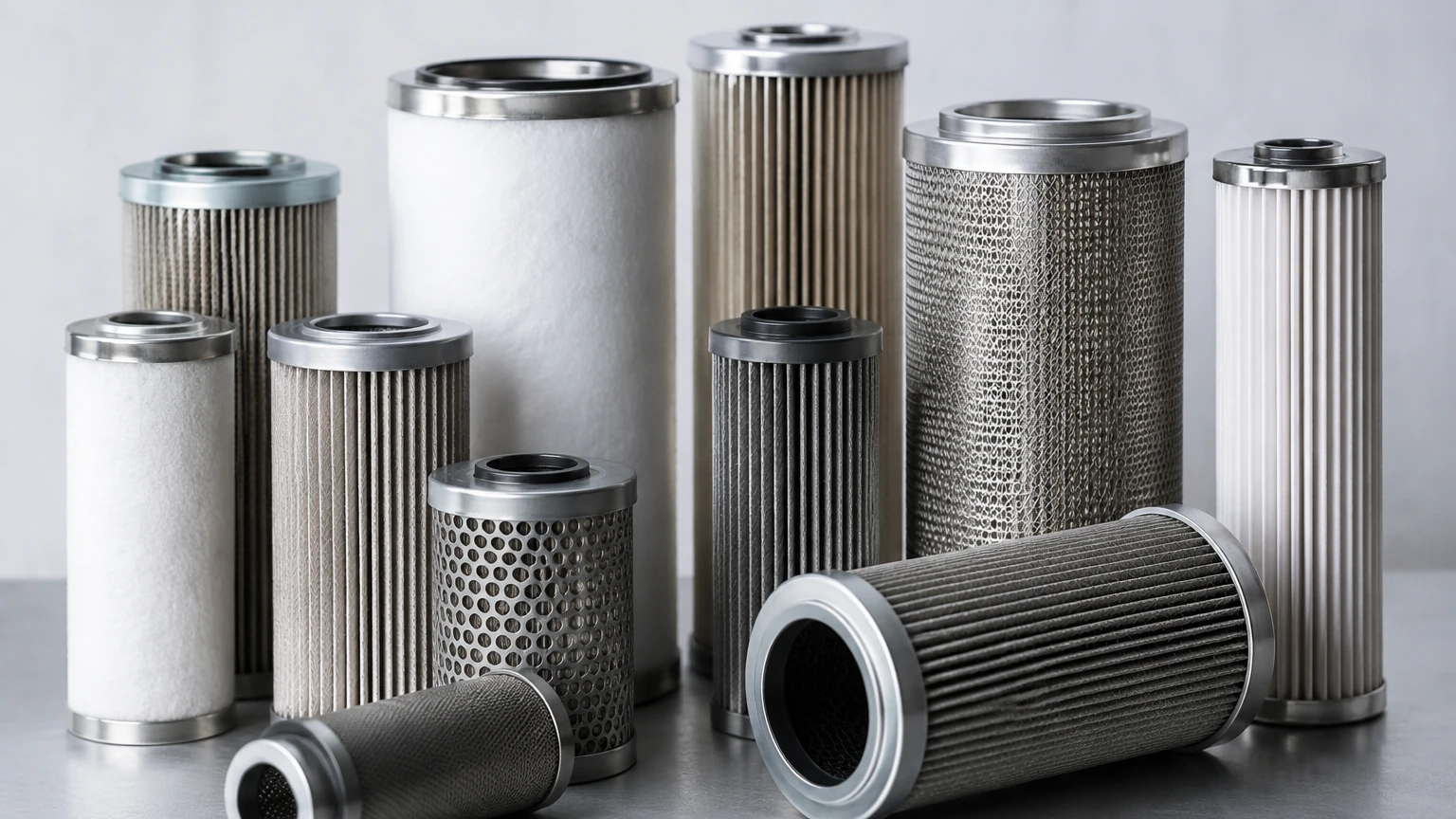
While many standard compressors use paper or synthetic fiber elements, demanding industrial applications often require the durability of metal. Stainless steel filter elements, such as those manufactured by Kaifil, offer several distinct advantages over traditional media:
1. Thermal and Chemical Stability
In chemical processing and high-temperature environments, synthetic filters may degrade or off-gas. Stainless steel (typically 304 or 316L) remains stable at extreme temperatures and is resistant to a wide range of corrosive chemicals and oils. This makes them ideal for specialized air compressor setups used in harsh industrial settings.
2. Mechanical Strength
Air compressor systems can experience pressure surges and mechanical vibrations. Stainless steel wire mesh and sintered metal elements possess high structural integrity, preventing media migration—a common failure mode where bits of the filter material break off and enter the downstream air supply.
3. Cleanability and Reusability
Unlike disposable paper filters, stainless steel elements can often be cleaned and reused. Techniques such as ultrasonic cleaning or backwashing can restore the element's performance, reducing long-term waste and replacement costs. This is particularly beneficial for large-scale industrial operations focusing on sustainability and cost reduction.
For more information on customized metal filtration components, you can visit the Main Page to review product options and application support.
Selection Criteria for Specific Industrial Applications
Choosing the correct filter element for air compressor systems requires aligning the component specifications with the specific needs of the industry.
* Food and Beverage: Filtration components must be made from FDA-compliant materials. Stainless steel is the material of choice due to its non-leaching properties and ability to withstand rigorous cleaning protocols.
* Pharmaceuticals: Air used in pharmaceutical manufacturing must be free of oil, moisture, and microbial contaminants. Precision-engineered sintered metal filters provide the necessary absolute filtration to meet stringent sterile air standards.
* Hydraulic and Heavy Machinery: In these sectors, air compressors often operate in dusty environments. Intake filters must have high dirt-holding capacities to prevent abrasive particles from entering the system and damaging hydraulic seals and cylinders.
* Water Treatment: Compressed air is used for aeration and valve actuation. In these humid environments, corrosion resistance is paramount, making 316L stainless steel an essential material choice for filter housings and elements.
Maintenance and Replacement Cycles
Proactive maintenance is essential for preventing system downtime. A filter element for air compressor systems should be monitored using differential pressure gauges. While many manufacturers suggest time-based replacement intervals (e.g., every 2,000 to 4,000 hours), the actual replacement cycle should be determined by the environmental conditions and the observed pressure drop.
Signs that a filter element requires attention include:
* A noticeable drop in downstream pressure.
* Increased oil carryover in the compressed air lines.
* Unusual noise or increased vibration from the compressor unit.
* Higher than normal energy consumption for the same air output.
For stainless steel elements, a regular cleaning schedule can significantly extend the component's life. However, if the mesh becomes deformed or the sintered structure shows signs of fatigue, the element must be replaced to maintain system safety.
Customization and OEM Solutions
Standard off-the-shelf filters do not always meet the unique requirements of specialized industrial machinery. In many cases, a custom-designed filter element for air compressor applications is necessary to fit specific housing dimensions or to achieve a particular filtration efficiency at a high flow rate.
Kaifil provides comprehensive OEM and customized filtration solutions. Our engineering team works closely with clients to develop filters that meet precise technical requirements, from material selection (such as specific wire mesh weaves) to the structural design of the filter cartridge. By focusing on precision manufacturing and quality control, we ensure that every custom component delivers reliable performance in the most demanding industrial environments.
When sourcing custom filters, engineers should confirm the following details with the manufacturer:
* Operating Pressure and Temperature: Ensure the materials can withstand the peak conditions of the system.
* Flow Rate Requirements: The filter must handle the maximum CFM (cubic feet per minute) of the compressor without excessive ΔP.
* Contaminant Type: Identify whether the primary goal is particulate removal, oil mist separation, or moisture control.
* Connection Type: Confirm the end-cap configuration and sealing methods (e.g., O-rings or gaskets) to ensure a leak-free fit.
Conclusion
The performance of an industrial compressed air system is fundamentally linked to the quality of its filtration. Investing in a high-performance filter element for air compressor systems—particularly those constructed from durable materials like stainless steel—provides long-term benefits in energy efficiency, equipment protection, and product quality. By understanding the technical parameters of filtration and selecting components tailored to the specific application, engineers can optimize their operations and reduce the total cost of ownership. For those seeking reliable, high-precision filtration components, Kaifil offers the manufacturing expertise and engineering support necessary to solve the most challenging industrial filtration problems.
