


Robovent Dust Collector
In modern industrial environments, maintaining air quality is not merely a regulatory requirement but a critical engineering necessity. Systems like the Robovent dust collector are designed to manage the airborne particulates generated during intensive processes such as welding, laser cutting, and metal grinding. For engineers and facility managers, understanding the technical nuances of these systems—and the filtration components that drive them—is essential for optimizing operational efficiency and ensuring long-term equipment reliability.
Industrial filtration is a complex field where the intersection of airflow dynamics, particle morphology, and material science determines the success of a dust collection strategy. This guide examines the engineering principles behind high-performance dust collection, the critical role of filtration media, and the technical considerations involved in maintaining and customizing these systems for demanding industrial applications.
Technical Overview of Robovent Dust Collector Systems
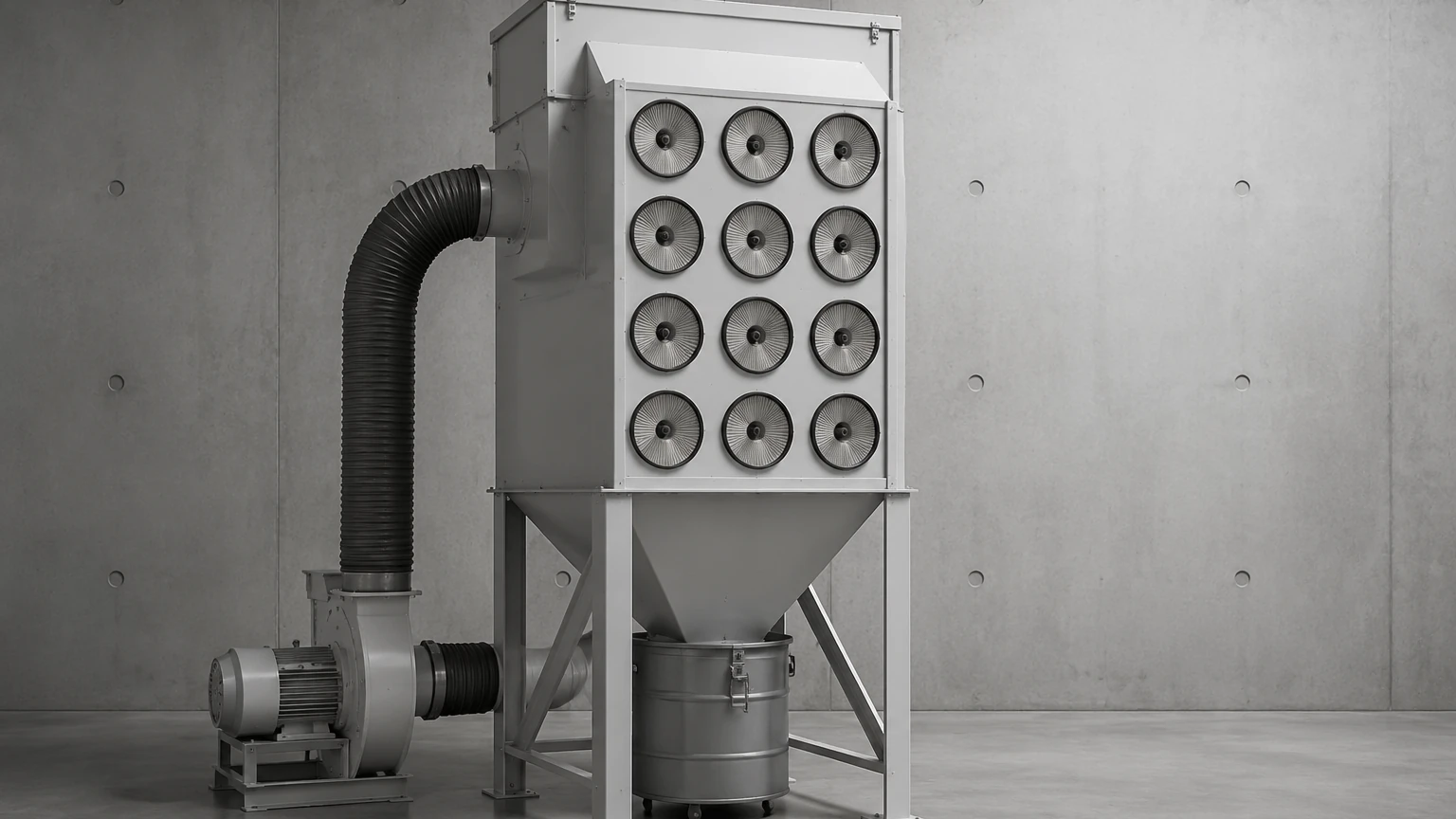
A Robovent dust collector operates on the principle of high-efficiency particulate air (HEPA) or near-HEPA filtration, often utilizing a cartridge-based design to maximize surface area within a compact footprint. These systems are typically integrated into manufacturing cells to capture smoke, fumes, and dust at the source, preventing the migration of contaminants throughout the facility.
From a mechanical perspective, the system relies on a powerful blower to create a pressure differential, drawing contaminated air through a series of filter elements. The efficiency of this process is governed by the air-to-cloth ratio—the volume of air passing through a square foot of filter media. A lower ratio generally leads to better filtration efficiency and longer filter life, as it reduces the velocity of particles hitting the media, thereby minimizing the risk of particle embedment or "blinding."
Most Robovent systems utilize a pulse-jet cleaning mechanism. This involves a high-pressure blast of compressed air directed down the center of the filter cartridge, which momentarily reverses the airflow and dislodges the accumulated dust cake. The effectiveness of this cleaning cycle is highly dependent on the structural integrity of the filter support and the release characteristics of the media material.
Engineering Considerations for Filtration Media
The heart of any Robovent dust collector is the filter media. While standard cellulose or polyester blends are common, specialized industrial applications often require more robust solutions. When evaluating filtration components, engineers must consider the following technical parameters:
1. Micron Rating and Efficiency
Filtration efficiency is often categorized by MERV (Minimum Efficiency Reporting Value) ratings. For fine welding fumes, filters with MERV 15 or 16 are typically required to capture sub-micron particles. Engineers must balance the need for high efficiency with the resulting increase in initial pressure drop across the media.
2. Temperature Resistance
In applications involving hot gases or sparks, standard synthetic media may fail. This is where metal-reinforced filters or specialized stainless steel mesh components become vital. Stainless steel provides the thermal stability necessary to prevent media degradation in high-heat environments.
3. Chemical Compatibility
In chemical processing or environments with corrosive vapors, the choice of filter material is paramount. Stainless steel 316L, for instance, offers superior resistance to pitting and crevice corrosion compared to 304 stainless steel, making it the preferred choice for aggressive industrial atmospheres.
For organizations looking to optimize their filtration hardware, visiting the Main Page of a specialized manufacturer can provide insights into custom-engineered metal filtration components that complement standard dust collection systems.
The Role of Stainless Steel in Industrial Filtration
While many dust collectors use disposable pleated cartridges, certain stages of the filtration process—or specific high-intensity applications—benefit significantly from stainless steel wire mesh and precision metal components. Kaifil specializes in these durable filtration solutions, providing the structural support and pre-filtration capabilities necessary for demanding industrial cycles.
Durability and Structural Integrity
In high-pressure pulse-jet systems, the filter element is subjected to repeated mechanical stress. Stainless steel inner and outer cores provide the rigidity required to prevent cartridge collapse. Furthermore, in heavy-duty applications, a stainless steel mesh pre-filter can capture larger, abrasive particles before they reach the primary fine-filtration media, significantly extending the service life of the more expensive HEPA-grade cartridges.
Cleanability and Reusability
Unlike cellulose-based media, which must be discarded once the dust cake becomes permanently embedded, stainless steel wire mesh filters can often be cleaned and returned to service. This is particularly advantageous in hydraulic and liquid-processing components of industrial machinery where total cost of ownership (TCO) is a primary concern. Methods such as ultrasonic cleaning or backwashing allow for the recovery of the filter's original permeability.
Optimizing Performance: Pressure Drop and Airflow
A critical metric for any engineer managing a Robovent dust collector is the "Delta P" or pressure drop across the filters. A high pressure drop indicates that the filters are loaded and the system is consuming more energy to move the same volume of air.
To maintain optimal performance, the following factors should be monitored:
* Face Velocity: The speed at which air enters the filter media. If the velocity is too high, particles can be driven deep into the media fibers, making the pulse-cleaning less effective.
* Compressed Air Quality: The pulse-jet cleaning system requires clean, dry air. Moisture in the compressed air can lead to "clumping" of the dust on the filter surface, a phenomenon known as mud-coating, which permanently restricts airflow.
* Gasket Integrity: Even the highest quality filter is useless if air can bypass the media. Precision-engineered metal end caps and high-quality seals are essential to ensure that 100% of the air passes through the filtration zone.
Customization and OEM Solutions
Every industrial facility has unique requirements based on the material being processed. A Robovent dust collector used for aluminum grinding has different safety and filtration needs than one used for pharmaceutical powder handling. Customization often involves adjusting the filter geometry, selecting specific alloys for the filter housing, or integrating specialized spark arrestors.
Manufacturers like Kaifil provide OEM support by developing custom stainless steel filter cartridges and wire mesh components that meet exact micron requirements and spatial constraints. By working with a dedicated filtration partner, engineers can design systems that handle higher particulate loads without increasing the footprint of the dust collection unit.
When specifying custom components, engineers should confirm:
* Material Certification: Ensure the stainless steel grades (304, 316, 316L) meet the required industrial standards.
* Filtration Accuracy: Define the absolute vs. nominal micron rating based on the particle size distribution (PSD) of the dust.
* Flow Rates: Provide accurate CFM (cubic feet per minute) data to ensure the custom component does not introduce excessive resistance.
Maintenance and Total Cost of Ownership
The true cost of a Robovent dust collector is not the purchase price, but the ongoing maintenance and energy costs. A proactive maintenance schedule is essential for minimizing downtime. This includes regular inspection of the pulse-jet valves, monitoring the differential pressure gauge, and timely replacement of filter elements.
Using high-quality, precision-manufactured replacement parts can reduce the frequency of change-outs. For example, a stainless steel mesh filter that protects the primary cartridge from large debris can pay for itself within a few months by doubling the life of the primary filters. Furthermore, optimizing the pulse-cleaning frequency based on actual pressure drop rather than a simple timer can save significant amounts of compressed air energy.
Conclusion
Selecting and maintaining a Robovent dust collector requires a deep understanding of filtration physics and material performance. Whether the goal is to improve air quality in a welding shop or to protect sensitive machinery from abrasive dust, the choice of filtration media and structural components is the most significant factor in system success. By focusing on high-quality materials like stainless steel and considering the specific demands of the industrial environment, engineers can achieve a balance of high efficiency, low energy consumption, and long-term durability.
For technical professionals seeking to enhance their filtration systems with custom metal components, exploring the capabilities of a specialized manufacturer is the next logical step. Reviewing product options and application support on the Main Page can provide the engineering data needed to make informed decisions for your facility's air quality and filtration needs.
