


Filters Housing
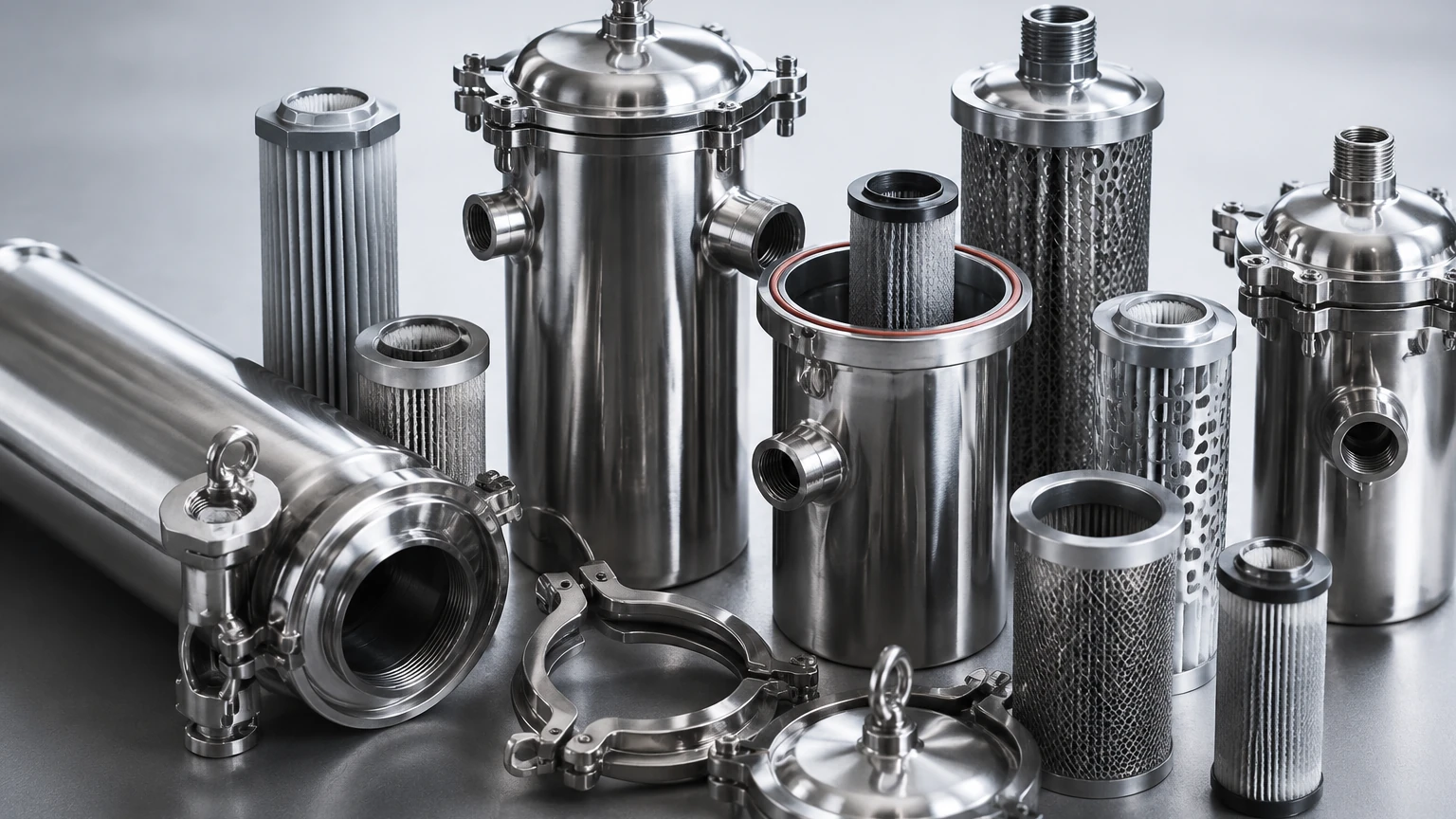
In the landscape of industrial filtration, the filters housing serves as the critical interface between the process fluid and the filtration media. While the filter element—whether a wire mesh cartridge, a pleated membrane, or a sintered metal component—performs the actual separation, the housing provides the structural integrity, pressure containment, and flow direction necessary for the system to operate safely and efficiently. For engineers and procurement professionals, selecting the correct filters housing is as vital as choosing the filter media itself, as an improperly specified housing can lead to bypassed contaminants, mechanical failure, or excessive pressure drops.
Industrial filters housing units are engineered to withstand rigorous operating conditions, including high pressures, extreme temperatures, and corrosive chemical environments. As a manufacturer specializing in stainless steel filtration solutions, Kaifil emphasizes the importance of matching housing specifications to the specific hydraulic and chemical demands of the application. This guide explores the engineering considerations, material requirements, and selection criteria essential for optimizing filtration performance.
The Fundamental Role of Filters Housing in Industrial Systems
A filters housing is more than a simple container; it is a precision-engineered pressure vessel designed to manage fluid dynamics. Its primary functions include securing the filter element in a fixed position, ensuring that 100% of the process fluid passes through the media without bypass, and providing a means to monitor and maintain the filtration process.
In high-pressure hydraulic systems or chemical processing lines, the housing must maintain a leak-proof seal under fluctuating loads. The internal geometry of the housing is designed to minimize turbulence and dead zones where bacteria could grow or particles could settle. Furthermore, the housing facilitates the installation of gauges, vents, and drains, which are essential for operational safety and maintenance. Without a robust housing, even the most advanced stainless steel filter cartridge cannot perform its intended function.
Material Selection and Engineering Specifications
Material compatibility is the first hurdle in specifying a filters housing. In most industrial and sanitary applications, stainless steel is the standard due to its mechanical strength and resistance to oxidation.
Stainless Steel 304 vs. 316L
For general industrial water treatment or non-corrosive hydraulic fluids, Type 304 stainless steel offers a cost-effective solution with excellent durability. However, in environments involving chlorides, acids, or high-purity requirements, Type 316L stainless steel is the preferred choice. The addition of molybdenum in 316L enhances its resistance to pitting and crevice corrosion. The "L" designation signifies low carbon content, which is crucial for preventing carbide precipitation during welding, thereby maintaining the structural integrity of the housing at the weld seams.
Surface Finish and Treatment
In the food and beverage and pharmaceutical industries, the internal surface finish of the housing is a critical specification. Roughness average (Ra) values are used to quantify the smoothness of the metal. A lower Ra value (typically achieved through mechanical polishing or electropolishing) reduces the surface area where contaminants or microbes can adhere. Electropolishing, in particular, provides a microscopic leveling of the surface and enhances the protective chromium oxide layer, making the housing easier to clean and sterilize (CIP/SIP processes).
Key Design Configurations for Diverse Applications
Filters housing designs vary significantly based on the volume of fluid to be processed and the type of filter element utilized. Understanding these configurations is essential for integrating the housing into an existing or new process line.
Single-Element vs. Multi-Round Housings
Single-element housings are typically used for lower flow rates or point-of-use filtration. They are compact and easier to maintain in tight spaces. Conversely, multi-round housings accommodate multiple filter cartridges in a single vessel. This design is used for high-flow industrial applications, allowing for a larger total filtration surface area within a relatively small footprint. Multi-round housings help reduce the frequency of filter changes by distributing the contaminant load across several elements.
Sanitary vs. Industrial Designs
Sanitary housings are designed with "clean-in-place" capabilities. They feature tri-clamp connections, rounded internal corners to eliminate stagnant areas, and high-grade gaskets. Industrial housings, often used in oil, gas, or heavy manufacturing, may utilize flanged or NPT threaded connections and are built to withstand higher mechanical stresses and coarser fluids.
Bag Filter Housings
For applications involving high solids loading, bag filter housings are a common choice. These units utilize a perforated metal basket to support a fabric or mesh filter bag. The flow enters the top of the bag and exits through the bottom, trapping contaminants inside the bag for easy disposal. These are frequently used in wastewater treatment and bulk chemical processing.
Critical Selection Criteria for Engineers
When evaluating a filters housing for a specific project, several technical parameters must be confirmed to ensure long-term reliability and system compatibility.
1. Design Pressure and Temperature: The housing must be rated for the maximum operating pressure of the system, including potential pressure spikes. ASME Code stamping is often required for high-pressure vessels to certify safety compliance.
2. Flow Rate and Pressure Drop (Delta P): Every housing introduces a certain amount of resistance to flow. Engineers must calculate the initial pressure drop across the empty housing and the clean filter element to ensure the pump system can handle the load. Oversizing a housing can sometimes be beneficial to reduce flow velocity and extend the life of the filter media.
3. Connection Sizes and Types: Proper integration requires matching the housing ports to the existing piping. Common options include ANSI flanges, NPT threads, BSP threads, and sanitary tri-clamps. The port size should be chosen to match the flow velocity requirements of the fluid.
4. Seal and O-Ring Compatibility: The choice of sealing material is vital. EPDM is common for water and steam, Viton (FKM) is used for oils and chemicals, and PTFE (Teflon) is reserved for the most aggressive chemical environments. A seal failure can lead to external leaks or internal bypass, rendering the filtration system ineffective.
Performance Monitoring and Maintenance Protocols
The longevity of a filtration system depends heavily on how the filters housing is monitored and maintained. The most critical tool in this regard is the differential pressure gauge. By measuring the pressure difference between the inlet and outlet ports, operators can determine exactly when a filter element is clogged and requires replacement.
Routine maintenance should include the inspection of the housing’s internal surfaces for signs of corrosion or erosion. Gaskets and O-rings are wear items and should be replaced during every filter change-out to ensure a tight seal. Furthermore, the venting and draining procedures must be strictly followed. Trapped air in a housing can lead to air binding, which reduces the effective filtration area and can cause mechanical stress on the filter elements.
For systems handling hazardous fluids, the housing should be equipped with safety interlocks or specialized drain valves to prevent operator exposure during maintenance. Proper training on the opening and closing mechanisms—whether they are swing-bolt closures for heavy-duty use or V-band clamps for lighter applications—is essential for workplace safety.
Customization and OEM Solutions for Specialized Filtration
Standard off-the-shelf housings do not always meet the unique requirements of complex industrial processes. Customization allows engineers to specify unique port orientations, specialized mounting brackets, or non-standard dimensions to fit within specific machinery.
Kaifil provides comprehensive OEM capabilities, working closely with engineering teams to develop bespoke filtration components. Whether it is a modification of a standard stainless steel cartridge housing or the development of a completely new precision metal filter component, customization ensures that the filtration system is optimized for the specific fluid dynamics and space constraints of the application. Engineers looking for detailed technical specifications and support for customized projects should consult the Main Page to review product options and application support.
Total Cost of Ownership and Long-term Reliability
While the initial purchase price of a filters housing is a factor, the total cost of ownership (TCO) is a more accurate measure of value. A high-quality stainless steel housing may have a higher upfront cost than plastic or lower-grade metal alternatives, but its durability and resistance to environmental stress result in fewer replacements and lower maintenance costs over time.
Considerations for TCO include:
* Ease of Access: How quickly can a technician open the housing and change the filter? Labor costs during downtime can quickly exceed the cost of the hardware.
* Durability: Will the housing withstand the cleaning chemicals or environmental conditions (such as salt spray in offshore applications)?
* Versatility: Can the housing accommodate different types of filter media if the process requirements change in the future?
By investing in a well-engineered filters housing, facilities can ensure consistent product quality, protect downstream equipment from damage, and maintain a safer working environment. The synergy between a high-performance filter element and a robust, correctly specified housing is the foundation of any successful industrial filtration strategy.
