


Sintered Filter Disc
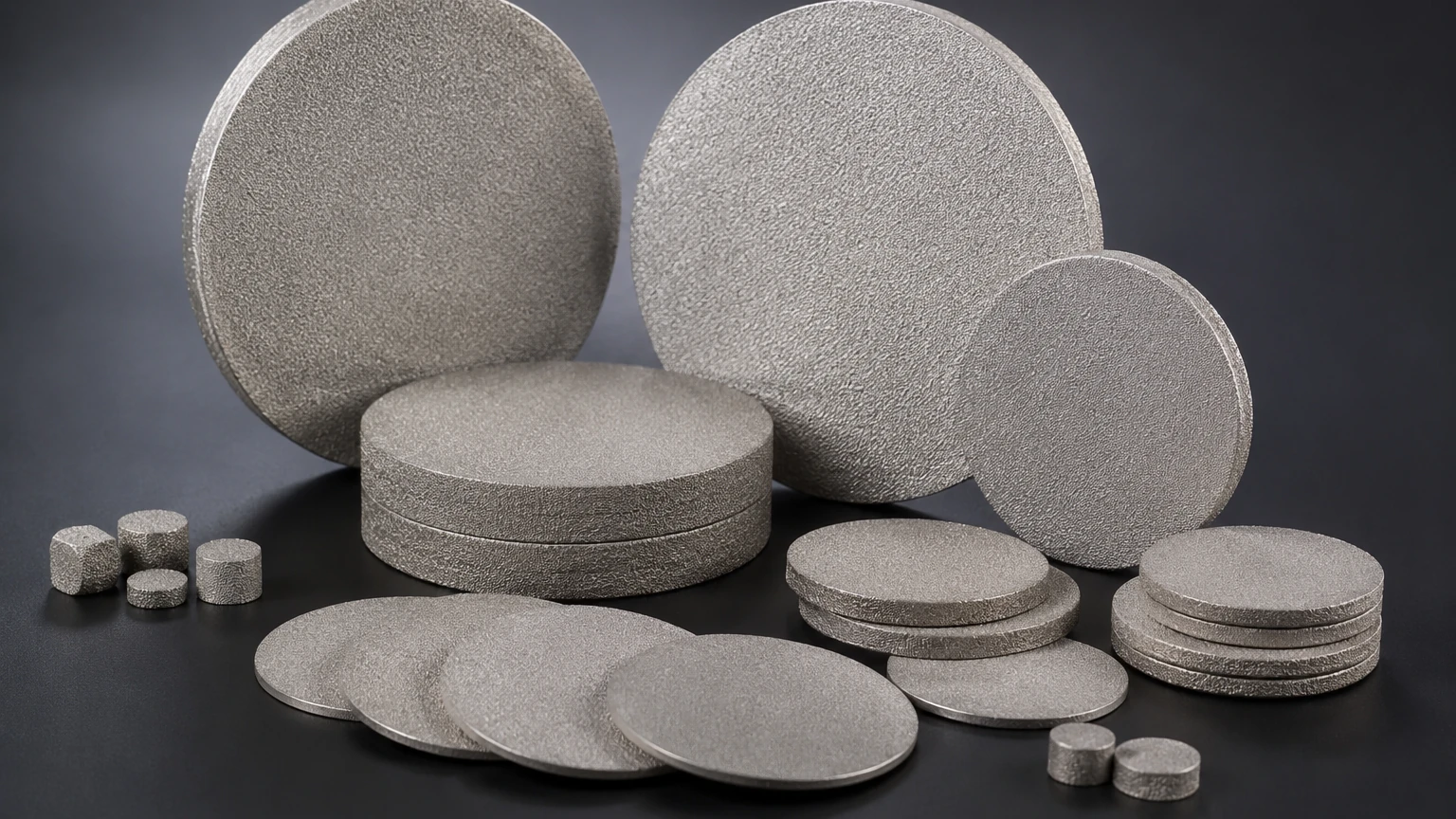
In the realm of industrial filtration, the sintered filter disc represents a pinnacle of engineering designed to meet the rigorous demands of high-pressure, high-temperature, and corrosive environments. Unlike traditional woven wire mesh or disposable polymer filters, a sintered filter disc is a multi-layered metallic component that has undergone a specialized thermal bonding process known as sintering. This process transforms individual layers of stainless steel wire mesh, metal fiber, or metal powder into a single, integrated porous structure with exceptional mechanical properties and precise filtration characteristics.
For engineers and procurement professionals in the chemical processing, pharmaceutical, and food and beverage sectors, selecting the right filtration media is critical to process efficiency and product purity. Understanding the technical nuances of sintered filter discs—from their manufacturing process to their performance under stress—is essential for optimizing industrial systems and ensuring long-term operational reliability.
The Engineering Behind Sintered Filter Discs
The production of a sintered filter disc involves a sophisticated metallurgical process called diffusion bonding. This occurs in a high-temperature, vacuum-controlled furnace. Multiple layers of stainless steel wire mesh (often 316L or 304 grade) are stacked and then subjected to intense heat and pressure. At temperatures just below the melting point of the metal, the atoms at the contact points of the wires diffuse across the boundaries, fusing the layers together without the need for binders, adhesives, or welding materials.
Multi-Layer Construction
A typical high-performance sintered filter disc is often composed of five distinct layers, each serving a specific engineering purpose:
1. Protective Layer: The outermost layer that protects the fine filtration mesh from physical damage during handling and operation.
2. Control Layer: The core layer that determines the filtration precision (micron rating). This layer is precisely woven to ensure uniform pore size distribution.
3. Distribution Layer: This layer helps distribute the fluid flow evenly across the control layer, preventing localized high-pressure zones that could lead to premature fouling.
4. Support Layers (Two Layers): These thicker, coarser mesh layers provide the structural rigidity required to withstand high differential pressures without deformation.
By combining these layers into a monolithic disc, manufacturers like Kaifil create a filter that maintains its pore geometry even under extreme mechanical stress, a feat that standard wire mesh cannot achieve.
Key Performance Advantages in Demanding Environments
The primary reason engineers specify a sintered filter disc over other media is its inherent durability and stability. The sintering process eliminates the risk of "pore migration," a common failure mode in non-sintered mesh where individual wires shift under pressure, causing the filtration rating to fluctuate.
Mechanical Strength and Pressure Resistance
Because the layers are fused at the molecular level, sintered filter discs can withstand significantly higher differential pressures than traditional filters. This makes them ideal for hydraulic systems and high-viscosity fluid filtration where the pressure drop across the media can be substantial.
Thermal and Chemical Stability
Utilizing high-grade alloys such as 316L stainless steel, Monel, or Inconel, these discs are capable of operating in temperatures ranging from cryogenic levels up to 600°C (depending on the alloy and atmospheric conditions). Furthermore, their metallic nature provides excellent resistance to a wide array of corrosive chemicals, acids, and alkalis, which would typically degrade polymer-based filters.
High Filtration Precision
Sintered filter discs offer highly accurate and consistent micron ratings, typically ranging from 1 micron to 200 microns. The uniformity of the pores ensures that the "cut-off" point for particulates is sharp, providing reliable protection for downstream equipment like high-pressure pumps and precision nozzles.
Technical Selection Factors: Balancing Precision and Flow
When specifying a sintered filter disc for a new or existing system, engineers must evaluate several technical parameters to ensure the component meets the application's requirements without causing system inefficiencies.
Permeability vs. Filtration Rating
There is an inherent trade-off between how finely a disc filters (micron rating) and how easily fluid passes through it (permeability). A finer filter will naturally result in a higher initial pressure drop ($ΔP$). It is crucial to calculate the required flow rate and ensure the filter surface area is sufficient to keep the pressure drop within the system's design limits. Over-specifying filtration fineness can lead to frequent cleaning cycles and increased energy consumption by pumps.
Material Compatibility
While 316L stainless steel is the industry standard due to its balance of cost and corrosion resistance, certain applications may require specialized alloys. For instance, in environments with high chloride concentrations, Hastelloy may be necessary to prevent pitting and stress corrosion cracking. Engineers should always verify the chemical compatibility of the filter media with the process fluid at the maximum operating temperature.
Disc Geometry and Edging
Sintered filter discs can be manufactured in various shapes, including circular, annular (ring-shaped), and rectangular. Furthermore, the edging of the disc is a critical consideration for installation. Options include open edges, where the mesh is simply cut, or bound edges, where a solid metal ring is welded to the perimeter to provide a sealing surface and additional structural support.
Industrial Applications: From Chemical Processing to Pharmaceuticals
The versatility of the sintered filter disc allows it to be utilized across a broad spectrum of industries where fluid purity and component longevity are paramount.
* Chemical and Petrochemical: Used for the filtration of aggressive solvents, catalysts recovery, and polymer melt filtration. The ability to withstand high temperatures and corrosive environments makes these discs indispensable in refinery operations.
* Pharmaceutical and Biotechnology: In these sectors, cleanability and material purity are non-negotiable. Sintered filter discs are used for sterile air filtration, solvent purification, and as support plates in chromatography columns. Their smooth surface and lack of binders prevent extractables from leaching into the product.
* Food and Beverage: Used for steam filtration (culinary steam), carbonation of beverages, and the removal of yeast or sediment in brewing and winemaking. Because they are made of food-grade stainless steel, they comply with strict hygiene standards.
* Hydraulic and Lubrication Systems: High-pressure hydraulic systems rely on sintered discs to protect sensitive valves and actuators from particulate contamination that could cause catastrophic system failure.
Longevity and Maintenance: Optimizing Total Cost of Ownership
One of the most significant B2B advantages of the sintered filter disc is its long service life and cleanability. While the initial acquisition cost is higher than that of disposable cartridges, the total cost of ownership (TCO) is often lower due to the reduction in waste and replacement frequency.
Cleaning Methodologies
Because they are robust metallic components, sintered filter discs can be cleaned and reused multiple times. Common cleaning methods include:
* Ultrasonic Cleaning: Using high-frequency sound waves in a cleaning solution to dislodge deep-seated particulates within the pore structure.
* Backwashing/Backpulsing: Reversing the flow of fluid through the filter to push contaminants off the surface.
* Chemical Cleaning: Using specific acids or alkalis to dissolve organic or inorganic fouling, followed by a thorough rinse.
* Thermal Cleaning (Burn-off): In applications like polymer filtration, the discs can be heated in a vacuum oven to carbonize and remove organic residues.
Proper maintenance protocols ensure that the filter returns to near-original permeability, extending the time between total system overhauls.
Sourcing Customized Sintered Filtration Solutions
Every industrial process has unique variables, meaning a one-size-fits-all approach to filtration rarely yields the best results. Working with a specialized manufacturer like Kaifil allows for the development of customized sintered filter discs tailored to specific micron ratings, flow requirements, and mechanical dimensions.
Whether you are designing a new filtration system or looking to improve the performance of an existing one, it is essential to partner with a supplier that understands the engineering complexities of diffusion bonding and mesh selection. For a comprehensive overview of available filtration components and to consult with technical experts on custom designs, professionals are encouraged to visit the Main Page of the Kaifil website. Reviewing product options and application support early in the design phase can prevent costly engineering errors and ensure the selected filter disc provides the necessary protection for your industrial assets.
Conclusion
The sintered filter disc is more than just a piece of mesh; it is a precision-engineered tool designed for the most challenging industrial environments. By offering a combination of high mechanical strength, chemical resistance, and repeatable filtration performance, these discs provide the reliability that modern industrial processes demand. By focusing on the technical selection criteria—such as material grade, layer configuration, and cleanability—engineers can ensure they choose a filtration solution that optimizes performance while minimizing long-term operational costs.
