


Water Skids
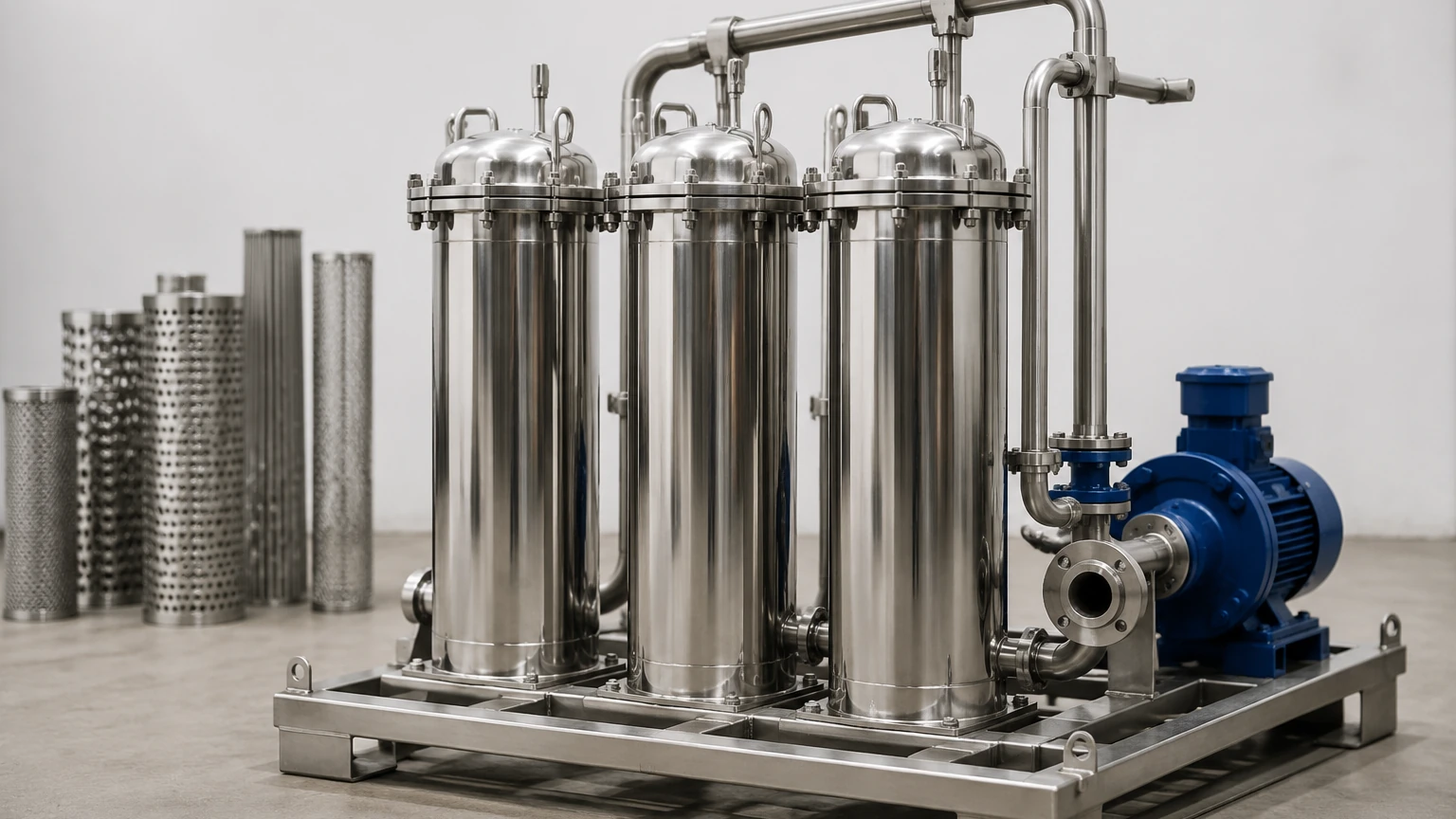
In the landscape of industrial water treatment and process engineering, water skids represent a critical shift toward modularity, efficiency, and precision. A water skid is a self-contained, frame-mounted system that integrates various components—such as pumps, piping, control systems, and, most importantly, filtration units—into a single, portable unit. These systems are engineered to perform specific tasks, ranging from reverse osmosis and ultrafiltration to chemical dosing and deionization.
For engineers and procurement professionals, the selection of a water skid is not merely a purchase of hardware but an investment in process reliability. The heart of these systems often lies in their ability to remove contaminants consistently, which places a high premium on the quality of the filtration components used. As industrial requirements become more stringent, the demand for durable, high-performance stainless steel filtration solutions within these skids has grown. To explore the full range of technical specifications and component options, professionals often refer to the Main Page of specialized manufacturers to ensure their systems meet rigorous industrial standards.
Understanding Industrial Water Skids and Their Role in Process Efficiency
Industrial water skids are designed to simplify the integration of complex water treatment processes into existing facilities. By assembling the system on a "skid" or metal frame at a manufacturing facility, the provider can ensure that every connection, sensor, and filter is tested under controlled conditions before it reaches the site. This modular approach significantly reduces on-site installation time and labor costs.
From a process efficiency standpoint, water skids offer a compact footprint, which is essential in facilities where floor space is at a premium. Whether the application is in chemical processing, food and beverage production, or pharmaceutical manufacturing, the skid-mounted design allows for easier maintenance access and the ability to scale operations by adding additional modules. The efficacy of these systems, however, is heavily dependent on the filtration stage, which protects downstream equipment like high-pressure pumps and sensitive membranes from particulate damage.
Critical Components of Water Skid Filtration Systems
While a water skid includes various mechanical and electrical parts, the filtration assembly is the primary line of defense against process variability. In demanding industrial environments, stainless steel filtration components are preferred over plastic or disposable alternatives due to their structural integrity and longevity.
Stainless Steel Filter Cartridges
Within many water skids, stainless steel filter cartridges serve as the primary filtration media. These are often constructed from pleated or cylindrical wire mesh, providing a high surface area for particle retention. Unlike polymer-based filters, stainless steel cartridges can withstand high differential pressures and extreme temperatures without deforming or leaching chemicals into the process stream.
Wire Mesh Filters
Precision-engineered wire mesh filters are integrated into skids to handle specific micron ratings. These filters are essential for removing suspended solids and protecting delicate instrumentation. The choice of weave—whether plain, twilled, or Dutch weave—determines the filtration accuracy and the flow characteristics of the skid.
Filter Housings
The housing must be designed to match the skid’s flow requirements and pressure ratings. In many water skids, multi-round housings are used to accommodate high flow rates while maintaining a compact vertical profile. These housings are typically fabricated from 304 or 316L stainless steel to ensure corrosion resistance in harsh environments.
Engineering Considerations for Selecting Water Skids
When specifying or purchasing water skids, engineers must evaluate several technical parameters to ensure the system performs as expected over its operational life. A failure to account for these variables can lead to frequent downtime or premature component failure.
1. Flow Rate and Flux: The system must be sized to handle the peak demand of the facility. Filtration flux—the rate of flow per unit area of filter media—must be optimized to prevent rapid fouling. If the flux is too high, particles may be forced through the media or cause a rapid increase in pressure drop.
2. Micron Rating and Filtration Efficiency: Defining the required filtration accuracy is vital. Engineers must distinguish between nominal and absolute micron ratings. In critical applications like pharmaceutical water skids, absolute ratings are necessary to guarantee the removal of specific particle sizes.
3. Pressure Drop ($ΔP$): Every filter introduces a degree of resistance. It is essential to calculate the clean pressure drop and establish a maximum allowable pressure drop before the system triggers a backwash cycle or requires manual cleaning. High-quality stainless steel filters are designed to minimize initial $ΔP$ while maximizing dirt-holding capacity.
4. Footprint and Accessibility: The physical dimensions of the skid must allow for easy integration into the plant layout. Furthermore, the design must provide sufficient clearance for operators to replace filter cartridges or perform routine maintenance on pumps and valves.
Material Selection and Chemical Compatibility
The environment in which water skids operate often involves exposure to corrosive chemicals, high-salinity water, or aggressive cleaning agents (CIP – Clean-In-Place). Consequently, material selection is a cornerstone of skid engineering.
* 304 Stainless Steel: Suitable for general industrial water applications where corrosion risk is moderate. It offers excellent mechanical properties and cost-effectiveness.
* 316L Stainless Steel: The standard for pharmaceutical, food and beverage, and marine applications. The addition of molybdenum provides superior resistance to pitting and crevice corrosion, particularly in the presence of chlorides.
* Sintered Metal Media: For applications involving high pressure or very fine filtration, sintered wire mesh or sintered metal powder filters are used within the skid. These materials offer exceptional mechanical strength and can be cleaned and reused multiple times, reducing the total cost of ownership.
Ensuring that the gaskets, seals, and filter media are all compatible with the fluid being processed is critical to preventing leaks and contamination. Engineers should verify that the materials used in the Main Page specifications align with their specific chemical exposure profiles.
Common Operational Risks and Mitigation Strategies
Operating water skids involves managing risks that can compromise water quality or system longevity. Understanding these risks allows for better system design and more effective maintenance protocols.
Clogging and Biofouling
In water treatment, biological growth or heavy sediment loads can quickly clog filter media. To mitigate this, many water skids incorporate automated backwashing sequences or redundant filter banks (duplex systems) that allow one side to be cleaned while the other remains in operation. Using stainless steel mesh with smooth surface characteristics can also reduce the rate of particle adhesion.
Pressure Surges and Water Hammer
Rapid valve closures or pump starts can create pressure spikes that damage filter elements or piping. Incorporating variable frequency drives (VFDs) for pumps and slow-closing valves into the skid design helps protect the filtration components from mechanical shock.
Bypass and Seal Failure
If a filter is not seated correctly within its housing, contaminated water can bypass the media entirely. High-quality water skids utilize precision-machined sealing surfaces and robust locking mechanisms for filter cartridges to ensure that 100% of the fluid passes through the intended filtration barrier.
Customization and OEM Solutions for Specialized Applications
No two industrial processes are identical, which often necessitates customized water skids. OEM (Original Equipment Manufacturer) capabilities allow for the development of filtration components that are tailored to unique flow rates, unconventional housing shapes, or specific filtration challenges.
Customization might involve:
* Bespoke Filter Dimensions: Creating filter cartridges that fit into non-standard housings within a legacy skid system.
* Specialized Alloy Selection: Utilizing exotic metals for highly acidic or high-temperature process streams.
* Integrated Monitoring: Adding differential pressure sensors and flow meters that communicate directly with a facility's SCADA system for real-time performance tracking.
By working closely with manufacturers who specialize in custom stainless steel filtration, engineering teams can ensure that their water skids are optimized for their specific operational parameters rather than relying on "off-the-shelf" solutions that may underperform.
Maintenance Protocols and Total Cost of Ownership
While the initial capital expenditure (CAPEX) of a water skid is a significant factor, the total cost of ownership (TCO) is driven by operational expenses (OPEX), including energy consumption and maintenance. Stainless steel filters play a vital role in reducing TCO because they are often cleanable and reusable.
Cleaning and Regeneration
Unlike disposable plastic filters, stainless steel elements used in water skids can be cleaned via ultrasonic baths, chemical circulation, or high-pressure backpulsing. This eliminates the recurring cost of replacement filters and reduces the environmental impact of the operation.
Replacement Cycles
Even with cleaning, filter media will eventually reach the end of its functional life due to mechanical wear or irreversible fouling. Establishing a clear replacement cycle based on pressure drop trends and effluent quality ensures that the water skid continues to protect downstream processes effectively.
Documentation and Compliance
For industries like food, beverage, and pharmaceuticals, maintaining a log of maintenance activities and ensuring that all components meet FDA or equivalent standards is mandatory. High-quality skids are provided with full material traceability (MTRs) for all wetted parts, including the filtration media.
Conclusion: Confirming Requirements Before Acquisition
Before proceeding with the acquisition of water skids or replacement filtration components, technical teams should confirm several key factors. These include the precise chemical composition of the influent, the required effluent purity, the available space for installation, and the long-term maintenance strategy. By focusing on high-quality stainless steel filtration and robust engineering design, facilities can ensure their water treatment modules provide reliable service for years to come.
For those in the process of designing or upgrading their systems, reviewing the technical capabilities and product ranges on the Main Page of an experienced manufacturer is a recommended step to align component selection with application demands.
