


Self Cleaning Filter System
In industrial liquid processing, maintaining a continuous flow while ensuring high-purity filtration is a significant engineering challenge. Traditional manual filtration systems often require frequent downtime for cleaning or element replacement, which can disrupt production cycles and increase labor costs. A self cleaning filter system offers an automated solution designed to remove suspended solids from liquids without interrupting the process flow. This guide explores the technical architecture, selection criteria, and operational considerations for engineers and procurement teams evaluating these systems for industrial applications.
Understanding the Mechanics of a Self Cleaning Filter System
A self cleaning filter system operates on the principle of automated debris removal from the filter media. Unlike standard basket strainers or cartridge filters that must be taken offline when clogged, these systems utilize a cleaning mechanism triggered by time intervals or differential pressure (DP). When the accumulated solids on the filter element reach a predetermined pressure threshold, the system initiates a cleaning cycle.
There are two primary mechanical approaches to self-cleaning:
1. Mechanical Scraper Systems
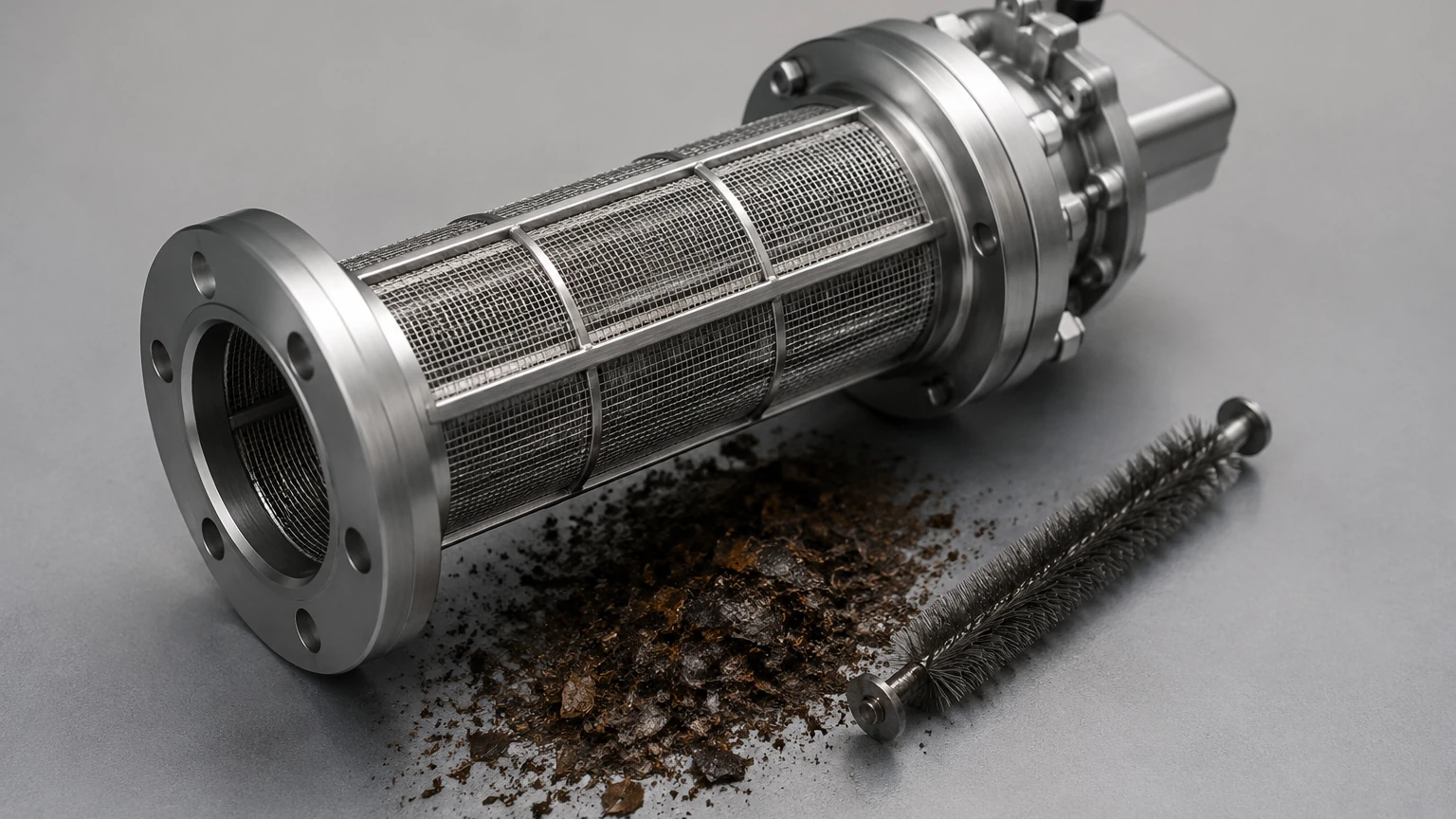
In this configuration, a scraper or brush moves across the surface of the filter element (typically a wedge wire screen or perforated metal). The scraper physically dislodges the "filter cake" or debris. These solids then settle into a collection chamber at the bottom of the housing, where they are periodically purged through a flush valve. This method is particularly effective for high-viscosity fluids or sticky contaminants like oils, fats, and resins.
2. Backwash or Backpulse Systems
Backwash systems use a portion of the filtered fluid (or an external clean fluid/gas) to flow in the reverse direction through the filter media. This reverse flow lifts the trapped particles off the screen and carries them out through a waste discharge port. These systems are highly efficient for water treatment and low-viscosity chemical processing where the particles are non-adhesive.
Key Engineering Considerations for Filter Media Selection
The heart of any self cleaning filter system is the filter media. For industrial B2B applications, stainless steel is the standard due to its durability and chemical resistance. Engineers must select the media type based on the specific particle morphology and fluid characteristics.
* Wedge Wire Screens: These are constructed by welding V-shaped stainless steel wires onto support rods. The V-shape creates a slot that widens inwardly, reducing the risk of particle bridging and making the surface easier to clean with a mechanical scraper. They offer high structural strength and are ideal for heavy-duty industrial applications.
* Sintered Wire Mesh: For applications requiring finer filtration (down to 1-5 microns), multi-layer sintered mesh provides a rigid, porous structure. While more delicate than wedge wire, it offers superior precision for pharmaceutical or fine chemical processes.
* Perforated Plates: These are used for coarse filtration or as a support structure for finer meshes. They are robust but have a lower open area percentage compared to wedge wire.
When reviewing options on the Main Page, technical teams should prioritize the material grade—typically SS304 for general use or SS316L for corrosive environments—to ensure long-term compatibility with the process fluid.
Evaluating Performance Metrics: Flow Rate and Pressure Drop
When specifying a self cleaning filter system, the relationship between flow rate, viscosity, and pressure drop is critical. An undersized system will lead to frequent cleaning cycles, increased wear on moving parts, and excessive fluid loss during purging.
Flow Velocity and Flux Rate
The flux rate (flow per unit area) determines how quickly particles accumulate. In self-cleaning systems, maintaining a conservative flux rate ensures that the cleaning mechanism can keep up with the loading rate. If the velocity is too high, particles may become deeply embedded in the media, making the automated cleaning cycle less effective.
Differential Pressure (DP) Thresholds
The system is usually set to trigger a cleaning cycle at a specific DP, often between 0.3 to 0.7 bar (5 to 10 psi). Engineers must ensure that the process pump can handle the maximum pressure drop across the filter at the end of the cycle without starving downstream equipment.
Operational Risks and Mitigation Strategies
While automated, a self cleaning filter system is not maintenance-free. Understanding potential failure points is essential for ensuring system reliability.
1. Seal and Gasket Wear: The moving parts in scraper-style filters rely on dynamic seals. If the fluid contains abrasive particles (like sand or metal shavings), these seals can wear prematurely, leading to bypass or external leaks. Selecting hardened seal materials or specialized mechanical seals is a common mitigation strategy.
2. Media Blinding: If the particles are smaller than the micron rating but larger than the backwash flow's ability to dislodge them, they can become trapped within the mesh. This is known as blinding. Regular inspection and occasional deep-cleaning (ultrasonic or chemical) may be required despite the self-cleaning function.
3. Purge Volume Loss: Every cleaning cycle results in some loss of process fluid during the purge. In high-value chemical or food processing, this loss must be calculated into the total cost of ownership. Some systems use a "zero-loss" configuration or a secondary recovery filter to reclaim the purge fluid.
Total Cost of Ownership and ROI Analysis
The initial capital expenditure (CAPEX) for a self cleaning filter system is significantly higher than that of a manual bag or cartridge housing. However, the return on investment (ROI) is typically realized through reduced operating expenses (OPEX).
* Elimination of Consumables: There are no bags or cartridges to purchase, stock, or dispose of. In high-load applications, the annual cost of disposable filters can exceed the cost of an automated system within 12 to 18 months.
* Labor Savings: Manual cleaning requires operator intervention, which involves lockout-tagout procedures, housing depressurization, and manual handling of potentially hazardous waste. Automation frees up personnel for higher-value tasks.
* Production Continuity: Because the system cleans while online, there is no need to stop the production line. This is vital for 24/7 manufacturing environments where downtime can cost thousands of dollars per hour.
Pre-Purchase Checklist for Industrial Filtration Systems
Before finalizing a specification for a self cleaning filter system, purchasing teams and engineers should confirm the following data points with the manufacturer:
* Fluid Characterization: What is the exact viscosity at operating temperature? Are the solids abrasive, fibrous, or gelatinous?
* Micron Rating vs. Efficiency: Is the required micron rating "nominal" or "absolute"? This affects the pass-through rate of contaminants.
* Automation Integration: Does the control panel support Modbus, Profibus, or simple 4-20mA signals for integration into the plant’s PLC/SCADA system?
* Explosion Proofing: If the system is installed in a hazardous area (e.g., chemical plants), does the motor and control box meet ATEX or NEMA 7 standards?
* Customization Options: Can the inlet/outlet orientations be modified to fit existing piping? Custom stainless steel components are often necessary to integrate these systems into tight footprints.
Conclusion
Implementing a self cleaning filter system is a strategic move for industrial facilities looking to optimize efficiency and reduce manual labor. By selecting the appropriate cleaning mechanism—whether mechanical scraping or backwashing—and ensuring the filter media is engineered for the specific particle load, companies can achieve consistent filtration performance. Technical professionals should focus on the durability of the stainless steel components and the reliability of the automation to ensure the system withstands the rigors of industrial environments. For those seeking detailed specifications on custom metal filtration components and housings, reviewing the technical resources on the Main Page provides a foundation for selecting a system that aligns with specific process requirements.
