


Stone Carbon
In industrial gas-liquid diffusion, the term "stone carbon"—frequently referred to as a carbonation stone or diffusion stone—represents a critical component in achieving precise gas saturation levels within a liquid medium. For engineers and procurement specialists in the food and beverage, chemical processing, and water treatment sectors, understanding the technical nuances of these components is essential for optimizing process efficiency and ensuring product consistency. While the name may suggest a mineral origin, modern industrial carbon stones are primarily engineered from sintered stainless steel, providing the durability and pore precision required for demanding industrial environments.
This guide examines the engineering principles behind stone carbon technology, the selection criteria for industrial applications, and the operational considerations necessary for maintaining high-performance filtration and diffusion systems.
Engineering Fundamentals of Sintered Metal Diffusion
The primary function of a stone carbon assembly is to introduce a gas, such as carbon dioxide (CO2), oxygen (O2), or nitrogen (N2), into a liquid in the form of thousands of microscopic bubbles. The efficiency of this process is governed by the surface area-to-volume ratio of the gas bubbles. Smaller bubbles provide a significantly larger total surface area for a given volume of gas, which accelerates the rate of mass transfer into the liquid according to Henry's Law.
The Role of Sintered Stainless Steel
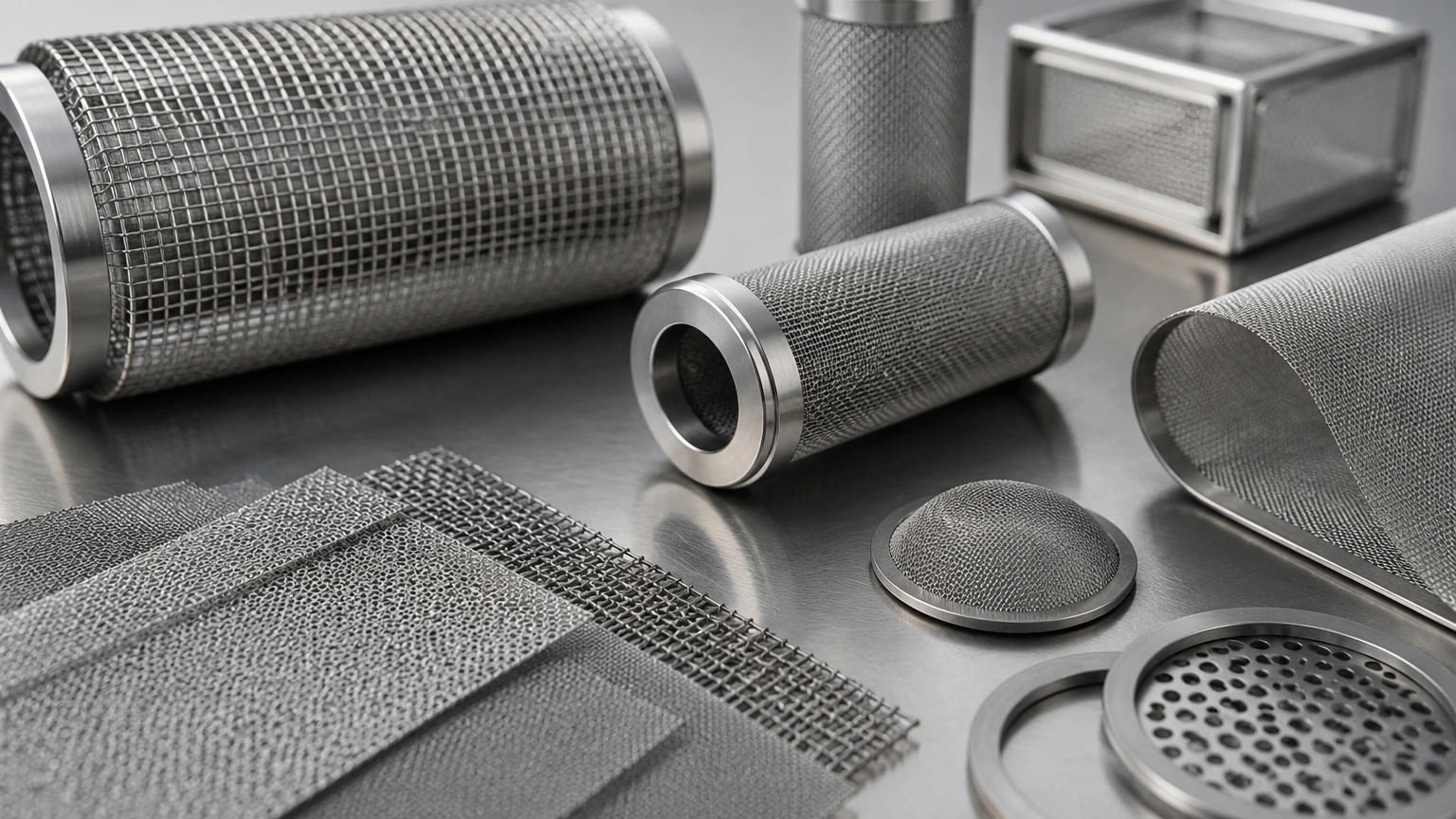
Unlike traditional porous materials, sintered stainless steel (typically Grade 316L) is manufactured by compressing metal powder and heating it below its melting point. This process creates a rigid structure with a highly controlled interconnected porosity. For industrial stone carbon applications, this material offers several advantages:
* Pore Size Uniformity: Sintering allows for precise control over the micron rating, typically ranging from 0.5 to 100 microns. For carbonation, a 0.5 to 2-micron range is standard to produce the finest possible bubbles.
* Structural Integrity: Sintered metal can withstand high differential pressures and mechanical stresses that would compromise ceramic or plastic alternatives.
* Thermal Resistance: These components can operate in high-temperature environments, making them suitable for steam sterilization and hot-fill processes.
Key Evaluation Criteria for Industrial Carbonation Stones
When selecting stone carbon components for a production line, engineers must look beyond simple dimensions. The performance of the diffusion system depends on a combination of material science and fluid dynamics.
Micron Rating and Bubble Dynamics
The micron rating of the sintered metal directly dictates the initial bubble size. In carbonation processes, smaller is generally better. A 0.5-micron stone produces bubbles so small that they are often described as a "gas cloud." This maximizes the speed at which CO2 dissolves into the liquid, reducing the time required for carbonation and minimizing gas waste. However, finer pores also increase the pressure drop across the stone, requiring a higher gas inlet pressure to overcome the "bubble point"—the minimum pressure required to force gas through the wetted pores.
Material Compatibility and Corrosion Resistance
For most industrial applications, 316L stainless steel is the benchmark due to its superior resistance to corrosion, especially in the presence of carbonic acid (formed when CO2 dissolves in water) and the caustic cleaning agents used in CIP (Clean-In-Place) cycles. In specialized chemical applications, other alloys like Hastelloy or Monel may be considered, though stainless steel remains the most cost-effective and versatile choice for the majority of B2B filtration and diffusion needs.
Connection Types and Integration
Industrial stone carbon units must integrate seamlessly into existing piping or vessel architectures. Common connection types include:
* NPT/BSP Threaded: Used for direct insertion into pipe tees or manifolds.
* Tri-Clamp (Sanitary): The standard for the food, beverage, and pharmaceutical industries, allowing for easy removal and cleaning without the risk of thread-borne contamination.
* Flanged Connections: Used in large-scale water treatment or chemical reactors where high flow rates and structural robustness are paramount.
Applications Across Industrial Sectors
The utility of stone carbon technology extends across various high-stakes industries, each with specific performance requirements.
Food and Beverage Carbonation
In the brewing and soft drink industries, stone carbon is the heart of the carbonation process. Precise CO2 injection is necessary to achieve the desired "mouthfeel" and shelf stability. Beyond CO2, these stones are used for "wort aeration" in brewing, where oxygen is injected into the liquid to support yeast health before fermentation. The ability to provide consistent gas flow is vital for maintaining brand flavor profiles across different batches.
Water and Wastewater Treatment
In water treatment, diffusion stones are frequently used for ozonation. Ozone (O3) is a powerful oxidant used for disinfection and the removal of organic contaminants. Because ozone is highly reactive and relatively expensive to generate, using a high-precision sintered stone ensures maximum absorption efficiency, reducing the required dosage and protecting downstream equipment from off-gassing.
Chemical and Pharmaceutical Processing
Many chemical reactions require the continuous introduction of a gas phase into a liquid catalyst or reactant. Stone carbon assemblies provide the uniform distribution necessary to prevent "channeling"—where gas follows the path of least resistance, leading to inefficient reactions and potential safety hazards. In pharmaceutical fermentation, oxygen diffusion stones are used to maintain dissolved oxygen (DO) levels in bioreactors, supporting the growth of sensitive microorganisms.
Common Risks and Performance Challenges
While sintered metal stone carbon components are exceptionally durable, they are not immune to operational failures. Understanding these risks is essential for technical teams responsible for system uptime.
Pore Clogging and Fouling
The most common issue with fine-pore diffusion stones is clogging. This can occur from the liquid side (bio-fouling, mineral scaling, or particulate accumulation) or the gas side (oil or particulate contamination from an inadequately filtered compressor). Once the pores are blocked, the differential pressure required to maintain gas flow increases, eventually leading to a complete cessation of diffusion or structural failure of the stone.
Pressure Differential and "Blow-By"
If the gas pressure is significantly higher than the liquid pressure without adequate control, it can lead to "blow-by," where gas exits the stone in large, turbulent bursts rather than fine bubbles. This not only reduces efficiency but can also cause mechanical vibration and damage to the stone's mounting hardware. Conversely, if liquid pressure exceeds gas pressure while the gas is turned off, liquid can migrate into the pores of the stone, leading to internal fouling.
Maintenance and Cleaning Protocols
To ensure the longevity of a stone carbon installation, a rigorous maintenance schedule is required. Because the filtration media is a complex network of internal pores, surface cleaning is rarely sufficient.
1. CIP (Clean-In-Place): For sanitary applications, the stone should be included in the regular CIP loop. However, the stone should always have a small amount of gas pressure applied during the liquid cleaning phase to prevent cleaning chemicals and debris from being forced deep into the pores.
2. Ultrasonic Cleaning: This is the most effective method for restoring a fouled stone. High-frequency sound waves create cavitation bubbles that dislodge particulates from deep within the sintered structure.
3. Chemical Soaking: Depending on the nature of the clog (organic vs. inorganic), stones can be soaked in caustic or acidic solutions. It is critical to verify that the chemical concentration and temperature are compatible with 316L stainless steel to avoid pitting or stress corrosion cracking.
4. Integrity Testing: Periodic bubble point testing can confirm if the stone’s micron rating has been compromised by erosion or improper cleaning.
Procurement Checklist for Engineers
Before finalizing a purchase for stone carbon components, engineering teams should confirm the following technical specifications to ensure the solution aligns with their operational goals:
* Gas Type and Flow Rate: Define the required Standard Cubic Feet per Minute (SCFM) or Liters per Minute (LPM) of gas.
* Liquid Characteristics: Consider viscosity, temperature, and the presence of suspended solids.
* Vessel/Pipe Geometry: The length of the stone should be optimized to provide maximum contact time within the liquid column.
* Desired Carbonation Level: Expressed in volumes of CO2 or mg/L of dissolved gas.
* Certification Requirements: Does the application require FDA, 3A, or ASME certification?
For organizations looking to integrate high-performance filtration and diffusion components into their systems, Kaifil offers a range of customized solutions. You can Review product options and application support on our Main Page to find the specific configurations that meet your industrial requirements. Whether you are scaling up a beverage production line or optimizing a chemical reactor, selecting the right stone carbon technology is a foundational step in achieving process excellence.
Conclusion
Stone carbon technology, while often a small part of a larger industrial system, plays a disproportionate role in the quality and efficiency of gas-liquid processing. By prioritizing sintered stainless steel construction, precise micron ratings, and robust maintenance protocols, facilities can ensure consistent performance and long-term reliability. As industrial requirements continue to evolve toward higher efficiency and lower waste, the precision engineering of diffusion components remains a key lever for technical optimization.
