


Dust Booth
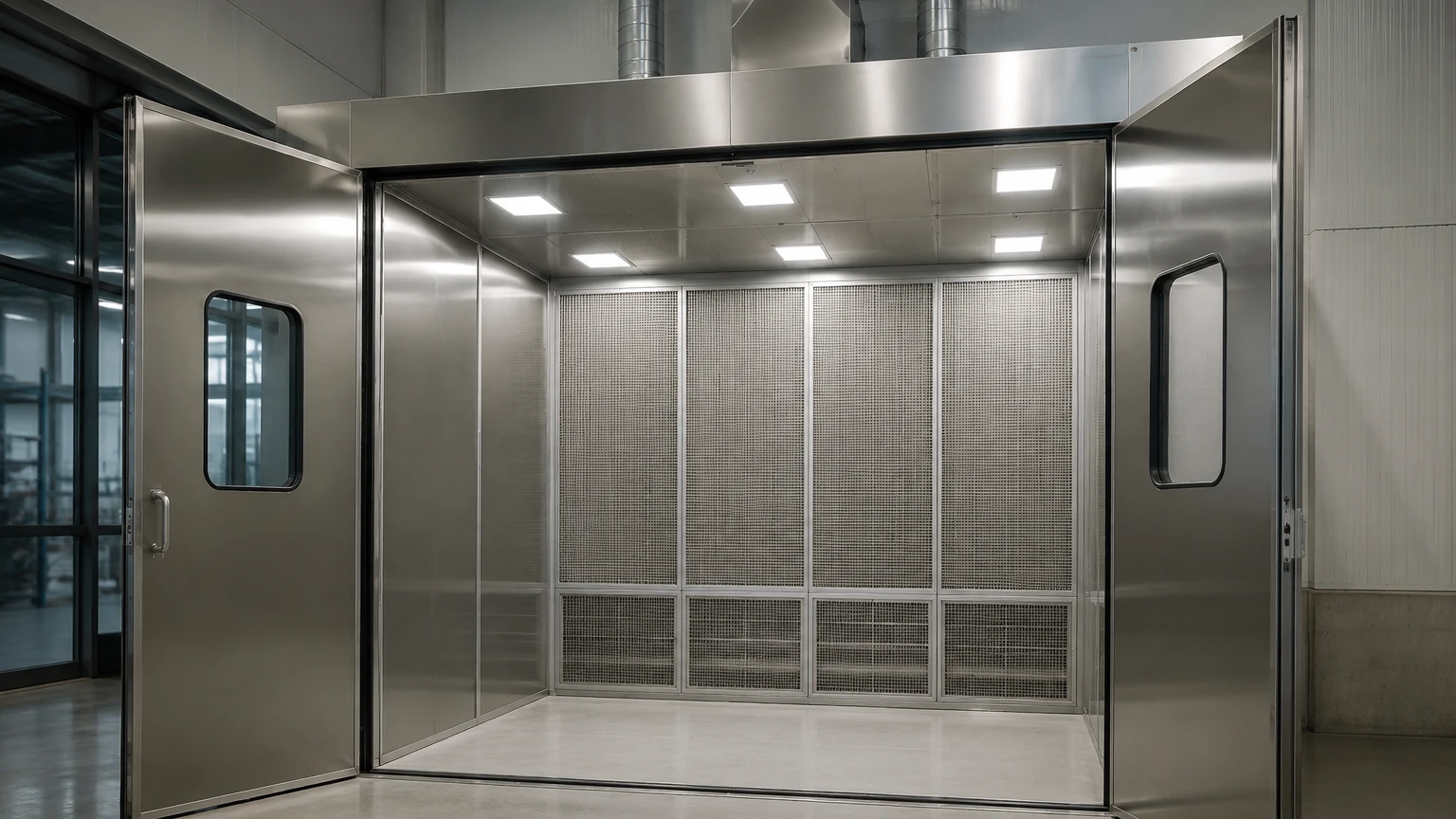
In industrial manufacturing, the control of airborne particulates is a critical requirement for maintaining operational safety, ensuring product purity, and complying with environmental regulations. A dust booth serves as a localized enclosure designed to capture and contain dust, fumes, and fine particles generated during processes such as grinding, sanding, powder mixing, and spray finishing. While the structural enclosure of a dust booth provides the physical containment, the performance of the system is fundamentally dependent on its integrated filtration technology.
For engineers and facility managers, selecting the appropriate filtration components—specifically stainless steel filter cartridges and wire mesh filters—is essential to ensuring that a dust booth operates at peak efficiency. This guide examines the technical engineering considerations, material selection criteria, and performance benchmarks necessary for optimizing dust booth filtration systems.
Engineering Principles of Dust Booth Filtration
The primary function of a dust booth is to create a controlled airflow pattern that pulls contaminated air away from the operator's breathing zone and into a filtration bank. This process relies on several key engineering principles:
Capture Velocity and Airflow Dynamics
Capture velocity is the speed of air required at the point of dust generation to overcome opposing air currents and pull the particles into the booth. For light powders, a velocity of 50 to 100 feet per minute (fpm) may suffice, whereas heavy grinding dust may require 200 fpm or more. The filtration system must be sized to handle the total Cubic Feet per Minute (CFM) required to maintain these velocities across the booth’s face area. If the filter media offers too much resistance (high pressure drop), the blower will fail to maintain the necessary capture velocity, leading to dust escape.
Air-to-Cloth Ratio
The air-to-cloth ratio (or filtration velocity) represents the volume of air passing through a square foot of filter media. In a dust booth application, maintaining a low air-to-cloth ratio is vital for extending the life of the filter and ensuring high efficiency. High-performance stainless steel mesh filters allow for precise control over this ratio, providing a stable surface for particle accumulation without premature blinding.
The Role of Stainless Steel Filtration in Dust Booths
While many standard dust booths utilize disposable fabric or paper filters, demanding industrial environments often require the durability and precision of metal filtration. Stainless steel filter components, such as those found on the Main Page of specialized manufacturers, offer distinct advantages in specific B2B applications.
Material Integrity and Durability
In processes involving abrasive dust or high temperatures, traditional polymer-based filters can degrade rapidly. Stainless steel 304 and 316L wire mesh filters provide the structural integrity needed to withstand mechanical stress and thermal fluctuations. This durability is particularly important in heavy-duty grinding or metalworking booths where sparks or hot embers may be present, posing a fire risk to flammable filter media.
Corrosion Resistance
For chemical processing or pharmaceutical applications, the dust booth may be exposed to corrosive vapors or hygroscopic powders that can react with moisture. Stainless steel filtration components resist oxidation and chemical attack, ensuring that the filter does not contribute contaminants to the process and remains structurally sound over long service cycles.
Key Evaluation Criteria for Filter Selection
When specifying filters for a dust booth, engineers must evaluate several technical parameters to ensure the system meets the application's specific needs.
Filtration Accuracy (Micron Rating)
The micron rating determines the size of the particles the filter can effectively capture. In industrial dust collection, this often involves a balance between "nominal" and "absolute" ratings. For fine chemical powders, an absolute-rated stainless steel cartridge may be required to prevent sub-micron particles from bypassing the system. Conversely, for coarse woodworking dust, a larger mesh size may be more efficient to prevent rapid clogging.
Pressure Drop (Differential Pressure)
Pressure drop is the difference in total pressure between the upstream and downstream sides of the filter media. A high initial pressure drop indicates that the filter is too restrictive for the fan's capacity. Stainless steel wire mesh is engineered to provide high porosity, which minimizes energy consumption by allowing air to pass through with lower resistance while still maintaining high particle retention rates.
Cleaning and Regenerability
One of the most significant advantages of stainless steel filtration in a dust booth is the ability to clean and reuse the media. Unlike disposable filters, metal cartridges can be cleaned via ultrasonic baths, back-pulsing, or chemical cleaning. This regenerability significantly reduces the total cost of ownership by eliminating the need for frequent filter replacements and reducing hazardous waste disposal volumes.
Common Risks in Dust Booth Operations
Failure to properly specify or maintain the filtration system in a dust booth can lead to several operational risks:
1. Filter Blinding: This occurs when dust particles become deeply embedded in the filter media, making it impossible to clean. Selecting a filter with the wrong pore structure or surface treatment for the specific dust type (e.g., oily vs. dry) often causes this issue.
2. Bypass Leakage: If the filter elements are not seated correctly or if the gaskets fail, contaminated air will bypass the filters entirely. This can damage the system’s blower and lead to environmental non-compliance.
3. Structural Collapse: In high-vacuum systems, inferior filter cartridges may collapse under the pressure if they lack sufficient internal support cores. Industrial-grade stainless steel filters are typically designed with reinforced inner cages to prevent this failure mode.
Customization and OEM Considerations
Many industrial dust booths are not "off-the-shelf" solutions but are customized to fit specific floor plans or process flows. This customization extends to the filtration bank. OEM manufacturers often require bespoke filter dimensions, mounting configurations (such as flange-mount or tie-rod styles), and specific mesh weaves to handle unique particulate characteristics.
When working with a manufacturer like Kaifil, engineers can specify custom wire mesh laminates or pleated stainless steel designs. Pleating the metal mesh increases the available surface area within the same footprint, allowing for higher CFM capacities without increasing the size of the dust booth enclosure.
Industry-Specific Requirements
The requirements for a dust booth vary significantly across different sectors:
* Pharmaceutical and Food & Beverage: These industries require "hygienic" filtration. Stainless steel is the material of choice because it can be sterilized and does not shed fibers into the product stream. Filters must often comply with FDA or equivalent regulatory standards for food contact.
* Chemical Processing: Here, the focus is on chemical compatibility. The use of 316L stainless steel ensures that the filter can handle aggressive solvents or acidic dust without losing its filtration efficiency.
* Metalworking and Aerospace: In these sectors, the primary concern is the handling of fine, often combustible, metal dust. The filtration system must be integrated with explosion venting and grounding measures, and the filters themselves must be robust enough to handle high-velocity abrasive particles.
Maintenance and Operational Efficiency
To maintain the effectiveness of a dust booth, a rigorous maintenance schedule is required. This includes monitoring the differential pressure gauges; a sudden drop in pressure may indicate a torn filter, while a steady increase beyond the design limit indicates it is time for a cleaning cycle.
Because stainless steel filters are a long-term investment, the initial procurement cost is higher than disposable options. However, when calculating the total cost of ownership—including reduced downtime, lower disposal costs, and consistent airflow performance—metal filtration often proves to be the more cost-effective solution for industrial B2B operations.
Conclusion
A dust booth is only as effective as the filters it houses. For engineers tasked with designing or maintaining these systems, understanding the technical nuances of stainless steel wire mesh and filter cartridges is essential. By focusing on material durability, precise micron ratings, and the benefits of regenerable media, facilities can achieve superior air quality and operational reliability.
For more information on customized stainless steel filtration components and technical specifications for industrial applications, visit the Main Page to explore professional filtration solutions tailored to demanding environments.
