


Fuel Gas Filter Coalescer
In industrial power generation, petrochemical processing, and midstream gas distribution, the purity of fuel gas is a critical factor in equipment longevity and operational efficiency. A fuel gas filter coalescer serves as the primary line of defense against both solid particulates and liquid contaminants that can compromise the integrity of high-value assets such as gas turbines, reciprocating engines, and centrifugal compressors. Unlike standard particulate filters, a coalescer is engineered to address the complex challenge of removing sub-micron liquid aerosols and fine mists that are often entrained in high-velocity gas streams.
For engineers and procurement teams, understanding the technical nuances of a fuel gas filter coalescer is essential for ensuring system reliability. This guide explores the mechanical principles, material considerations, and selection criteria necessary to optimize filtration performance in demanding industrial environments.
The Mechanical Principles of Coalescence
A fuel gas filter coalescer operates on a dual-stage principle designed to handle two distinct types of contaminants: solid debris (such as pipe scale, rust, and sand) and liquid droplets (including water, liquid hydrocarbons, and lubricating oils). The process of coalescence involves the merging of small, dispersed droplets into larger, heavier drops that can be easily separated from the gas flow by gravity.
1. Particulate Pre-filtration
Before the gas reaches the coalescing stage, it typically passes through a pre-filtration layer. This stage removes solid contaminants that could otherwise clog the fine pores of the coalescing media. By protecting the coalescing layer from surface loading, the pre-filter extends the service life of the element and maintains a lower differential pressure across the system.
2. The Coalescing Process
As the gas moves through the depth-loading media of the coalescer, sub-micron liquid particles are subjected to three primary mechanisms:
* Direct Impaction: Larger particles collide with the fibers of the filter media and adhere to them.
* Interception: Mid-sized particles follow the gas streamlines but come close enough to the fibers to be captured.
* Brownian Diffusion: The smallest sub-micron particles, moved by molecular collisions, zigzag through the media until they contact a fiber.
Once captured, these tiny droplets travel along the fibers and merge at the intersections. As they grow in mass, they migrate toward the outer surface of the filter element (in outside-to-inside flow configurations) or the inner surface (in inside-to-outside configurations). Eventually, the droplets become heavy enough to overcome the drag of the gas stream and fall into a collection sump at the bottom of the filter vessel.
Engineering Considerations for Material Selection
The effectiveness of a fuel gas filter coalescer is heavily dependent on the materials used in its construction. In industrial applications where gases may be corrosive or subjected to extreme pressures and temperatures, stainless steel is often the preferred material for both the filter housing and the internal components.
Stainless Steel Wire Mesh and Cartridges
Stainless steel wire mesh offers several advantages for fuel gas filtration. It provides exceptional mechanical strength, ensuring that the filter media does not collapse or bypass under high differential pressure. Furthermore, stainless steel (typically grades 304 or 316L) is resistant to the corrosive effects of sour gas (containing H2S) and other aggressive chemical components found in industrial fuel streams.
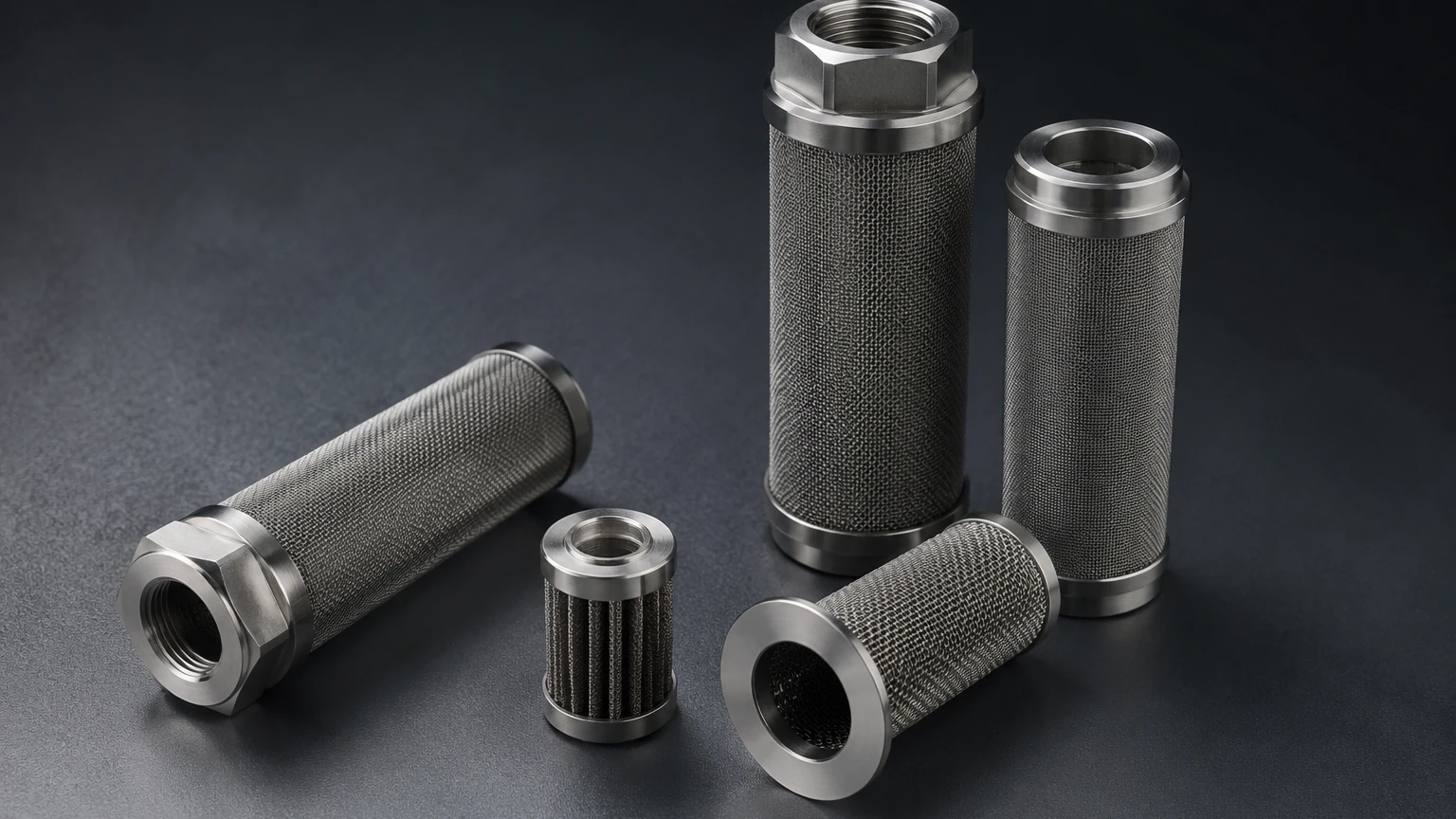
Customized stainless steel filter cartridges allow for precise control over the pore size and distribution. By utilizing multi-layered sintered wire mesh or pleated metal fiber felt, manufacturers can achieve high filtration accuracy while maintaining a high dirt-holding capacity. This is particularly important for fuel gas filter coalescers used in remote locations where frequent maintenance is logistically challenging.
Media Compatibility
The coalescing media itself must be compatible with the specific liquids being removed. While fiberglass and synthetic polymers are common, metallic media are utilized in high-temperature or high-pressure scenarios where traditional materials might degrade. For more information on material specifications and custom engineering options, professionals can visit the Main Page of the Kaifil website to review technical capabilities.
Key Evaluation Criteria for Industrial Applications
When specifying a fuel gas filter coalescer, engineers must look beyond simple micron ratings. Several technical parameters dictate how the filter will perform under actual field conditions.
1. Filtration Efficiency and Beta Ratio
Efficiency should be measured in terms of both particulate removal and liquid carryover. A high-quality coalescer should be capable of reducing liquid content to less than 0.01 ppm (parts per million) by weight. The Beta Ratio ($β$) provides a quantitative measure of particulate capture efficiency at a specific micron size, allowing engineers to predict how much debris will pass through the system.
2. Differential Pressure (ΔP)
Differential pressure is the difference in pressure between the inlet and the outlet of the filter. A well-designed fuel gas filter coalescer should operate with a low initial (clean) pressure drop to minimize energy consumption. Monitoring the increase in ΔP over time is the primary method for determining when a filter element has reached the end of its functional life.
3. Liquid Loading Capacity
In systems where the gas stream contains significant amounts of liquid (slugging), the coalescer must have an adequate drainage rate. If the rate of liquid arrival exceeds the rate of drainage, the filter media can become "flooded," leading to liquid re-entrainment where droplets are pushed back into the clean gas stream.
Common Risks and Performance Challenges
Failure to properly maintain or select a fuel gas filter coalescer can lead to catastrophic equipment failure. Understanding these risks helps in developing a robust filtration strategy.
* Liquid Re-entrainment: This occurs when the gas velocity through the filter media is too high. The high-speed gas strips the coalesced droplets from the surface of the filter and carries them downstream. Proper sizing of the filter vessel is critical to keep the "face velocity" within acceptable limits.
* Chemical Attack: In applications involving treated gases or specialized additives, certain filter binders or seals can swell or dissolve. This leads to "channeling," where gas bypasses the filtration media entirely.
* Surfactants: Surfactants are chemical compounds that lower the surface tension of liquids. If present in the fuel gas, they can prevent droplets from coalescing effectively, essentially "poisoning" the filter media and allowing aerosols to pass through.
Customization and OEM Solutions
Standard off-the-shelf filters often fail to meet the specific demands of specialized industrial processes. Customization is frequently required to address unique flow rates, footprint constraints, or extreme environmental conditions.
OEM manufacturers like Kaifil specialize in developing bespoke filtration components that integrate seamlessly into existing fuel gas skids. By adjusting the weave pattern of the stainless steel mesh, the pleat density of the cartridge, or the structural reinforcement of the core, engineers can tailor the fuel gas filter coalescer to specific performance targets. This level of customization ensures that the filtration system provides maximum protection for downstream turbines and engines without introducing unnecessary pressure drops.
Maintenance and Replacement Cycles
The total cost of ownership (TCO) of a filtration system is determined more by maintenance and downtime than by the initial purchase price. For fuel gas filter coalescers, a proactive maintenance schedule is vital.
1. Scheduled Monitoring: Differential pressure gauges should be checked daily. A sudden drop in pressure may indicate a ruptured element or a seal failure, while a rapid rise indicates heavy contamination or slugging.
2. Drainage Management: Automated drain valves should be tested regularly to ensure that the collection sump is being cleared. If liquid accumulates in the sump, it can be sucked back into the gas stream.
3. Element Replacement: Filter elements should be replaced when they reach the manufacturer's recommended terminal differential pressure (often between 10 and 15 psid). Using high-quality stainless steel components can sometimes allow for cleaning and reuse in specific applications, though coalescing media is typically replaced to ensure 100% efficiency.
Conclusion
A fuel gas filter coalescer is more than just a consumable component; it is a critical piece of engineering that protects the heart of industrial operations. By removing harmful aerosols and particulates, these systems prevent nozzle fouling, blade erosion, and combustion instability in gas-fired equipment.
Selecting the right solution requires a deep understanding of gas dynamics, material science, and the specific contaminants present in the fuel stream. For engineers seeking reliable, high-performance filtration components, focusing on durable materials like stainless steel and working with experienced manufacturers ensures that the filtration system will perform as expected under the most rigorous conditions. To explore specific product options and receive application-specific engineering support, visit the Main Page of Kaifil’s technical resource center.
