


Sparged
In the realm of industrial process engineering, the term "sparged" refers to the technique of introducing a gas into a liquid through a controlled diffusion process. This method is fundamental to achieving efficient gas-liquid contact, which is essential for mass transfer, chemical reactions, and physical agitation. For engineers and procurement professionals, selecting the correct sparging equipment—often utilizing porous stainless steel or precision wire mesh—is a critical decision that impacts the efficiency, safety, and longevity of the entire production line.
As a specialized manufacturer of custom stainless steel filtration solutions, Kaifil provides the technical expertise and high-performance components required to optimize these processes. Understanding the engineering principles behind sparged systems allows technical teams to move beyond generic components toward customized solutions that meet specific industrial demands.
Fundamentals of Industrial Sparging Systems
The primary objective of any sparged system is to maximize the surface area of the gas being introduced into the liquid. This is governed by the principles of mass transfer, where the rate of gas absorption or reaction is directly proportional to the interfacial area between the two phases.
In conventional systems, gas might be introduced via a simple pipe or a drilled hole. However, these methods often result in large bubbles that rise quickly to the surface, offering minimal contact time and low efficiency. In contrast, industrial spargers utilizing porous metal media or fine wire mesh create a multitude of tiny bubbles. These smaller bubbles have a significantly higher surface-area-to-volume ratio and a slower rise velocity, ensuring that the gas remains in the liquid phase longer, thereby increasing the efficiency of the process.
When evaluating a sparged application, engineers must consider the gas flow rate, the viscosity of the liquid, the operating pressure, and the required saturation levels. These variables dictate the design of the sparging element, including its geometry, pore size, and material composition.
Material Selection for Sparged Applications
Material integrity is paramount in industrial sparging, particularly in sectors like chemical processing and pharmaceuticals where corrosive environments and high temperatures are common. Stainless steel, specifically grades 304 and 316L, is the industry standard for sparged components due to its exceptional mechanical properties and chemical resistance.
Corrosion Resistance and Durability
316L stainless steel is frequently specified for sparged elements because of its molybdenum content, which provides superior resistance to pitting and crevice corrosion in chloride-rich environments. For B2B applications where downtime is costly, the durability of stainless steel ensures that the sparging elements can withstand high-pressure differentials and mechanical stresses without deforming or failing.
Thermal Stability
Many sparged processes occur at elevated temperatures, such as in steam injection or high-temperature chemical synthesis. Stainless steel maintains its structural integrity at temperatures that would cause polymer-based diffusers to degrade or lose their pore structure. This thermal stability is crucial for maintaining consistent bubble size and flow rates over long operational cycles.
Cleanability and Hygiene
In the food, beverage, and pharmaceutical industries, sparged components must be compatible with Clean-in-Place (CIP) and Sterilize-in-Place (SIP) protocols. Stainless steel’s non-porous (at the macro level) and smooth surface finish allows for effective sterilization, preventing bacterial growth and cross-contamination between batches.
Engineering Design: Pore Size and Bubble Dynamics
The performance of a sparged system is largely determined by the pore size of the filtration media used. In the context of sparging, the "filtration accuracy" of a stainless steel cartridge or mesh translates directly to the initial bubble size produced.
The Role of Micron Ratings
Engineers must carefully select the micron rating of the sparging element. A smaller pore size (e.g., 0.5 to 10 microns) produces finer bubbles, which is ideal for applications requiring high gas absorption, such as oxygenation in bioreactors. Conversely, larger pore sizes (e.g., 40 to 100 microns) may be used for simple agitation or when the gas flow rate is exceptionally high, and backpressure must be minimized.
Pressure Drop Considerations
Every sparged element introduces a degree of resistance to the gas flow, known as pressure drop. An optimized design balances the need for small bubbles with the energy costs associated with overcoming high pressure drop. Factors such as the thickness of the porous media and the total surface area of the sparger play a role in this calculation. By utilizing custom-designed stainless steel filter cartridges, facilities can achieve the precise balance required for their specific pump and compressor capacities.
Common Industrial Applications for Sparged Elements
Sparged technology is ubiquitous across various sectors, each with unique requirements for gas-liquid interaction.
Chemical Processing and Hydrogenation
In chemical manufacturing, sparging is used to introduce reactants like hydrogen or chlorine into liquid substrates. Efficient sparging ensures that the reaction occurs uniformly throughout the vessel, reducing the time required for the batch and improving the yield. High-performance stainless steel spargers are essential here to resist the aggressive chemicals involved.
Food and Beverage Carbonation
The carbonation of soft drinks, beer, and sparkling water relies on sparged CO2. Precision is required to ensure that the gas is fully dissolved and that the carbonation levels are consistent across production runs. Stainless steel wire mesh filters and cartridges are preferred for their food-grade compliance and ability to produce the fine bubbles necessary for rapid dissolution.
Pharmaceutical Bioreactors
In biotechnology and pharmaceutical fermentation, microorganisms require a constant supply of dissolved oxygen. Sparged air or pure oxygen is introduced into the bioreactor to sustain growth. Because these environments are highly sensitive, the sparging elements must be manufactured to exacting standards to ensure they do not introduce impurities and can be thoroughly sterilized.
Wastewater Treatment and Aeration
Large-scale water treatment facilities use sparged air to facilitate the aerobic digestion of organic matter. While these systems are often large, the efficiency of the individual sparging elements determines the overall energy consumption of the aeration blowers. Durable metal spargers offer a longer service life in these demanding outdoor and submerged environments compared to rubber or plastic alternatives.
Maintenance and Longevity of Metal Spargers
To maintain the efficiency of a sparged system, a proactive maintenance schedule is necessary. Over time, sparging elements can become fouled by mineral deposits, biological growth, or particulate matter from the gas or liquid phases.
Cleaning Protocols
One of the primary advantages of stainless steel spargers is their ability to be cleaned and reused. Depending on the nature of the fouling, cleaning methods may include:
* Ultrasonic Cleaning: Using high-frequency sound waves in a cleaning solution to dislodge particles from deep within the pore structure.
* Chemical Cleaning: Utilizing acids or alkalis to dissolve mineral scales or organic deposits.
* Backpulsing: Reversing the flow of gas or liquid to blow out trapped particulates.
Monitoring Performance
Technical teams should monitor the pressure drop across the sparging element. A gradual increase in pressure at a constant flow rate typically indicates fouling. By establishing a baseline and setting threshold limits, maintenance can be performed before the system's efficiency drops significantly or the gas delivery system is compromised.
Selecting the Right Partner for Custom Sparging Solutions
When sourcing components for sparged applications, working with a manufacturer that understands both filtration and gas diffusion is vital. A generic filter might not have the structural reinforcements necessary for the high-velocity gas flows found in sparging, or the pore distribution might be too inconsistent for precision applications.
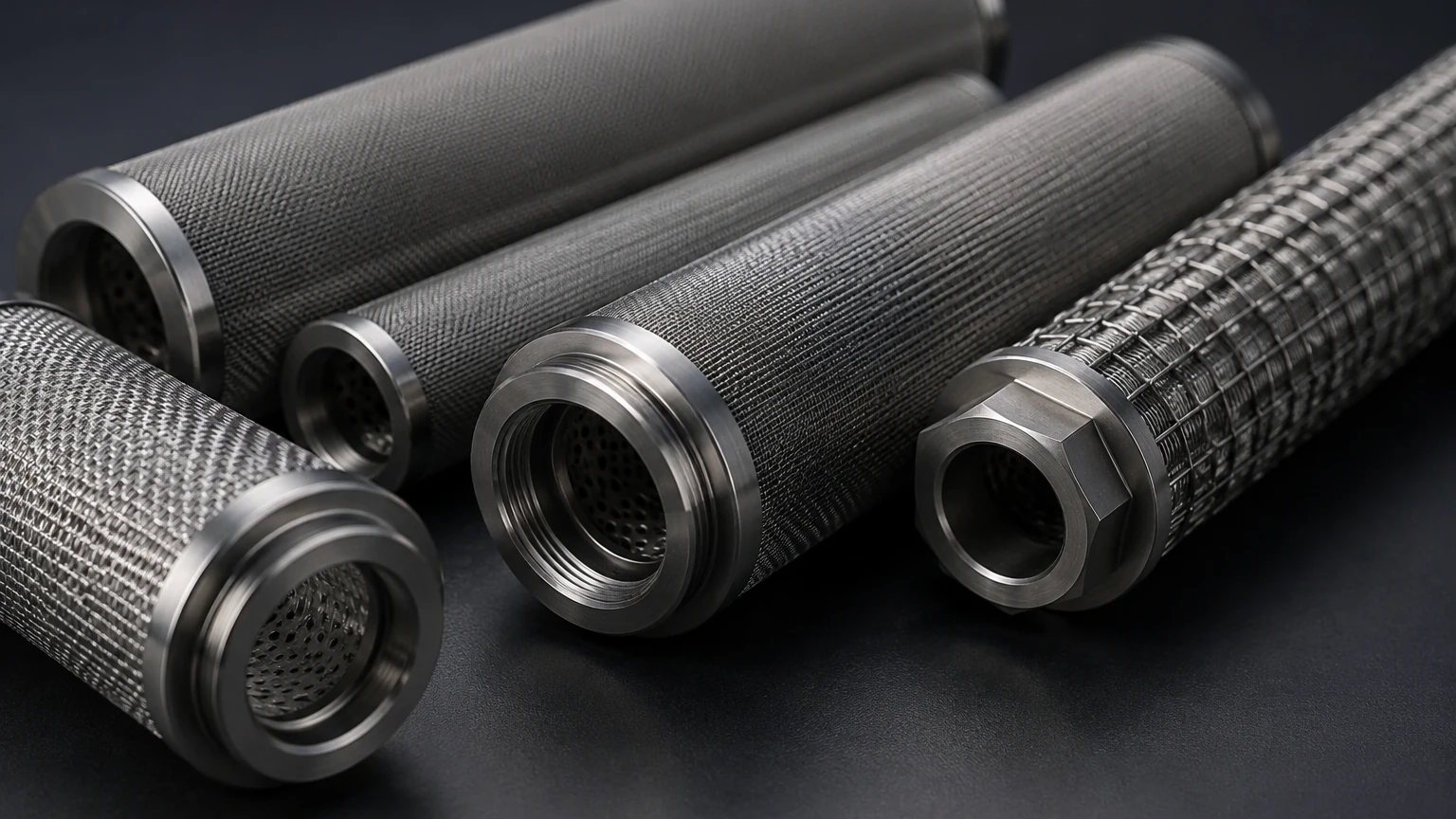
Kaifil specializes in creating tailored solutions that address these specific engineering challenges. By focusing on custom stainless steel filtration, we ensure that every sparged element—whether it is a wire mesh assembly or a sintered cartridge—is optimized for the customer's specific flow rates, pressures, and chemical environments. For more detailed technical specifications and to explore our range of custom filtration components, you can visit our Main Page.
Conclusion: Optimizing Total Cost of Ownership
While the initial cost of a precision-engineered stainless steel sparger may be higher than simpler alternatives, the total cost of ownership is often significantly lower. The combination of higher mass transfer efficiency, reduced gas waste, longer service life, and the ability to clean and reuse the components makes stainless steel the most cost-effective choice for industrial sparged applications.
Engineers and purchasing managers should prioritize manufacturers who can provide documented material certifications and technical support during the design phase. By ensuring that the sparging element is perfectly matched to the application, industrial facilities can achieve higher productivity, better product quality, and more reliable operations. For those seeking to upgrade their current systems or design new gas-liquid contact processes, reviewing the available product options and application support on the Kaifil Main Page is a recommended next step in the procurement process.
