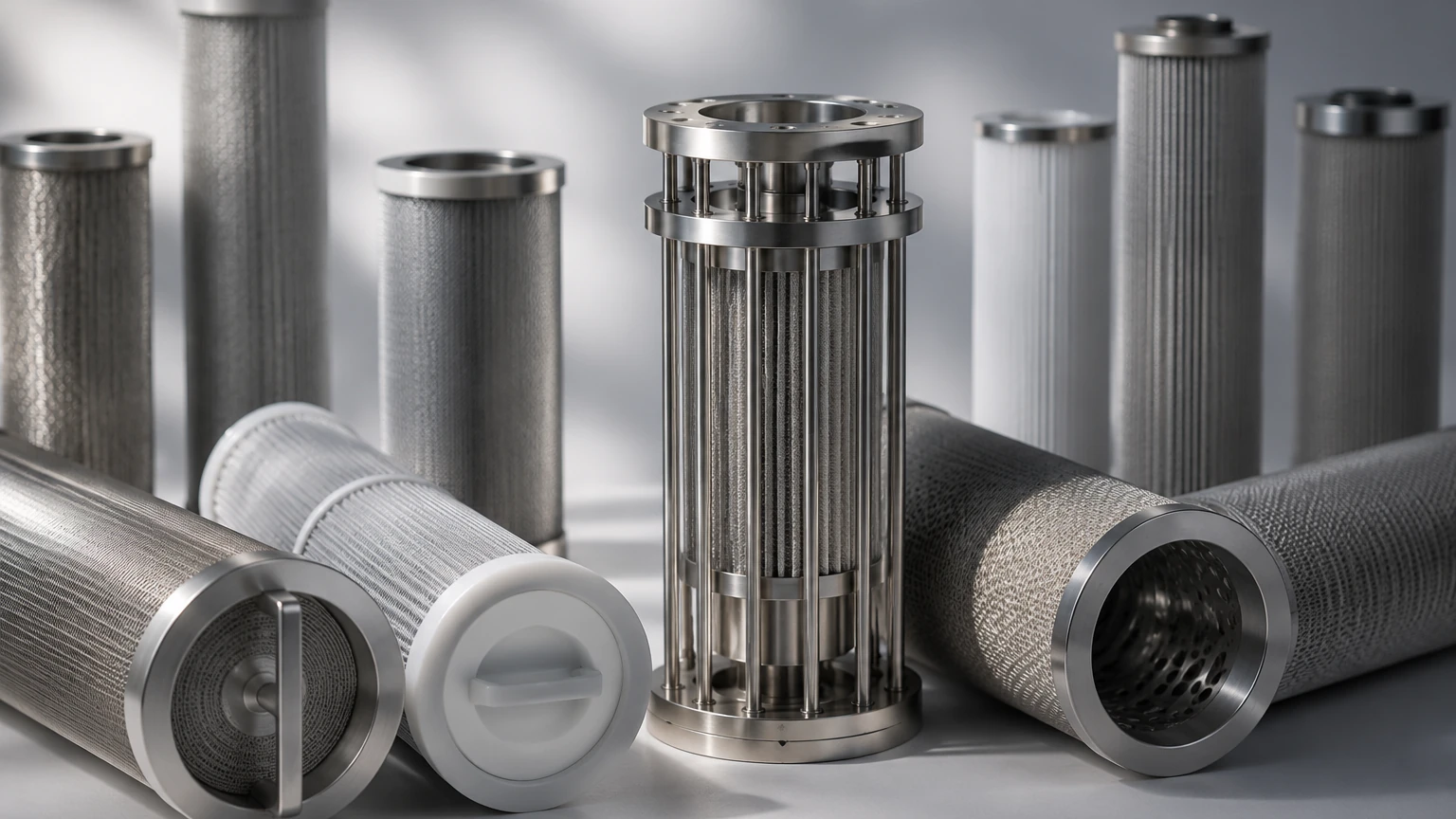
Pulse Jet Dust Collector
In industrial environments where air quality, particulate recovery, and environmental compliance are critical, the pulse jet dust collector stands as the most prevalent technology for continuous-duty filtration. Unlike older mechanical-shake or reverse-air systems, pulse jet technology allows for the cleaning of filter media without interrupting the airflow, making it indispensable for high-volume manufacturing, chemical processing, and metal fabrication. For engineers and procurement professionals, understanding the technical nuances of these systems—specifically the interaction between the cleaning mechanism and the filter media—is essential for optimizing system longevity and filtration efficiency.
The Mechanics of Pulse Jet Cleaning Systems
The fundamental advantage of a pulse jet dust collector is its ability to maintain a relatively constant pressure drop by cleaning the filter elements "on-line." The process begins when dust-laden air enters the collector housing. Larger particles drop out of the airstream due to a loss of velocity or through the use of a baffle, while finer particulates are trapped on the exterior surface of the filter bags or cartridges.
As the dust layer, or "dust cake," builds up on the filter media, the differential pressure across the system increases. Once a predetermined set point is reached, a pulse-cleaning cycle is initiated. A high-pressure burst of compressed air (typically 60 to 100 PSI) is released from a header pipe through a solenoid valve. This air is directed down into the filter element, often through a Venturi nozzle which induces additional surrounding air into the pulse, increasing the volume of the cleaning blast.
This rapid expansion causes the filter media to flex outward, shattering the dust cake and allowing it to fall into the collection hopper below. Because the pulse lasts only a fraction of a second (usually 100 to 200 milliseconds), only a small portion of the total filter area is cleaned at any given time, allowing the rest of the system to continue filtering the process air without interruption.
Selecting Filter Media for High-Performance Dust Collection
The performance of a pulse jet dust collector is heavily dependent on the choice of filter media. While synthetic fabrics like polyester, aramid (Nomex), and PTFE are common, demanding industrial applications often require more robust materials. This is where precision-engineered metal filtration becomes vital.
In environments involving high temperatures, abrasive particles, or chemically aggressive gases, standard fabric bags may fail prematurely. Stainless steel wire mesh and sintered metal fiber media offer distinct advantages in these scenarios:
1. Thermal Stability: Stainless steel can operate at temperatures far exceeding the limits of synthetic polymers, which often degrade or melt above 250°C.
2. Chemical Resistance: For chemical processing or pharmaceutical applications where the dust may be acidic or caustic, stainless steel provides the necessary corrosion resistance to prevent structural failure of the filter element.
3. Mechanical Strength: Pulse jet cleaning involves repeated mechanical stress. Metal filter elements can withstand thousands of pulse cycles without the stretching or tearing risks associated with fabric bags.
For those evaluating specialized filtration components for these demanding systems, reviewing the Main Page of a dedicated manufacturer like Kaifil can provide insights into how custom stainless steel solutions are integrated into industrial dust collection frameworks.
Engineering Parameters: Air-to-Cloth Ratio and Pressure Drop
When specifying a pulse jet dust collector, the Air-to-Cloth (A/C) ratio—also known as the filtration velocity—is the most critical engineering metric. It represents the volume of air passing through one square foot of filter media per minute (expressed in CFM/ft² or m/min).
A low A/C ratio generally leads to higher filtration efficiency and longer filter life but requires a larger, more expensive collector housing. Conversely, a high A/C ratio reduces the initial capital expenditure but can lead to "blinding" of the filter media, where particles are driven so deep into the pores that the pulse jet cannot remove them. This results in a permanently high differential pressure, increased energy consumption for the fan, and more frequent filter replacements.
Engineers must also consider the interstitial velocity, which is the speed of the air moving between the filter elements. If this velocity is too high, the dust released during the pulse cleaning cycle may be re-entrained onto the adjacent filters before it has a chance to settle into the hopper, rendered the cleaning cycle ineffective.
The Advantages of Stainless Steel Components in Corrosive Environments
While the housing of a dust collector is often made of carbon steel, the internal components—especially the filter supports (cages) and the filter media itself—are frequently upgraded to stainless steel in specialized industries. In food and beverage or pharmaceutical production, stainless steel is mandatory to meet hygiene standards and prevent product contamination from rust or degraded fibers.
In these sectors, the pulse jet dust collector acts not just as a pollution control device but as a product recovery tool. High-value powders can be captured and returned to the production line. Using precision-woven stainless steel wire mesh allows for exact control over pore size, ensuring that the recovery rate is maximized while maintaining the airflow required for the process. The durability of metal media also ensures that there is no risk of "fiber shed," which is a common concern with felted or woven synthetic bags.
Troubleshooting Common Pulse Jet Operational Issues
Even a well-designed pulse jet dust collector can encounter operational hurdles. Technical teams should be prepared to address the following common issues:
* Moisture and Oil Contamination: The compressed air used for pulsing must be clean and dry. If moisture or oil enters the pulse system, it can mix with the dust on the filter media to form a "mud" that cannot be pulsed off. This leads to rapid blinding. Installing high-quality dryers and oil coalescing filters on the compressed air line is a standard preventive measure.
* Solenoid and Diaphragm Failure: These are the primary moving parts of the cleaning system. If a diaphragm valve leaks or fails to open, a row of filters will not be cleaned, leading to a localized rise in pressure drop. Regular acoustic monitoring and pressure testing can identify these failures early.
* Improper Pulse Timing: If the duration between pulses is too short, the compressed air system may not have enough time to recover its pressure, leading to weak pulses. If the duration is too long, the dust cake becomes too thick to be effectively removed. Fine-tuning the pulse controller based on the specific dust characteristics is essential for optimal performance.
Procurement Considerations and Technical Verification
Before finalizing a purchase or a retrofit of a pulse jet dust collector system, purchasing teams and engineers should verify several key factors with their equipment partner. It is not enough to simply match the CFM requirements; the physical and chemical properties of the dust must be analyzed.
Key Confirmation Points:
1. Particle Size Distribution: Are there significant sub-micron particles that require specialized coatings or membrane-faced media?
2. Explosion Risks: If the dust is combustible (e.g., sugar, flour, aluminum powder), does the collector include explosion vents, chemical suppression systems, and grounded stainless steel filter elements to prevent static discharge?
3. Total Cost of Ownership (TCO): While stainless steel filter elements have a higher upfront cost than polyester bags, their ability to be cleaned and reused, combined with their resistance to harsh conditions, often results in a lower TCO over a five-year period.
4. Customization Requirements: Does the application require a non-standard filter geometry to fit into an existing space, or a specific alloy to withstand a unique chemical byproduct?
By focusing on these technical boundaries, industrial operators can ensure that their pulse jet dust collector provides reliable, long-term service. For organizations looking to explore high-durability filtration options, the Main Page serves as a gateway to technical specifications and customization capabilities for stainless steel filtration components.
Conclusion
The pulse jet dust collector remains a cornerstone of industrial air management due to its efficiency and continuous operation. However, the system is only as effective as its internal filtration components. By selecting the appropriate media—particularly considering the long-term benefits of stainless steel in demanding environments—and maintaining strict control over engineering parameters like the air-to-cloth ratio and pulse timing, facilities can achieve superior air quality and operational cost-efficiency. Whether for environmental compliance or high-value product recovery, a technically sound approach to pulse jet filtration is an investment in industrial reliability.