


Coalescer Separator Filter
In industrial fluid processing, the presence of water and particulate contamination in hydrocarbons, such as aviation fuel, diesel, and hydraulic oils, poses a significant risk to equipment integrity and operational efficiency. The coalescer separator filter is a critical engineering solution designed to remove these contaminants through a multi-stage mechanical process. Unlike standard particulate filters, these systems utilize the physical properties of fluids—specifically surface tension, density, and interfacial tension—to achieve high-purity separation. For engineers and procurement specialists, understanding the technical nuances of these systems is essential for optimizing filtration performance and reducing the total cost of ownership.
Understanding the Mechanics of Liquid-Liquid Separation
The operation of a coalescer separator filter relies on two distinct stages: coalescence and separation. This process is primarily used for liquid-liquid separation, typically removing water from hydrocarbons, though it is also applied in gas-liquid filtration.
The Coalescence Stage
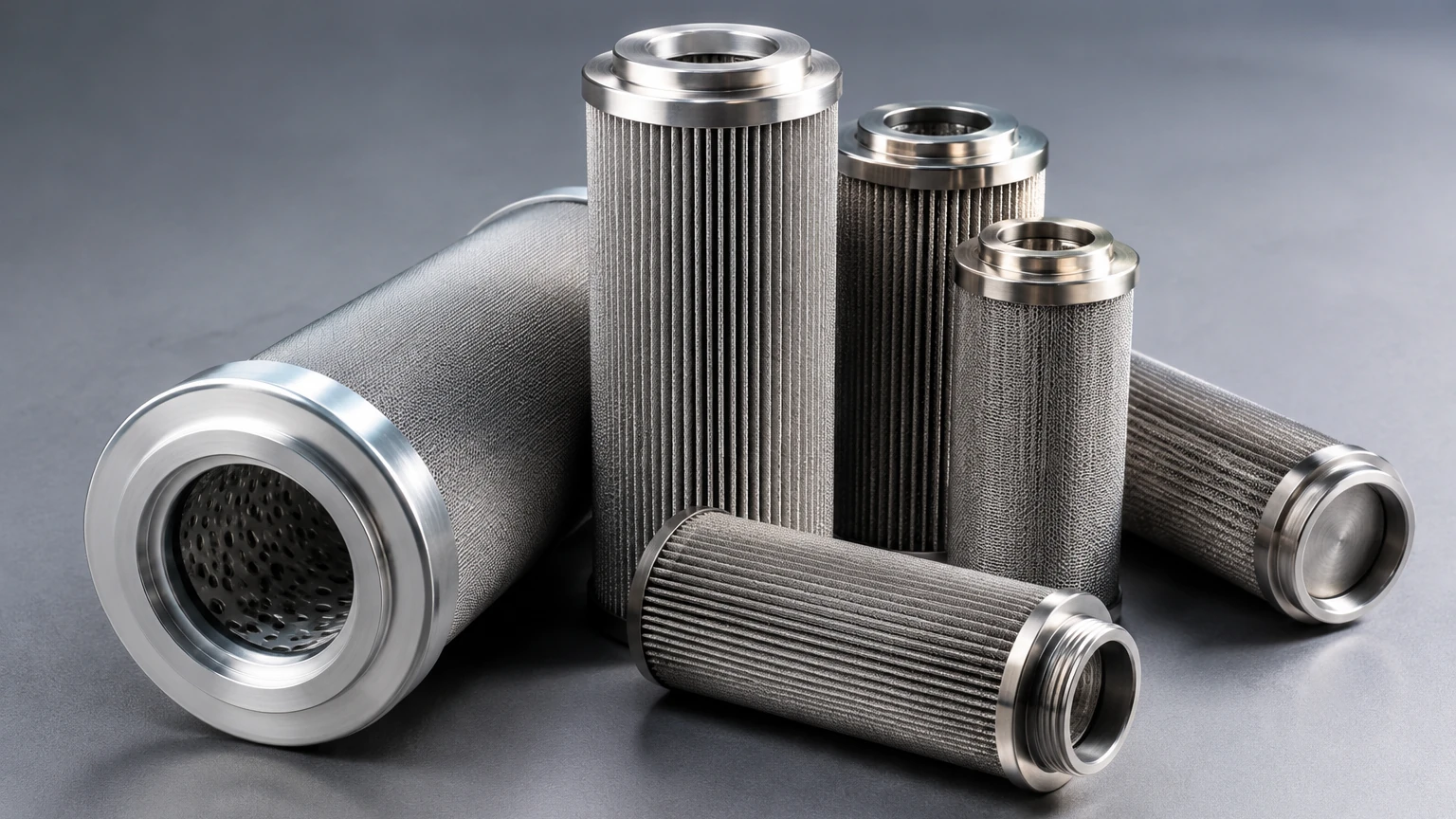
In the first stage, the fluid passes through a coalescer element. This element is constructed from polar materials, such as fiberglass or specialized synthetic media, often supported by a stainless steel inner core. As the emulsion (e.g., water-in-fuel) flows through the media, the microscopic water droplets are intercepted by the fibers. Due to the hydrophilic nature of the media, these droplets attach to the fibers and merge with other droplets. This process, governed by the principles of droplet growth and interceptive filtration, continues until the droplets reach a size where the fluid flow or gravity pulls them away from the fiber.
The Separation Stage
Once the droplets have coalesced into larger masses, the fluid moves to the second stage: the separator. The separator element is typically made from hydrophobic materials, such as Teflon-coated stainless steel mesh or specialized synthetic screens. Because these materials resist water, the large water droplets are blocked at the surface while the dry hydrocarbon fluid passes through. The blocked water droplets, being denser than the fuel or oil, settle into a collection sump at the bottom of the filter vessel for drainage.
Engineering Parameters: Material Selection and Compatibility
Selecting the right materials for a coalescer separator filter is a balance between filtration efficiency and structural durability. Kaifil, as a specialist in custom stainless steel filtration solutions, emphasizes the importance of material integrity in demanding industrial environments.
Stainless Steel Components
In high-pressure or corrosive environments, stainless steel (typically Grade 304 or 316L) is the preferred material for the filter housing, support tubes, and end caps. Stainless steel provides the necessary mechanical strength to withstand high differential pressures without collapsing. Furthermore, in pharmaceutical or food and beverage applications, the non-reactive nature of stainless steel ensures that the filtration process does not introduce metallic ions or contaminants into the fluid stream.
Media Selection
The choice of coalescing media depends on the fluid's interfacial tension (IFT). Fluids with high IFT (above 20 dynes/cm) are relatively easy to separate. However, when surfactants are present—common in modern diesel and jet fuels—the IFT drops, making the water droplets more stable and harder to coalesce. In such cases, high-density pleated media or multi-layered glass fiber structures are required to provide sufficient surface area for droplet interaction.
Core Components of a Coalescer Separator Filter System
A complete filtration system involves more than just the internal elements. The vessel design and auxiliary components play a vital role in the system's overall reliability.
1. Filter Vessel: Usually a pressure vessel designed to ASME or similar standards. It must accommodate the flow rate while maintaining a low internal velocity to prevent the re-entrainment of water droplets.
2. Coalescer Elements: The primary stage where water droplets grow. These are often designed with an inside-to-outside flow pattern to maximize the residence time of the droplets within the media.
3. Separator Elements: The secondary stage with an outside-to-inside flow pattern. These are often reusable if cleaned properly, particularly when constructed from stainless steel wire mesh.
4. Sump and Drain: A dedicated area for water accumulation. Automated systems often include water-level sensors and automatic drain valves to prevent the sump from overflowing back into the clean fluid outlet.
5. Differential Pressure Gauges: These monitor the pressure drop across the elements. A sudden increase in differential pressure usually indicates particulate loading, while a lack of pressure drop might indicate a ruptured element.
Performance Metrics: Efficiency, Pressure Drop, and Service Life
When evaluating a coalescer separator filter, engineers must look beyond the initial purchase price and focus on performance data.
Filtration Efficiency and Water Removal
Efficiency is typically measured in terms of the effluent water content, often expressed in parts per million (ppm). A high-performance system can reduce water content from 5,000 ppm to less than 15 ppm in a single pass. Particulate filtration is also a factor, as many coalescer elements are rated for 1-micron to 25-micron particle removal to protect the downstream separator stage.
Pressure Drop (Delta P)
The clean pressure drop is the initial resistance the filter offers to the fluid flow. As the filter captures particulates, the pressure drop increases. Engineers must specify the maximum allowable differential pressure (often around 15-22 psi for aviation applications) before element replacement is required. High-quality pleated designs increase the surface area, which lowers the initial Delta P and extends the service life.
Total Cost of Ownership (TCO)
The TCO includes the cost of replacement elements, labor for maintenance, and the potential cost of downstream equipment failure if the filter fails. Utilizing durable components, such as those found on the Main Page of Kaifil's technical resource, can reduce the frequency of replacements and improve long-term reliability.
Common Risks and Maintenance Protocols
Failure to maintain a coalescer separator filter can lead to catastrophic downstream consequences, such as turbine blade erosion, fuel pump cavitation, or microbial growth in storage tanks.
Surfactant Deactivation
One of the most common risks in fuel filtration is surfactant deactivation. Surfactants (surface-active agents) coat the coalescing fibers, making them "disarmed." When this happens, water droplets cannot attach to the fibers, and the coalescence process fails. Regular testing of the fuel's MSEP (Micro-Separometer) rating can help predict when surfactants might impair filter performance.
Particulate Pre-filtration
Coalescer elements are susceptible to plugging by solid contaminants. If the fluid contains high levels of rust, scale, or dirt, a dedicated pre-filter (particulate filter) should be installed upstream. This protects the more expensive coalescer elements and ensures they can focus on liquid-liquid separation rather than solids removal.
Cleaning and Inspection
While many coalescer elements are disposable, some separator elements made of stainless steel mesh can be cleaned and reused. However, this must be done with precision to avoid damaging the hydrophobic coating. Visual inspection for "media migration"—where fibers from the filter media break off and enter the clean stream—is also critical during routine maintenance.
Technical Verification: Pre-Purchase Checklist for Engineers
Before selecting a coalescer separator filter, technical teams should confirm the following data points with their manufacturer:
* Fluid Properties: What is the specific gravity, viscosity, and interfacial tension of the continuous phase? What is the percentage of the dispersed phase (water)?
* Flow Conditions: What are the minimum, normal, and maximum flow rates? Is the flow steady or pulsating (which can break apart coalesced droplets)?
* Operating Environment: What are the design temperature and pressure? Are there corrosive elements present that require 316L stainless steel over 304?
* Standards Compliance: Does the filter need to meet specific industry standards, such as EI 1581 for aviation fuel or ISO standards for hydraulic oil cleanliness?
* Customization Requirements: Does the application require custom micron ratings, non-standard vessel dimensions, or specific connection types (e.g., NPT, Flanged)?
By addressing these factors, engineers can ensure they implement a filtration solution that provides consistent performance and protects critical infrastructure. For more information on custom manufacturing and technical support for industrial filtration components, visit the Main Page to review product options and application support.
Conclusion
The coalescer separator filter remains a cornerstone of industrial fluid management. By leveraging the physical mechanics of coalescence and the chemical properties of hydrophobic separation, these systems provide a level of purity that standard filtration cannot match. Whether for protecting high-value aviation assets or ensuring the longevity of hydraulic systems, the selection of high-quality, precision-engineered components is the most effective way to manage fluid contamination. Working with an experienced manufacturer like Kaifil allows for the development of customized solutions tailored to the specific chemical and mechanical demands of the application, ensuring both efficiency and durability.
