


Is Plastic Porous
In the realm of industrial engineering and fluid management, the question "is plastic porous" is rarely met with a simple binary answer. For engineers, procurement specialists, and system designers, understanding the porosity of polymers is critical for determining material compatibility, filtration efficiency, and the long-term integrity of a processing system. While we often perceive plastics as solid, impermeable barriers, the reality at a molecular and structural level is far more complex.
Porosity in plastics can be categorized into two distinct types: intrinsic permeability at a molecular level and engineered porosity created through specific manufacturing processes. This distinction is vital when selecting materials for chemical processing, pharmaceutical manufacturing, or food and beverage production. This article explores the technical nuances of plastic porosity, compares it with high-performance alternatives like stainless steel, and provides actionable insights for industrial material selection.
Understanding the Molecular Structure: Is Plastic Porous Intrinsicly?
To answer the question "is plastic porous" from a scientific perspective, one must look at the polymer chain structure. Unlike metals, which have a dense crystalline lattice, plastics are composed of long molecular chains. Even in high-density polymers, there is a concept known as "free volume"—the tiny spaces between molecular chains that are not occupied by polymer molecules.
Molecular Permeability vs. Macroscopic Porosity
At a microscopic level, no plastic is truly 100% impermeable. Gases and small molecules can migrate through the free volume of a polymer via a process called diffusion. This is why, for example, a plastic soda bottle will eventually lose its carbonation; the CO2 molecules slowly migrate through the plastic walls. In industrial settings, this permeability can lead to the absorption of chemicals, cross-contamination between batches, or the degradation of the plastic itself as it absorbs solvents.
Factors Influencing Polymer Permeability
Several factors dictate how "porous" or permeable a solid plastic component might be:
1. Crystallinity: Higher crystallinity generally reduces permeability because the chains are more tightly packed.
2. Glass Transition Temperature (Tg): Below this temperature, molecular movement is restricted, typically reducing the rate of diffusion.
3. Hydrophilicity: Some plastics, like Nylon, are hygroscopic, meaning they naturally absorb water into their structure, effectively acting as a porous medium for moisture.
Engineered Porous Plastics in Industrial Applications
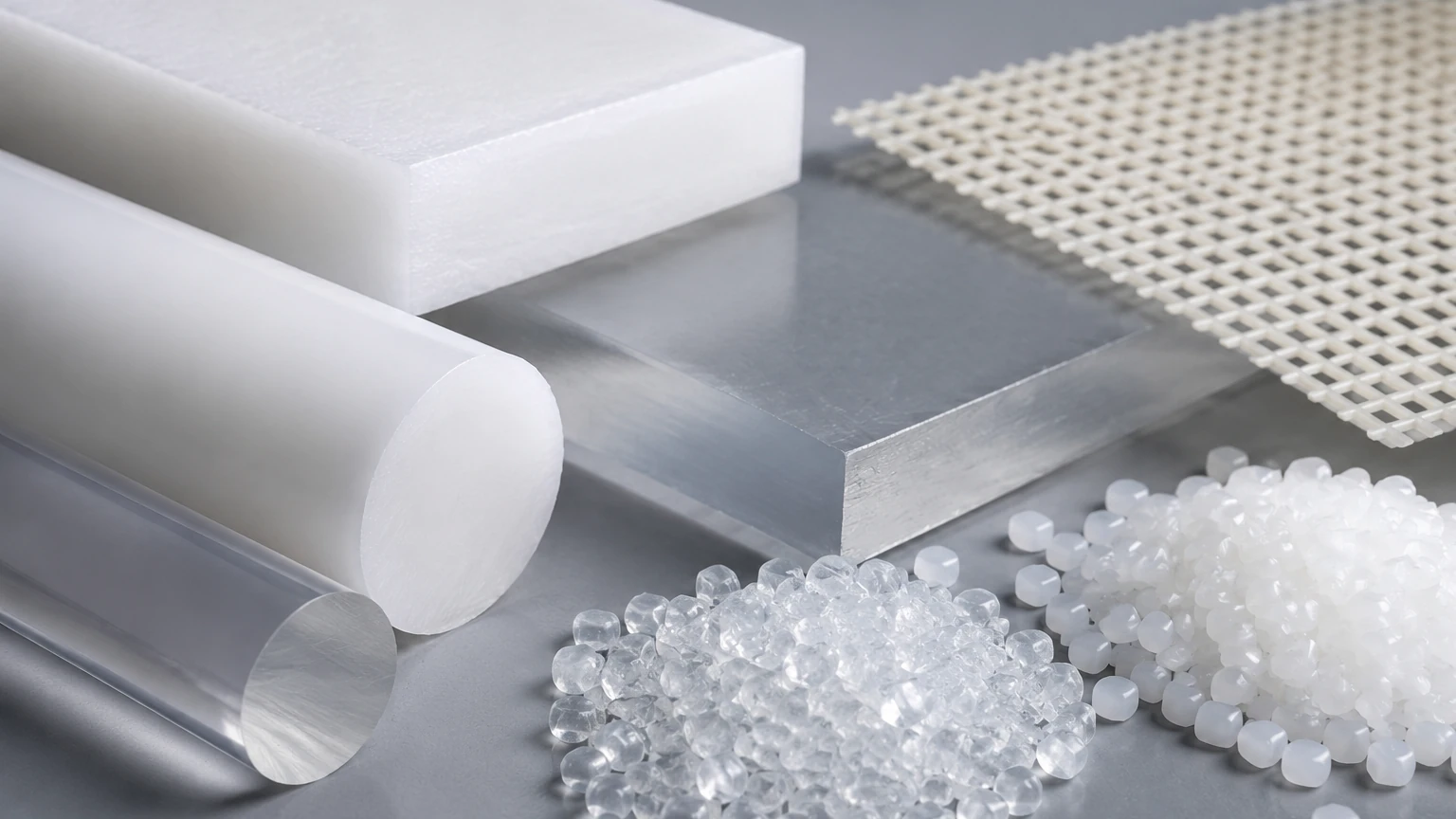
While solid plastics have microscopic permeability, many industrial applications specifically require engineered porosity. These materials, often referred to as "porous plastics," are manufactured to have interconnected pathways that allow fluids or gases to pass through while trapping particulate matter.
Sintered Polymers
Sintering is the most common method for creating porous plastic. In this process, polymer spheres (typically High-Density Polyethylene or Polypropylene) are heated until their surfaces soften and fuse together at contact points. This creates a robust, omni-directional porous structure. These materials are frequently used in pneumatic mufflers, venting, and low-pressure liquid filtration.
Expanded PTFE (ePTFE)
Polytetrafluoroethylene can be expanded to create a highly porous membrane. This material is famous for being hydrophobic—it allows air to pass through while blocking liquid water. This specific type of porosity is essential in medical devices and high-end venting applications. However, despite its chemical resistance, ePTFE lacks the structural rigidity required for high-pressure industrial filtration systems.
Comparing Plastic and Stainless Steel Porosity
When an engineer asks "is plastic porous," they are often weighing the pros and cons of plastic versus metal for a filtration or fluid handling component. While porous plastics offer low initial costs and lightweight properties, they often fall short in demanding industrial environments where stainless steel excels.
Structural Integrity and Pore Stability
One of the primary drawbacks of porous plastic is its susceptibility to deformation under pressure. As pressure drops across a filter increase, the pores in a plastic medium can compress or distend, leading to "pore migration" or the release of previously trapped contaminants. In contrast, stainless steel wire mesh and sintered metal filters maintain a rigid pore structure even under extreme hydraulic stress, ensuring consistent filtration accuracy.
Thermal and Chemical Resistance
Plastics are limited by their thermal ceiling. Even high-performance polymers like PEEK or PTFE have limits far below those of stainless steel. Furthermore, while certain plastics are chemically inert, many are prone to swelling or environmental stress cracking when exposed to industrial solvents. Stainless steel (304, 316L, or 904L) provides a predictable, non-porous surface that does not absorb process fluids, making it the preferred choice for high-purity applications.
Engineering Considerations: When Porosity Becomes a Risk
In B2B sectors such as pharmaceutical and food processing, the porosity of a material is a matter of regulatory compliance and safety. If a material is unintentionally porous or permeable, it can harbor microbial growth or retain residues from previous batches.
The Risk of Leaching and Absorption
Because many plastics are slightly porous at the molecular level, they can absorb flavor compounds, active pharmaceutical ingredients (APIs), or cleaning agents. This "carryover" is a significant risk in multi-product facilities. Stainless steel's non-porous, electropolished surface ensures that nothing is absorbed into the material, allowing for validated cleaning processes (CIP/SIP).
Biofilm Formation
In water treatment and food production, the surface texture of a porous material can encourage biofilm formation. Porous plastics, with their complex internal geometries, are notoriously difficult to sterilize. Engineers often find that switching to a precision-engineered stainless steel filter from a reputable manufacturer like Kaifil provides a more hygienic solution that can be repeatedly cleaned and reused without compromising the integrity of the pores.
Selection Criteria: Choosing the Right Filtration Media
When deciding if a porous plastic or a metal alternative is right for your application, consider the following engineering parameters:
1. Filtration Accuracy (Micron Rating)
Porous plastics are excellent for coarse filtration or depth filtration where high dirt-holding capacity is needed at low cost. However, for precision applications requiring a narrow pore size distribution, stainless steel wire mesh offers superior control. You can explore a wide range of precision options on the Main Page of specialized manufacturers to see how metal media can be tailored to specific micron requirements.
2. Operating Pressure and Differential Pressure
If your system operates at high pressures or experiences significant pressure spikes, plastic media may fail catastrophically or bypass contaminants. Stainless steel components are engineered to withstand high differential pressures without collapsing, making them essential for hydraulic systems and high-viscosity fluid processing.
3. Cleaning and Reusability
Porous plastic filters are almost always treated as consumables. Once they are blinded (clogged), they are discarded. In the context of sustainability and total cost of ownership, stainless steel filters offer a significant advantage. They can be cleaned via ultrasonic baths, backwashing, or chemical cleaning, allowing them to remain in service for years.
Total Cost of Ownership: Beyond the Initial Purchase
While the answer to "is plastic porous" might lead some to choose inexpensive plastic components for their initial builds, a B2B purchasing strategy should look at the long-term costs. The "porosity" of plastic often leads to more frequent replacements, higher risk of batch contamination, and increased waste disposal costs.
Maintenance Cycles
Stainless steel filtration solutions require a higher upfront investment but offer a lower total cost of ownership (TCO). Because they do not suffer from the structural degradation or absorption issues common in porous plastics, the maintenance cycles are more predictable. This reliability is crucial for 24/7 industrial operations where downtime can cost thousands of dollars per hour.
Customization and OEM Integration
For many engineers, a standard off-the-shelf porous plastic part is insufficient. Stainless steel allows for high levels of customization, including specific end-cap configurations, reinforced internal cores, and multi-layered mesh designs. Working with a dedicated manufacturer allows for the development of filtration components that are perfectly matched to the housing and the fluid dynamics of the specific system.
Conclusion: Navigating the Porosity Challenge
So, is plastic porous? Yes, in various ways—from the molecular permeability of solid polymers to the intentional voids in sintered media. However, for the industrial professional, the more important question is whether that porosity serves the application or undermines it.
In applications where hygiene, pressure resistance, and long-term durability are paramount, the inherent limitations of plastic porosity often make stainless steel the more technical and economically sound choice. By understanding the behavior of these materials under industrial stress, engineers can design systems that are more efficient, easier to maintain, and safer for the end-user.
For those seeking to optimize their filtration processes with high-performance, non-absorbent, and durable metal solutions, reviewing the technical capabilities of a specialized manufacturer is the next logical step. You can find comprehensive data on material selection and customized designs by visiting the Main Page of an industry leader in stainless steel filtration.
