


Spin on Lube Filter
In industrial machinery and high-performance hydraulic systems, the lubrication system serves as the lifeblood of the equipment. Maintaining the purity of lubricating oil is critical for preventing premature component wear, reducing downtime, and extending the service life of expensive assets. The spin on lube filter has become a standard component in these systems due to its ease of installation, compact design, and effective containment of contaminants.
For engineers and procurement professionals, selecting the right spin on lube filter involves more than simply matching thread sizes. It requires a deep understanding of filtration media, pressure dynamics, and environmental compatibility. As a specialized manufacturer of stainless steel filtration solutions, Kaifil provides the technical expertise necessary to navigate these complexities, ensuring that filtration components meet the rigorous demands of modern industrial applications.
The Engineering Design of Spin-on Lube Filters
A spin on lube filter is a self-contained filtration unit that houses the filter element within a protective metal canister. Unlike cartridge-style filters that require a permanent housing to be opened and cleaned, the spin-on design allows for the entire unit to be replaced quickly. This design is particularly advantageous in environments where maintenance speed is a priority or where the risk of external contamination during a filter change must be minimized.
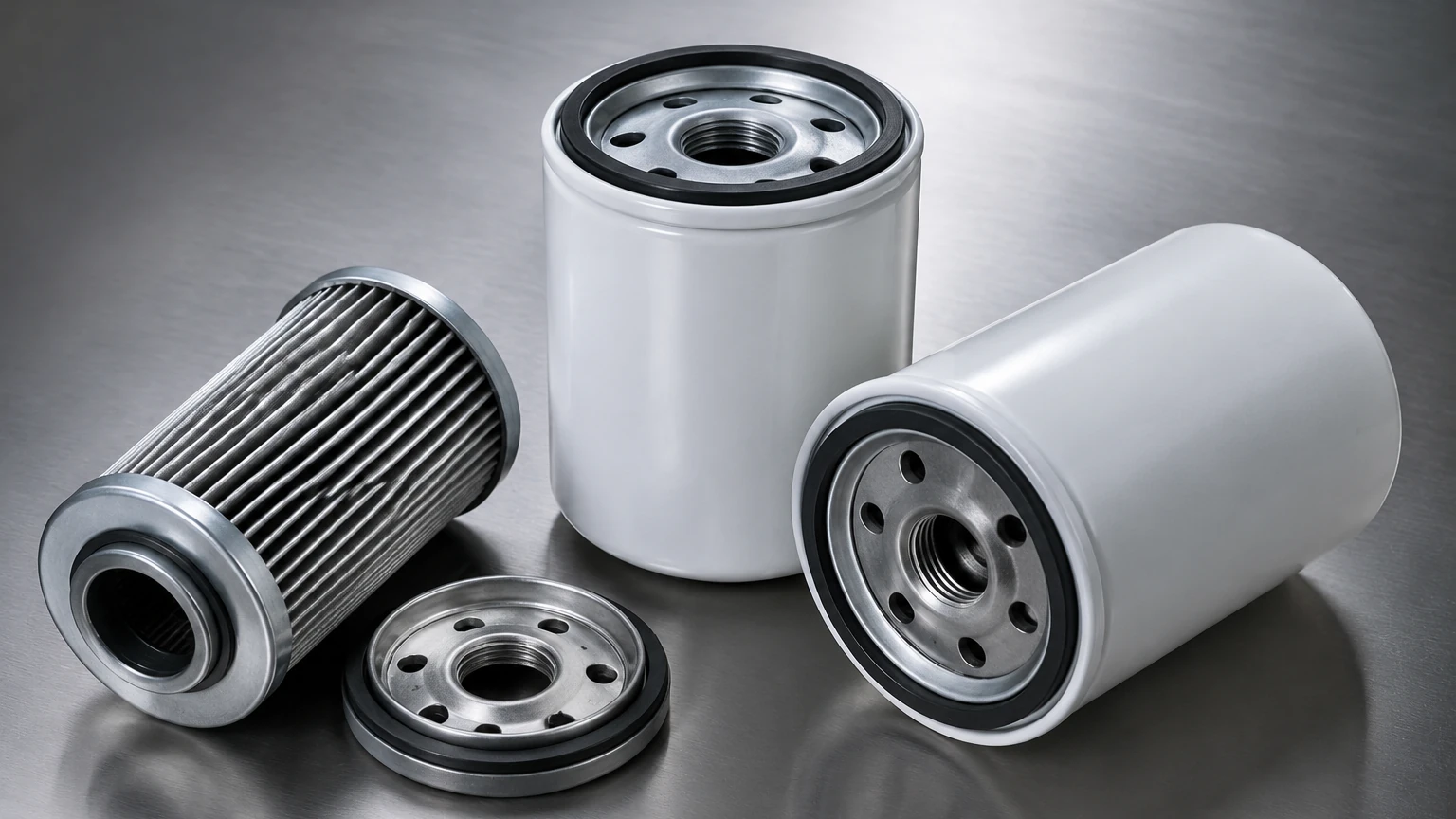
The typical construction of a spin on lube filter includes several key components:
* The Canister (Housing): Usually made of heavy-duty steel or aluminum, designed to withstand internal system pressures and external impacts.
* The Base Plate: A thick metal plate with a threaded center hole for mounting and a series of inlet holes around the perimeter. The precision of these threads is vital for a leak-proof seal.
* The Filter Media: The core component that performs the actual separation of contaminants from the oil. In industrial settings, this can range from synthetic fibers to stainless steel wire mesh.
* The Center Tube: A perforated tube that provides structural support to the filter media, preventing it from collapsing under high differential pressure.
* Sealing Gaskets: High-quality elastomers that ensure a tight seal between the filter base and the machine mounting head.
By integrating these components into a single disposable or cleanable unit, the spin on lube filter provides a streamlined solution for oil management.
Filtration Media and Material Selection
The performance of a spin on lube filter is primarily determined by its media. Choosing the correct material is essential for achieving the required cleanliness levels while maintaining system flow.
Cellulose and Synthetic Media
Traditional filters often utilize cellulose (paper) media, which is cost-effective but limited in terms of chemical resistance and structural integrity under high temperatures. Synthetic micro-glass media offers higher dirt-holding capacity and better efficiency, making it a common choice for hydraulic systems.
Stainless Steel Wire Mesh
In demanding industrial environments—such as chemical processing or high-temperature steam applications—standard media may fail. This is where custom stainless steel filtration solutions become necessary. Stainless steel wire mesh, a specialty at Main Page, provides exceptional durability. These filters are resistant to corrosion, can withstand extreme temperature fluctuations, and are often cleanable, which significantly reduces the total cost of ownership over the long term.
Micron Ratings and Efficiency
Engineers must distinguish between nominal and absolute micron ratings. A nominal rating indicates the filter's ability to capture a percentage of particles of a certain size, whereas an absolute rating (often defined by a Beta Ratio) indicates a much higher efficiency level. For critical lubrication systems, an absolute rating is typically required to ensure that even the smallest abrasive particles are removed before they reach precision bearings or gears.
Performance Criteria: Pressure and Flow Dynamics
When specifying a spin on lube filter, the relationship between flow rate and pressure drop (Delta P) is a primary engineering consideration. Every filter introduces some resistance to the flow of oil. If the resistance is too high, it can lead to energy inefficiency or, in extreme cases, oil starvation of the machinery.
Differential Pressure
As the filter captures contaminants, the resistance increases. Monitoring the differential pressure across the filter is the most reliable way to determine when a filter change is required. High-quality spin-on filters are designed with a high "collapse pressure" rating to ensure that the internal structure remains intact even as the media becomes loaded with debris.
Bypass Valves
Most spin on lube filters include an internal bypass valve. This valve is designed to open when the differential pressure exceeds a specific threshold—such as during a cold start when the oil is highly viscous, or when the filter is completely clogged. While a bypass valve prevents the filter from bursting and ensures the engine receives some lubrication, it also allows unfiltered oil to circulate. Therefore, selecting the correct bypass setting is a critical balance between protecting the filter and protecting the machine.
Anti-Drainback Valves
In many orientations, the oil can drain out of the filter when the machine is turned off. This leads to a "dry start" the next time the equipment is used, as the pump must refill the filter before oil reaches the critical components. An anti-drainback valve—usually a silicone or nitrile flap—keeps the filter full of oil, ensuring immediate lubrication upon startup.
Advantages of Custom Stainless Steel Spin-on Solutions
While mass-produced automotive-grade filters are available, industrial applications often require customized solutions that can handle specific chemical compositions or extreme physical stresses. Kaifil specializes in manufacturing precision metal filter components that offer several advantages over standard options.
1. Chemical Compatibility: Industrial lubricants and hydraulic fluids can contain additives that degrade standard rubber seals or cellulose media. Custom filters can be equipped with Viton or PTFE gaskets and stainless steel media to ensure compatibility with aggressive fluids.
2. High-Pressure Capability: Some industrial systems operate at pressures far exceeding the limits of standard spin-on canisters. Custom-engineered housings can be reinforced to handle these high-stress environments without the risk of bursting.
3. Tailored Filtration Accuracy: For specialized manufacturing processes, standard micron ratings may not be sufficient. Customizing the weave of the stainless steel mesh allows for precise control over the filtration threshold.
4. Sustainability and Reusability: In high-volume operations, the waste generated by disposable filters is significant. Stainless steel spin-on filters can often be ultrasonically cleaned and returned to service, aligning with corporate sustainability goals and reducing long-term procurement costs.
Applications Across Demanding Industries
The versatility of the spin on lube filter makes it indispensable across various sectors. Each industry presents unique challenges that dictate the filter's specifications.
* Chemical Processing: Filters must resist corrosive vapors and fluids. Stainless steel construction is often the only viable option to prevent material degradation and fluid contamination.
* Food and Beverage: Filtration components must meet strict hygiene standards. Using food-grade stainless steel and specialized sealing materials ensures that the lubrication system does not introduce contaminants into the production line.
* Hydraulic Systems: High-pressure hydraulic circuits require filters that can handle rapid flow fluctuations and high-frequency pressure pulses. Precision-engineered spin-on units provide the necessary structural integrity.
* Power Generation: Large turbines and engines require massive volumes of clean oil. In these settings, the reliability of the spin on lube filter directly impacts the stability of the power grid.
Maintenance and Replacement Cycles
A robust maintenance strategy is essential for maximizing the effectiveness of a spin on lube filter. Relying solely on a calendar-based replacement schedule (e.g., every six months) can be inefficient. Instead, engineers should adopt condition-based maintenance.
Oil Analysis
Regular oil analysis can reveal the types of contaminants present in the system, which may indicate specific component wear. If an oil analysis shows a high concentration of metallic particles, it may be necessary to switch to a filter with a finer micron rating or a higher Beta ratio.
Pressure Monitoring
Installing differential pressure gauges or sensors provides real-time data on the filter's status. This allows maintenance teams to replace the filter at the optimal moment—preventing the bypass valve from opening while also ensuring the filter is not replaced prematurely.
Proper Installation
One of the most common causes of filter failure is improper installation. Over-tightening can damage the gasket or the base plate threads, while under-tightening can lead to leaks. Professionals should always follow the manufacturer’s torque specifications and ensure the sealing surface is clean and lubricated before installation.
Selection Guide: What to Confirm Before Purchasing
Before finalizing a purchase order for a spin on lube filter, technical professionals should confirm several key parameters to ensure the product is fit for purpose. At Kaifil, we work closely with clients to verify these details during the design and manufacturing process:
* Thread Specification: Confirm the thread size and pitch (e.g., 1"-12 UNF or M24x1.5). An incorrect thread can lead to cross-threading and catastrophic system failure.
* Operating and Burst Pressure: Ensure the filter's rated operating pressure exceeds the maximum system pressure, including potential spikes.
* Fluid Compatibility: Verify that the media, housing, and gaskets are compatible with the specific type of oil or hydraulic fluid being used.
* Flow Rate Requirements: Check the pressure drop at the system's maximum flow rate and operating temperature (viscosity).
* Environmental Factors: Consider external conditions such as salt spray, extreme ambient heat, or heavy vibration, which may require specialized coatings or reinforced housings.
Conclusion
The spin on lube filter is a critical component in the protection of industrial machinery. While its outward appearance may seem simple, the engineering required to balance filtration efficiency, flow dynamics, and structural integrity is significant. For industries operating in demanding environments, off-the-shelf solutions often fall short.
By focusing on high-quality materials and precision manufacturing, Kaifil provides the industrial filtration solutions necessary to maintain system cleanliness and operational efficiency. Whether you require a standard replacement or a fully customized stainless steel filtration component, understanding the technical nuances of the spin on lube filter is the first step toward optimized performance and reduced total cost of ownership.
